
Why Do Children Have Low Immunity In Winter? How To Care For Them
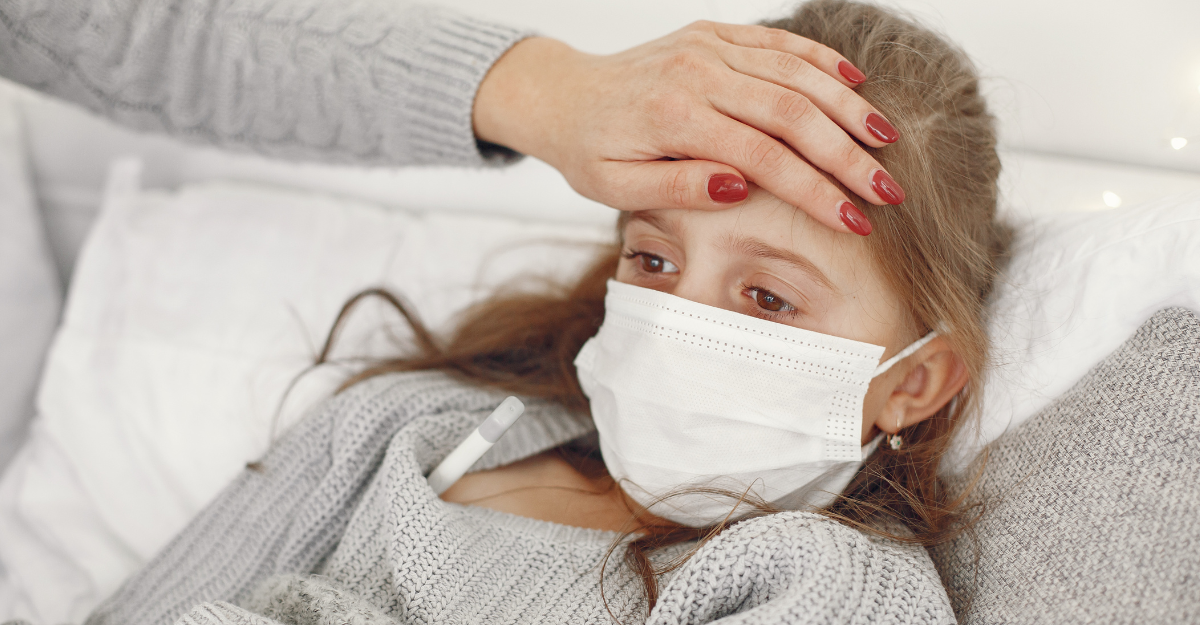
As the temperatures drop, many parents find their children caught up in an unending cycle of sniffles, coughs, and fevers. It, quite rightfully so, appears that children's immunity might be weaker in winters. However, winter does not actually 'weaken' immunity, but rather it often creates a perfect storm of environmental and physiological factors that make children particularly vulnerable to infections, experts say.
Here is a breakdown of reasons why children's immunity seems lower in winter and some essential steps parents can take to protect them, according to Dr P Venkata Krishnan, Senior Consultant, Internal Medicine, Artemis Hospitals, Gurugram, Dr Shreya Dubey, Associate Director of Paediatrics & Neonatology, CK Birla Hospital, Gurugram and Dr Shradha Joshi, Senior Consultant Paediatrics, Fortis Vasant Kunj.
Why Children Are More Vulnerable in Winter
The vulnerability to illness in winter is increased, and the causes for this are mainly seasonal and environmental.
Cold and dry air helps viruses thrive: According to Dr Shreya Dubey, because of the low humidity in winters, viruses such as influenza, RSV, rhinovirus, and adenovirus remain in the air for longer periods of time and are transmitted at an increased rate. Moreover, cold and dry air dries up the nasal lining, making the body's mucosal barrier too weak for germs not to breach. Dr P Venkata Krishnan corroborates that when this happens, noses and throats lose their moisture, leading to failure in their essential functions of trapping and removing pathogens.
Indoor Crowding & Close Contact: Children do spend a lot of time indoors in closed rooms, classrooms, and daycares, usually sharing heaters with each other in small, poorly ventilated areas. According to Dr Shradha Joshi, this very indoor crowding increases the spread of germs. That means one sick child can infect many more than in summer.
Reduced Sunlight Affects Vitamin D: Vitamin D is very important for good, strong immune functioning. Shorter daylight hours mean less outdoor playing and heavier clothing, reducing sun exposure and resulting in reduced levels of Vitamin D. According to Dr. Dubey, this reduction can affect the efficiency of the body's natural defense mechanism.
Immune Memory is Slower in Younger Children: Infants and toddlers, typically below 5 or 6 years, have a developing immune memory. According to Dr. Dubey, with every new exposure, it is like a 'first exposure' to their system, making frequent colds and illnesses a normal feature of their learning curve for the immune system.
Temperature fluctuations stress the body. Moving all too frequently in and out of warm heated rooms into cold outdoors and hot showers creates sudden temperature fluctuations that can precipitate congestion and make the respiratory system more susceptible to settling viruses.
Don't miss: 7 Best Winter Superfoods To Boost Immunity This Season
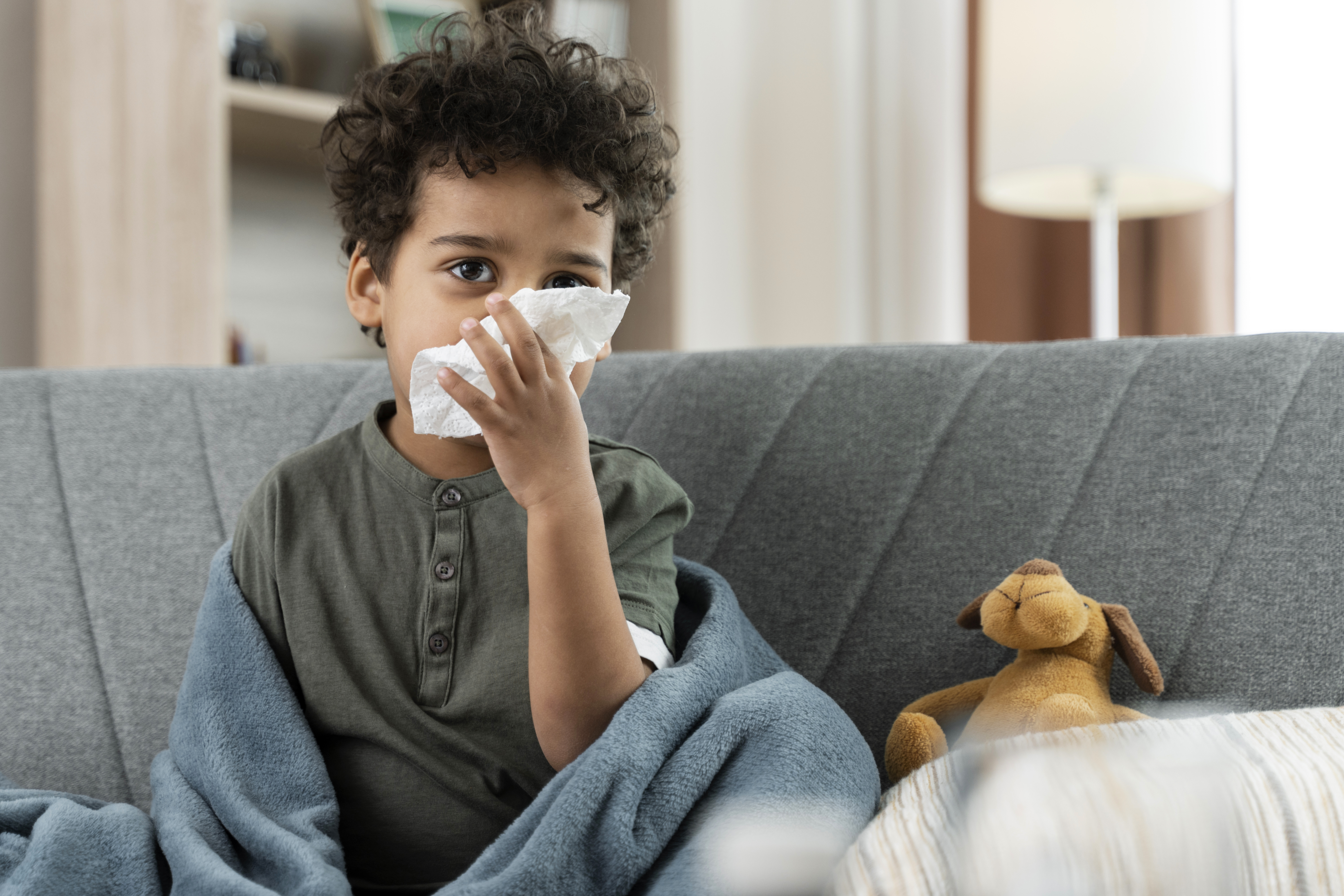
How to take care of and enhance immunity during winter
To reinforce a child's natural defenses and prevent illnesses, paediatricians recommend the development of basic habits:
1. Prioritise Nutrition and Hydration
Warm, nutritious meals: Provide warm, home-cooked meals that enhance metabolism and gut immunity. Seasonal fruits include orange, amla, and guava, along with vegetables such as carrot and beetroot, while ghee, nuts, eggs, and lentils constitute the healthy fats, Dr Dubey lists.
Healthy Gut: Include probiotics like curd, buttermilk, and yoghurt, as they maintain gut flora good bacteria, which form a very important component of immunity.
Adequate Hydration: One often forgets hydration in cold weather, but this is a must to keep the protective mucus membranes moist. Recommend warm water, soups, coconut water, and fruits to avoid dehydration.
2. Address Vitamin D and Sleep
Sun Exposure & Supplements: Encourage short bursts of outdoor play on sunny days to get some natural sun. If Vitamin D levels are known to be low or the child has recurrent infections, supplements may be advised by a pediatrician for the winter months.
Quality Sleep: Adequate sleep is one of the most effective immune boosters. Preschoolers need 10–13 hours and school-aged children need 9–11 hours. Interruptions for late evenings or screen time weaken the immune response.
3. Control the Environment
Ventilation and Humidity: Cross-ventilation for 15–20 minutes a day helps clear indoor air and reduces germ load. A humidifier is useful in dry climates to keep humidity at 40–60% to avoid drying the nasal passages.
Correct layering: Dress children in three breathable layers - inner cotton, middle warm layer, outer windproof layer. Avoid over-dressing, as children can quickly get overheated with resultant sweating, leading to rapid cooling and illness.
4. Maintain Hygiene
Hand Hygiene: Frequent hand washing is the most effective way to prevent the spread of most winter infections, mainly because most such infections are spread via hands, not cold air. It is important to wash one's hands before eating and after coming home.
Don't miss: 5 Tips To Combat Eczema in Infants/Babies During Winters, As Per Pediatrician
What Parents Should Keep in Mind
Frequent Infections are Normal: As Dr Dubey points out, toddlers may catch 8–12 colds a year. This is a sign that their immune system is learning, not that it is fundamentally weak. Don’t panic over every sniffle.
Vaccination matters: annual flu shots and other vaccines appropriate for age (such as pneumococcal vaccines and COVID boosters) significantly reduce the risk and severity of winter complications.
Avoid Misuse of Antibiotics: Most illnesses during winter are viral and self-limiting. Unnecessarily rushing to antibiotics disturbs the gut microbiome, which may actually reduce long-term immunity.
Heater Safety: While using room heaters, avoid hot air coming directly to the child, maintain humidity, and ensure ventilation to avoid dryness and lessen risks of suffocation.
Know the warning signs: If the child experiences severe symptoms, including difficulty breathing or noisy breathing, ongoing high fever, poor feeding, dehydration, bluish lips, crankiness, or fever that lasts more than three days, seek medical help.
Image courtesy: Freepik
For more such stories, stay tuned to HerZindagi.
Our aim is to provide accurate, safe and expert verified information through our articles and social media handles. The remedies, advice and tips mentioned here are for general information only. Please consult your expert before trying any kind of health, beauty, life hacks or astrology related tips. For any feedback or complaint, contact us at compliant_gro@jagrannewmedia.com.