
Why Does Skin Darken During Winter? How To Treat Pigmentation And Dullness
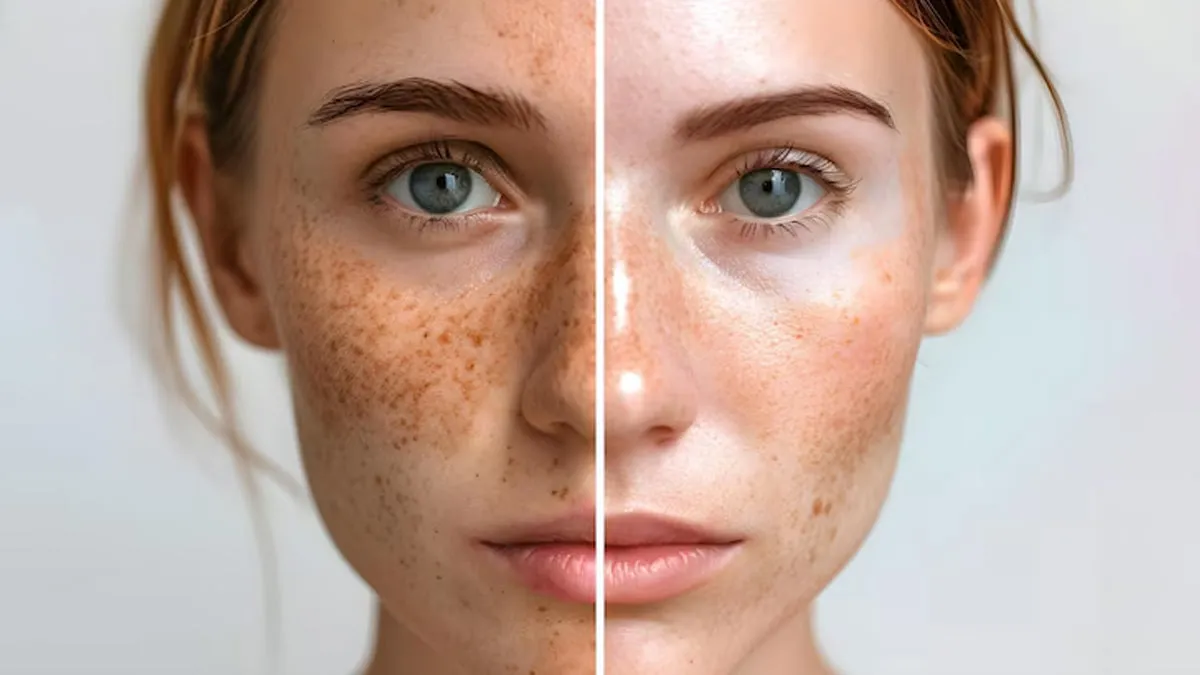
With the temperature starting to drop, you should pay extra attention to your skin because of the unforgiving weather. Your skin may be darker in winter due to factors such as dry air and low temperatures that weaken the skin barrier and cause inflammation, leading to post-inflammatory hyperpigmentation. To prevent this, here is a guide to help one take care of their skin in these cold months.
Why Does The Skin Darken During Winter?
Here are the causes of skin darkening during winter:
Weakened skin barrier: Cold, dry air compromises your skin's protective barrier, making it more vulnerable to irritation and damage.
Inflammation: Cold and dry air may irritate and result in inflammation, which protects itself by producing more melanin and resulting in dark spotting, also called post-inflammatory hyperpigmentation.
Slower cell turnover: During winter, your skin might also shed dead skin cells more slowly, and the accumulation of such dead skin cells on the surface can give your skin a dull, uneven, and dark appearance.
Sun exposure can be obtained even though the sun is weaker in winter; the UV rays may still cause pigmentation. On cloudy days or reflecting off snow, it is also possible to get sun exposure.
Dryness and irritation can mean itchiness of the skin, promoting scratching that further causes irritation. This could worsen any existing hyperpigmentation problems or even result in new ones.
Skin conditions: Preexisting conditions, such as acne, psoriasis, or eczema, that tend to get worse during winter might flare up and then leave behind darker blemishes.
Don't miss: How To Pollution-Proof Your Skin For Winter Season
-1764843614307.jpg)
How to Treat Winter Pigmentation and Dullness Effectively
Here's what you can do:
Keep moisturising: Use a good moisturiser to hydrate skin and maintain the integrity of the skin barrier, protecting against dryness.
Use sunscreen: Apply sunscreen in the winter and summer to protect against UV damage and hyperpigmentation.
Protect your skin: Wear hats and scarves to protect your face from cold, dry air and the sun.
Avoid scratching: Scratching on the dry patches will lead to irritation and post-inflammatory hyperpigmentation.
Consider professional treatments: If the problem persists, speak to a dermatologist about possible treatments involving chemical peels or laser therapy.
When To See A Dermatologist
You will need to consult a doctor regarding winter skin darkening if it fails to fade with home care, shows multiple colours, or does not yield to treatment. It could be accompanied by severe itching, redness, swelling, or pus discharge. A dermatologist will correctly identify the cause and professional treatments, from topical creams to chemical peels.
If this darkening persists, despite your best effort at home care and gentle products, it is time for a professional assessment.
Best Ingredients To Reduce Pigmentation During Winters
Topical exfoliants like AHAs (Glycolic Acid) and retinoids (like retinol) are powerful ingredients for reducing pigmentation in winter. They work by increasing cell turnover, thereby fading dark spots. Other active brightening and antioxidant properties include Vitamin C; Niacinamide (Vitamin B3) to reduce melanin transfer; and natural ingredients like liquorice root extract and papaya.
Don't miss: 7 Best Facials For Hyperpigmentation To Restore Your Skin’s Radiance

Image courtesy: Freepik
For more such stories, stay tuned to HerZindagi.
Our aim is to provide accurate, safe and expert verified information through our articles and social media handles. The remedies, advice and tips mentioned here are for general information only. Please consult your expert before trying any kind of health, beauty, life hacks or astrology related tips. For any feedback or complaint, contact us at compliant_gro@jagrannewmedia.com.