
Gen Z Health Guide 2026: Important Medical Tests and Health Check-Ups Young Adults Should Get
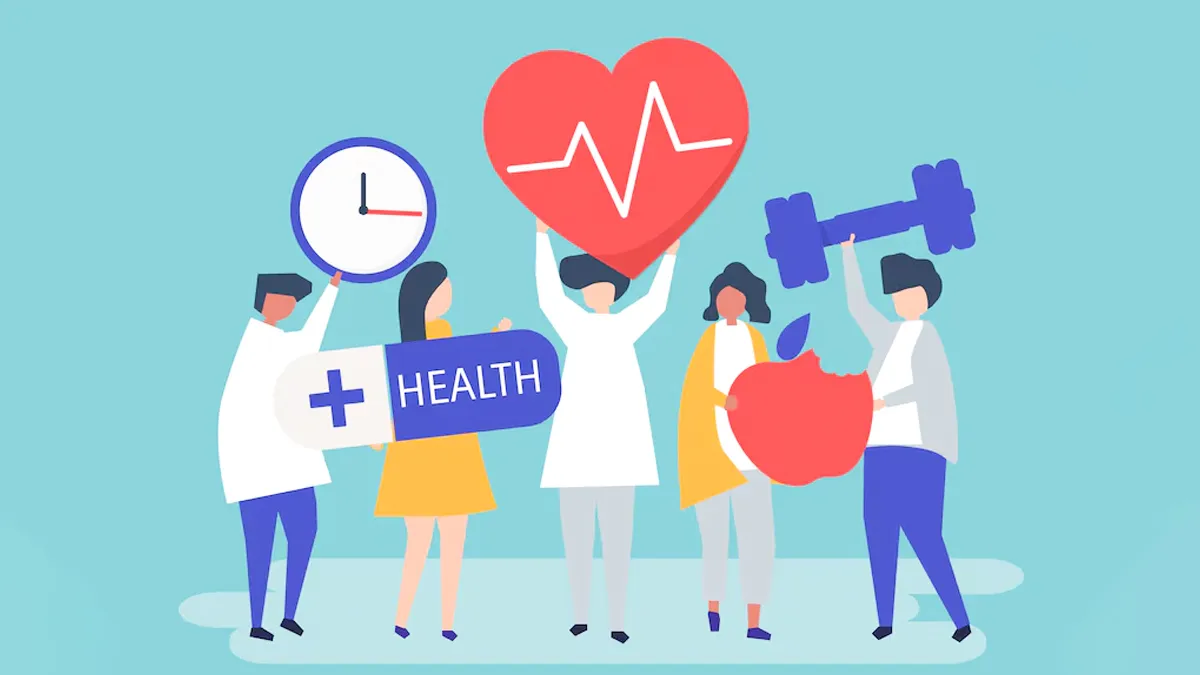
In 2026, health is no longer just about reacting to illness; it is about staying one step ahead. For Gen Z, adulthood has arrived alongside long screen hours, disrupted sleep cycles, processed diets and constant digital pressure. Preventive healthcare, once associated with older age groups, is now a necessity much earlier in life.
According to Dr Pratima Thamke, Consultant Obstetrician and Gynaecologist, Motherhood Hospital, Kharghar, Mumbai, early and regular health check-ups can help young adults protect both their present well-being and long-term quality of life. “Small, routine tests done on time can prevent bigger health concerns later,” she explains.
Why Preventive Health Matters for Gen Z
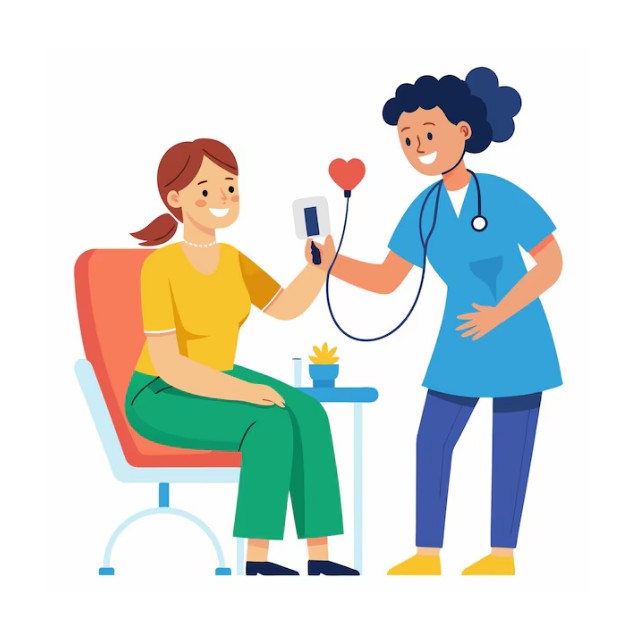
Young adults today juggle careers, studies, social media and side hustles, often at the cost of basic health habits. Skipped meals, lack of exercise and chronic stress can quietly trigger metabolic, hormonal and mental health issues. Regular screenings help identify early warning signs and allow lifestyle corrections before problems become serious.
General Health Check-Ups for Gen Z
Every Gen Z adult should begin with basic wellness tests that give a snapshot of overall health. These include BMI and waist circumference to assess metabolic risk, blood pressure to detect early hypertension, and fasting blood sugar to screen for prediabetes. Vitamin D and B12 tests are especially important, as deficiencies are increasingly common due to indoor lifestyles and poor dietary balance.

Mental Health Screening For Gen Z
Mental well-being is just as important as physical health. Academic pressure, workplace stress and constant comparison on social media have led to rising anxiety and burnout among young adults. Periodic mental health assessments, counselling when required and daily self-care practices can help prevent long-term depression and emotional exhaustion.
Gender-Specific Health Check-Ups For Gen Z
For women
Dr Thamke advises regular thyroid function tests, particularly for those experiencing fatigue, hair fall or irregular periods. PCOS screening is crucial for women dealing with acne, weight gain or disrupted menstrual cycles. Anaemia checks should not be overlooked, as low iron levels can affect immunity, energy and concentration.
For men
Young men are increasingly reporting hormonal imbalances linked to stress and sedentary habits. Testosterone level testing can help identify underlying concerns early. A basic sperm health test may also be useful for future family planning and understanding reproductive health.
Don't Miss: Can Sex Toys Cause Infections? Gynaecologist Explains Risks, Hygiene and Safety Tips
Early Fertility Awareness
Fertility health is not just a future concern. AMH testing for women provides insight into ovarian reserve, while semen analysis for men helps assess reproductive potential. Alongside testing, maintaining a healthy weight, eating balanced meals, avoiding smoking or vaping and tracking menstrual cycles can support long-term fertility.

Preventive healthcare does not require extreme measures. Simple check-ups, honest conversations with doctors and mindful daily habits can make a lasting difference. As Dr Thamke emphasises, investing in health in your twenties is one of the smartest decisions you can make for your thirties and beyond.
In 2026, Gen Z has the opportunity to redefine healthcare, not as a reaction to illness, but as a proactive, empowering choice.
Don't Miss: Is Pain During Sex Normal for Women? Gynaecologist Explains Causes and Solutions
Keep reading Herzindagi for more such stories.
Image Courtesy: Freepik
Our aim is to provide accurate, safe and expert verified information through our articles and social media handles. The remedies, advice and tips mentioned here are for general information only. Please consult your expert before trying any kind of health, beauty, life hacks or astrology related tips. For any feedback or complaint, contact us at compliant_gro@jagrannewmedia.com.