

Gen Z’s Self-Labelling Trend: In the last few years, a new pattern has emerged among Gen Z, using mental-health terms to describe everyday emotions. Feeling stressed after a long week becomes ‘burnout’, a sad evening is called ‘depression’, and a moment of nervousness is labelled ‘anxiety’. While the intention often comes from a place of emotional honesty and openness, experts are beginning to question whether normal human feelings are being mistaken for clinical disorders. To understand this trend better, we connected with Nishtha Khurana Counselling Psychologist at Lissun, Mental Health Startup, who shared her insights on why self-labelling is rising and how it may be impacting young people.
Gen Z has grown up in a world where talking about emotions is normal, encouraged and even celebrated. Nishtha Khurana says, “Although this transparency signifies significant advancement, it also brings up an unsettling question: Are typical human feelings more often being classified as mental health conditions? A generation that discusses emotions quite frequently: this generation has been raised in an environment where expressing emotions is no longer considered shameful.”
Social media has also shifted the culture, therapy terms such as ‘triggered’, ‘burnt out’ or ‘emotionally drained’ have become part of everyday language. While this reflects a positive step towards emotional awareness, it also makes it easier for normal feelings to be mistaken for clinical issues.
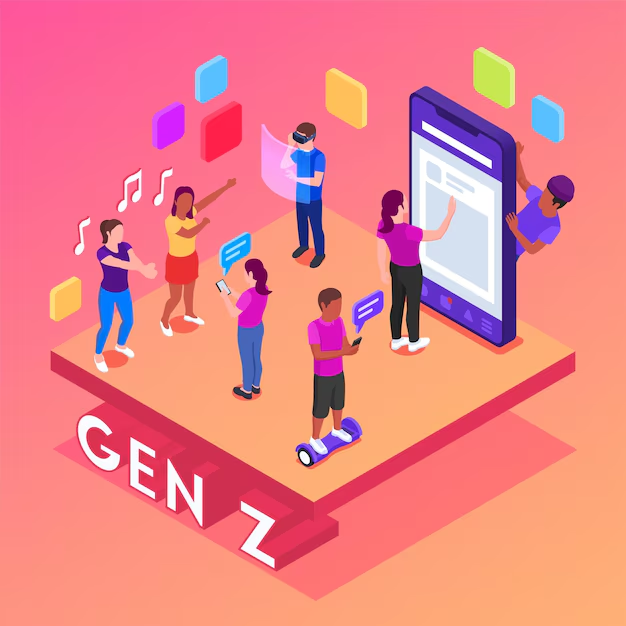
Platforms like Reddit, Instagram Reels and online forums often present mental-health content in short, relatable snippets. Nishtha Khurana highlights, “Therapeutic jargon has entered the mainstream, mental health topics are prevalent on social media, and psychological terminology has become part of everyday conversation. This change in culture has been a landmark moment for the mental health field. For years, mental health issues were overlooked, ignored, or mocked. Nonetheless, a rising trend is observed where routine emotional experiences are labelled using psychological terminology.”
A content creator describing their ADHD symptoms or anxiety habits may unintentionally make viewers think, “This sounds exactly like me.” Because these videos rarely explain clinical criteria or professional evaluations, many young people end up adopting labels based only on relatable content. This constant exposure blurs the line between genuine mental-health symptoms and everyday emotions we all experience.
Feeling low after an argument, stressed before exams or irritated on a bad day are all completely natural. When normal emotions get labelled as disorders again and again, it can weaken a person’s emotional strength. Young people may start thinking that any discomfort is unusual or that something is wrong with them, even when what they are feeling is completely normal. This also makes it harder to recognise real mental-health conditions, because serious issues may get ignored or mixed up with everyday stress.
This doesn’t mean emotional pain should be brushed aside. It just means that not every tough feeling is an illness. Sometimes all a person needs is support, understanding, or time, not a diagnosis.
Don't miss: As A Gen Z, I’m Done Being Everyone’s Punching Bag
Mental-health experts warn that casual self-diagnosis can lead to confusion, unnecessary worry and even delayed treatment. A person who believes they “have anxiety” based only on an online video may ignore deeper issues or avoid professional help altogether. Others may restrict themselves with a label they don’t fully understand. As Nishtha Khurana (Counselling Psychologist, Lissun) explains, labels should be used carefully and only after proper assessment. When misused, they can shape how young people view themselves, sometimes in limiting or unhealthy ways.
Don't miss: Gen Z VS Millennial Dating: Generational Shifts In Love And Connection
Awareness is good as it helps people identify when they need support. But the key is to balance self-awareness with professional guidance. Young people can start by recognising that emotions come in waves, and not every down moment signals a disorder. It helps to reflect on the duration, intensity and impact of feelings: are they temporary, or affecting daily life? If emotions feel overwhelming for weeks, seeking help from a counsellor or psychologist can be a good option for you. Instead of embracing labels too quickly, the focus should be on understanding oneself with clarity and care.
Gen Z’s self-labelling trend shows a desire to understand emotions, but it also blurs the line between everyday feelings and real disorders. Recognising the difference can help young people express themselves better and build healthier emotional habits.
For more such stories, stay tuned to HerZindagi.
Image credit: Freepik
Also watch this video
Herzindagi video
Our aim is to provide accurate, safe and expert verified information through our articles and social media handles. The remedies, advice and tips mentioned here are for general information only. Please consult your expert before trying any kind of health, beauty, life hacks or astrology related tips. For any feedback or complaint, contact us at compliant_gro@jagrannewmedia.com.