
Can Sex Toys Cause Infections? Gynaecologist Explains Risks, Hygiene and Safety Tips
Sex toys are increasingly seen as part of mainstream sexual wellness, helping people explore pleasure safely and confidently. However, many users remain unaware that improper use or poor hygiene can increase the risk of intimate infections. According to experts, the toys themselves are not the problem, how they are used, cleaned and stored makes all the difference.
Speaking to us, Dr Manvi Verma, Consultant – Cosmetic Gynaecologist and Female Sexologist at Motherhood Hospital, Kharghar, explains that intimate areas are highly sensitive and even minor lapses in hygiene can disrupt their natural balance.
Can Sex Toys Cause Infections?
“Sex toys can cause infections if they are not cleaned or used properly,” says Dr Verma. “These devices often come into contact with bodily fluids, and if bacteria or yeast are allowed to remain on their surface, they can easily multiply.”
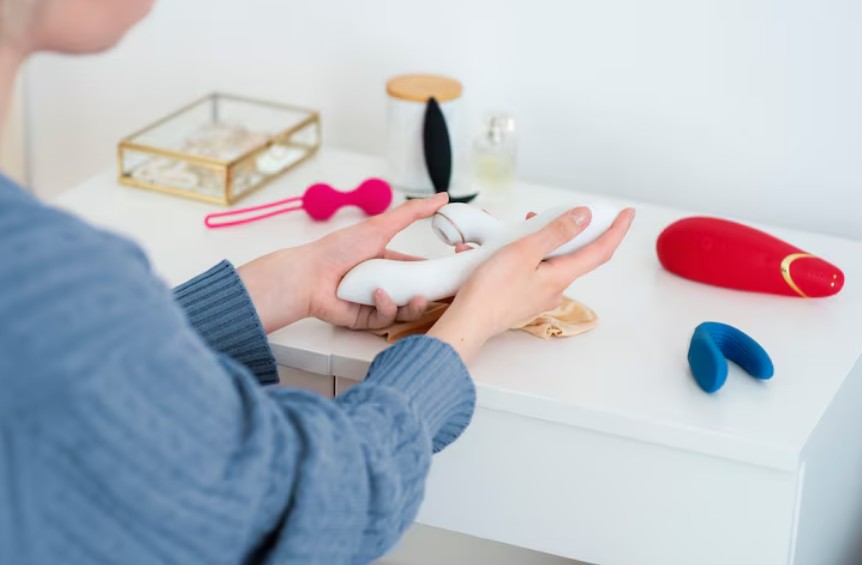
Using an unwashed toy may increase the risk of:
- Vaginal infections and yeast infections
- Urinary tract infections (UTIs)
- Skin irritation or allergic reactions
Dr Verma adds that sharing sex toys without protection can further heighten the risk of sexually transmitted infections (STIs) such as chlamydia, gonorrhoea and syphilis, especially if the toy is not cleaned thoroughly between uses.
Not all sex toys are created equal. Porous materials can trap bacteria more easily, making them harder to clean effectively. Dr Verma advises opting for body-safe, non-porous materials such as medical-grade silicone, glass or stainless steel.
1
2
3
4
Lubricants also play a role. “Using the wrong type of lubricant can cause irritation or micro-tears in the skin, which makes it easier for infections to set in,” she explains. Water-based lubricants are generally the safest option, particularly for people with sensitive skin.
Don't Miss: How Excessive Adult Content Consumption Can Damage Intimacy and Relationships
Sex-Toys Hygiene Mistakes to Avoid
Many infections occur due to simple oversights. According to Dr Verma, common mistakes include:
- Not washing toys before and after use
- Storing them while damp
- Using the same toy for different body areas without cleaning
- Sharing toys without a condom or proper sterilisation
Even something as small as putting a toy away without drying it properly can allow bacteria or mould to grow over time.
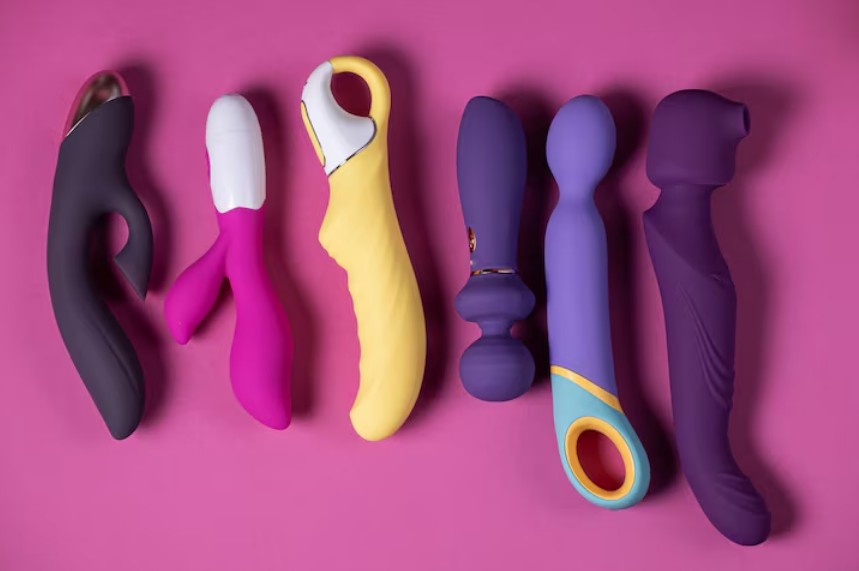
Safety Tips to Protect Sex-Toys
Dr Verma recommends a few foolproof steps to stay safe:
- Wash sex toys thoroughly with warm water and a mild, unscented cleanser
- Dry them completely before storage
- Store each toy separately in a clean, dry pouch
- Avoid sharing toys, or use condoms if sharing cannot be avoided
- Stop using the toy immediately if you notice irritation, unusual discharge or discomfort
Sex toys, when used responsibly, are generally safe and can be a healthy part of sexual wellbeing. “Awareness and hygiene are key,” says Dr Verma. “A little care goes a long way in preventing infections and protecting intimate health.”
If symptoms persist despite proper care, consult a gynaecologist promptly rather than self-medicating.
Don't Miss: Vaginal Dryness: Symptoms, Causes, And Remedies By Expert
Keep reading Herzindagi for more such stories.
Image Courtesy: Freepik
Also watch this video
Herzindagi video
1
2
3
4