Indore Water Contamination: Drinking Water Safety Tips and Expert Advice to Protect Your Health
Indore’s reputation as one of India’s cleanest cities took a severe hit in late December 2025, when residents of Bhagirathpura began falling ill after consuming municipal drinking water. What started as complaints about foul-smelling, bitter-tasting and discoloured tap water soon turned into a serious public health emergency.
Within days, hospitals across Indore reported a surge in patients suffering from vomiting, diarrhoea, dehydration and high fever. By early January 2026, at least nine deaths had been officially linked to the outbreak, while more than 200 people required hospitalisation. For a densely populated neighbourhood with limited alternatives to municipal supply, the crisis exposed how vulnerable communities can be when basic infrastructure fails.
#WATCH | Indore, Madhya Pradesh: On the contaminated water incident, resident Purnima Kaushal says, "The drainage problem is so severe that if the sewer gets clogged, the entire area gets flooded with sewage. The whole gutter line behind the houses is overflowing. The smell is so… pic.twitter.com/8cnXgKxA63
— ANI (@ANI) January 2, 2026
What Went Wrong with Indore’s Drinking Water?
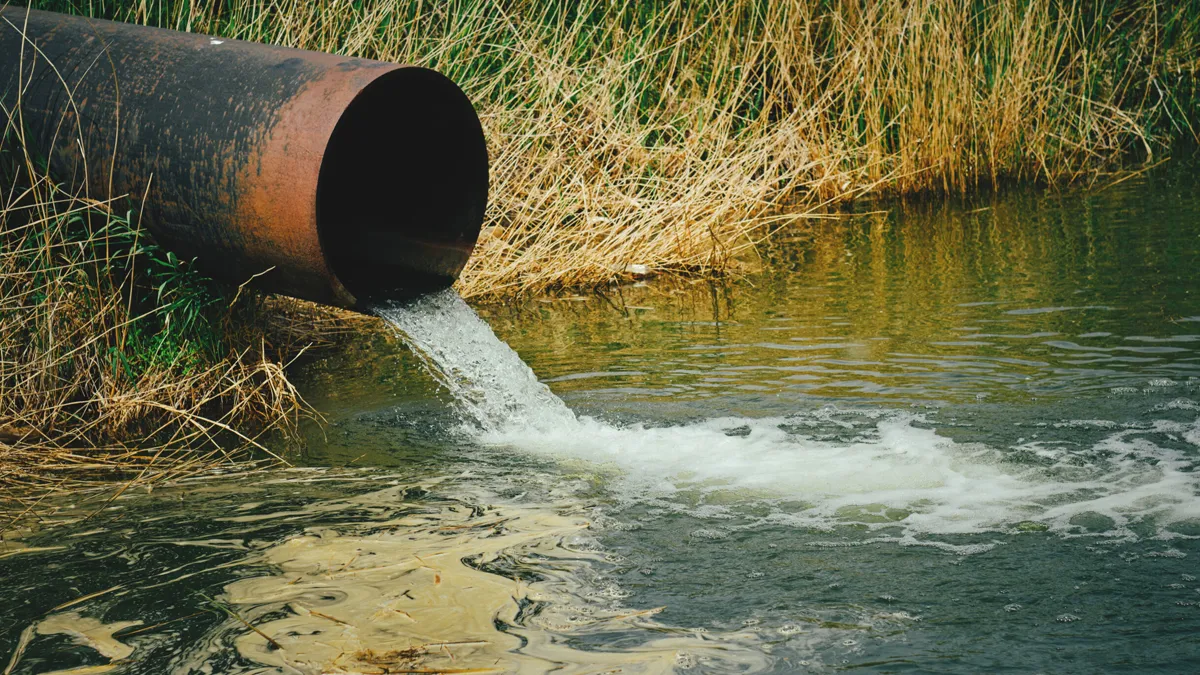
Initial investigations pointed towards sewage contamination caused by damaged or poorly maintained pipelines. Residents had flagged water quality issues days before the outbreak peaked, but the delayed response allowed the contamination to spread.
Globally, unsafe drinking water remains a major health risk. The World Health Organisation has repeatedly warned that contaminated water can transmit infections such as cholera, typhoid, dysentery and bacterial gastroenteritis. In Indore’s case, laboratory tests later confirmed bacterial presence in the water supply, validating fears raised by locals.
ALSO READ- 5 Secret Backwater Villages In Kerala You Haven’t Heard About
1
2
3
4
Timeline of the Indore Water Outbreak
- Mid-December 2025: Bhagirathpura residents notice changes in water colour and smell and lodge complaints.
- December 25: Despite a bitter taste, water continues to be used due to lack of alternatives.
- December 27–28: The first cases of gastrointestinal illness are reported at clinics.
- December 29–30: Hospital admissions rise sharply; deaths linked to diarrhoea are confirmed.
- December 31: Officials announce compensation for affected families and suspend staff for negligence.
- January 1–2, 2026: Bacterial contamination is confirmed; pipelines are isolated and cleaned, and residents are advised not to use tap water.
#WATCH | Indore | Bhagirathpura locals express their grievances over water supply in their locality to Madhya Pradesh Minister Kailash Vijayvargiya
— ANI (@ANI) January 1, 2026
A local says, "No one is paying any attention to the drainage line, which is being attached to the drinking water supply. We have… pic.twitter.com/OTuWHWhwhe
How to Protect Yourself from Contaminated Drinking Water
Dr Aarti Ullal, Physician and Diabetologist at Gleneagles Hospital Parel, stresses that personal precautions are crucial during such outbreaks.
“Contaminated water can carry harmful bacteria and viruses that cause diarrhoea, cholera, typhoid, hepatitis A and other gastrointestinal infections. Prevention at the household level can significantly reduce risk,” she explains.
Follow these essential drinking water safety tips:
- Boil water thoroughly: Boil drinking water for at least 15 minutes to kill most germs and bacteria. If boiling is not possible, use certified water purifiers as advised by health experts.
- Avoid unsafe sources: Do not drink water from roadside vendors or unknown, untreated sources. Carry your own water bottle when stepping out.
- Store water safely: Keep drinking water in clean, covered containers. Regularly check for changes in colour, smell or taste.
- Separate usage: Always use separate water for drinking and household cleaning purposes.
- Maintain hygiene: Wash hands frequently, especially before meals, to prevent infection.
The Indore water contamination episode is a stark reminder that even well-ranked cities are not immune to infrastructure failures. While authorities work on long-term fixes, individual awareness and preventive habits remain the first line of defence.
Safe water is not just a civic responsibility, it is a daily health priority. Staying informed and cautious can save lives.
ALSO READ- 5 Herbal Kadha and Hot Winter Drinks: Natural Remedies to Keep You Warm
Keep reading Herzindagi for more such stories.
Image Courtesy: Freepik
Also watch this video
Herzindagi video
1
2
3
4