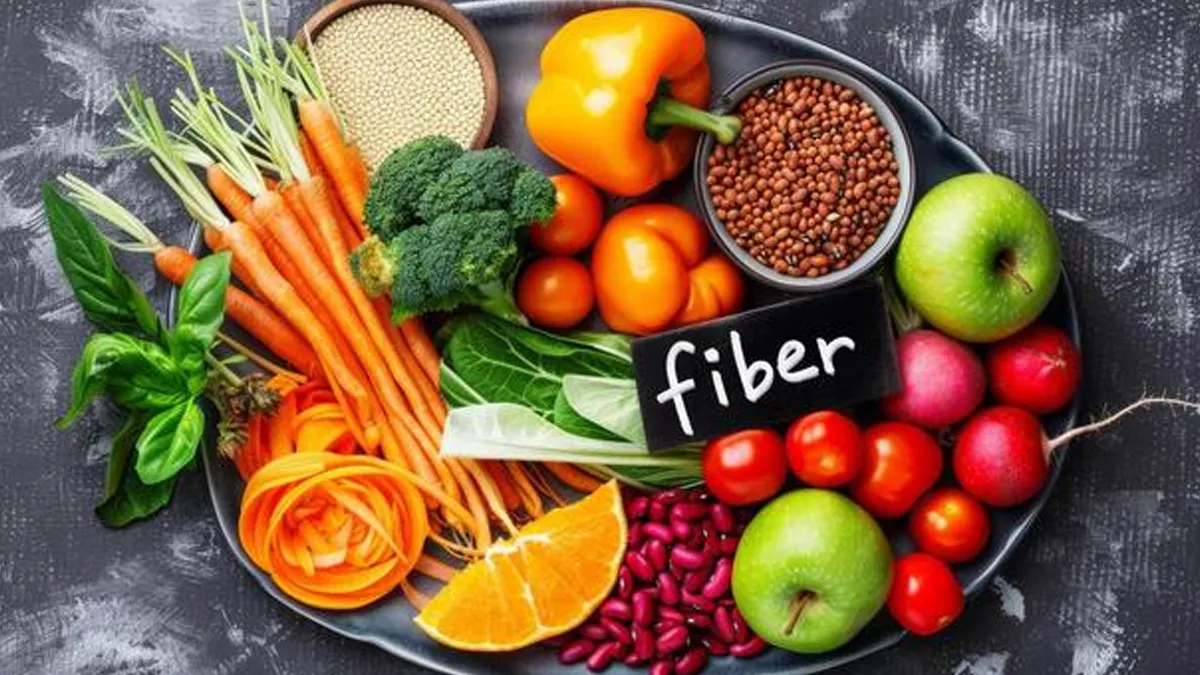
7 Fibre-Rich Food Items That Do Not Cause Bloating
Fibre is often hailed as the unsung hero of nutrition, essential for digestion, heart health and long-term wellbeing. Yet for many people, suddenly upping fibre intake leads to an unwelcome side effect: bloating. The culprit is usually rapid fermentation in the gut or inadequate hydration. Fortunately, not all fibre sources behave the same way, and there are plenty of options that nourish your system without leaving you uncomfortably full.
According to UK-based surgeon and health educator Dr Rajan, the key lies in choosing fibre sources that are easier to digest, especially those categorised as low-FODMAP. These foods generate less gas and draw less water into the gut, making them gentler for sensitive stomachs. He also suggests varying your fibre sources, noting that “getting your fibre from a wide range of colours and food groups is as important as the total number of grams you consume.”
Fibre-Rich Food Items That Do Not Cause Bloating
If bloating tends to shadow your healthy eating efforts, a food diary can help pinpoint triggers and track what works best for your digestive system.
Carrots — 3g Fibre Per Medium Piece
Crunchy, mildly sweet and versatile, carrots are a reliable choice for boosting fibre without upsetting the gut. They make an easy snack or salad addition and suit most digestive profiles.

Green Banana — 4g Fibre Per Medium Fruit
Green bananas are rich in resistant starch, a slow-digesting fibre that feeds good gut bacteria without rapid gas production. They are particularly useful for those managing digestive sensitivity.
Potato With Skin — 4g Fibre Per Medium Potato
Often dismissed as ‘just carbs’, potatoes with their skin intact provide a gentle fibre dose. Simply bake or boil, just avoid heavy, oily toppings that may hinder digestion.
Rolled Oats — 5g Fibre Per Half Cup
Dr Rajan highlights oats as a source of beta-glucan, a prebiotic fibre linked to improved gut health and cholesterol regulation. They are also easy on the stomach when cooked well.
Don't Miss: 7 Magnesium-Rich Foods That Can Improve Sleep and Boost Your Mood
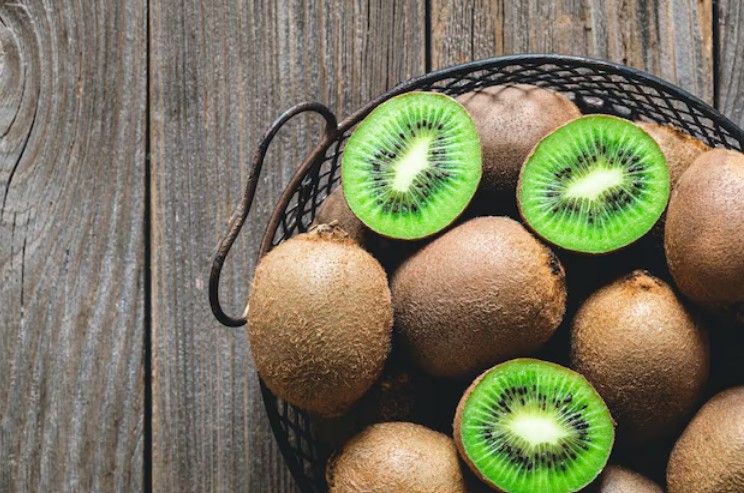
Kiwis — 6g Fibre Per Two Small Fruits
Naturally high in digestive enzymes, kiwis support bowel regularity. Their fibre content keeps things moving without triggering excessive bloating.
Chickpeas — 6g Fibre Per Half Cup
Chickpeas offer both fibre and a satisfying hit of plant protein. Rinsing and draining them helps reduce compounds that cause gas, making them more stomach-friendly.
Red Bell Peppers — 2g Fibre Per Quarter Piece
Colourful, hydrating and crisp, red peppers offer a small but valuable fibre boost. With their vitamin-rich profile, they round out a meal without weighing down digestion.
If fibre has left you feeling gassy or uncomfortable in the past, it might not be fibre itself, but the type. Low-FODMAP sources like these make it easier to enjoy the benefits of fibre without the blowback. Pair them with adequate water intake, introduce them gradually and listen to your gut. Your digestive system will thank you.
Don't Miss: Fatty Liver Diet: Expert Recommends Top Foods and Fruits to Detox the Liver Naturally
Keep reading Herzindagi for more such stories.
Image Courtesy: Freepik