
Using Retinol This Winter? The ‘Sandwich Method’ That Prevents Flaky, Dry Skin

Retinol is the gold standard for acne, texture, and fine lines, but come winter, even loyal users start seeing redness, tightness, and that dreaded flaking. Should you stop retinol till summer? Not necessarily.
According to Dr Noopur Jain, Founder & Consultant Dermatologist, Skinzest, winter does not automatically mean you have to discontinue retinol. The decision should depend on your skin condition, tolerance, formulation, and your overall routine, not just the season.
Here’s how to keep the benefits without compromising your barrier.
What Happens To Retinol Users In Winter?
Retinol, a vitamin A derivative, works by speeding up cell turnover. That process can cause dryness, redness, and peeling, especially if introduced too quickly or used excessively. In winter, low humidity, cold winds, and indoor heating already compromise your skin barrier and increase transepidermal water loss. So skin that tolerated retinol well in July may suddenly feel sensitive in December. If you tolerate retinol comfortably, you can continue. But if you have persistent burning, redness, or significant peeling, don’t push through. Reduce frequency, switch to a lower strength, or pause till your barrier recovers.
Does Retinol Cause Flakiness In Cold Weather?
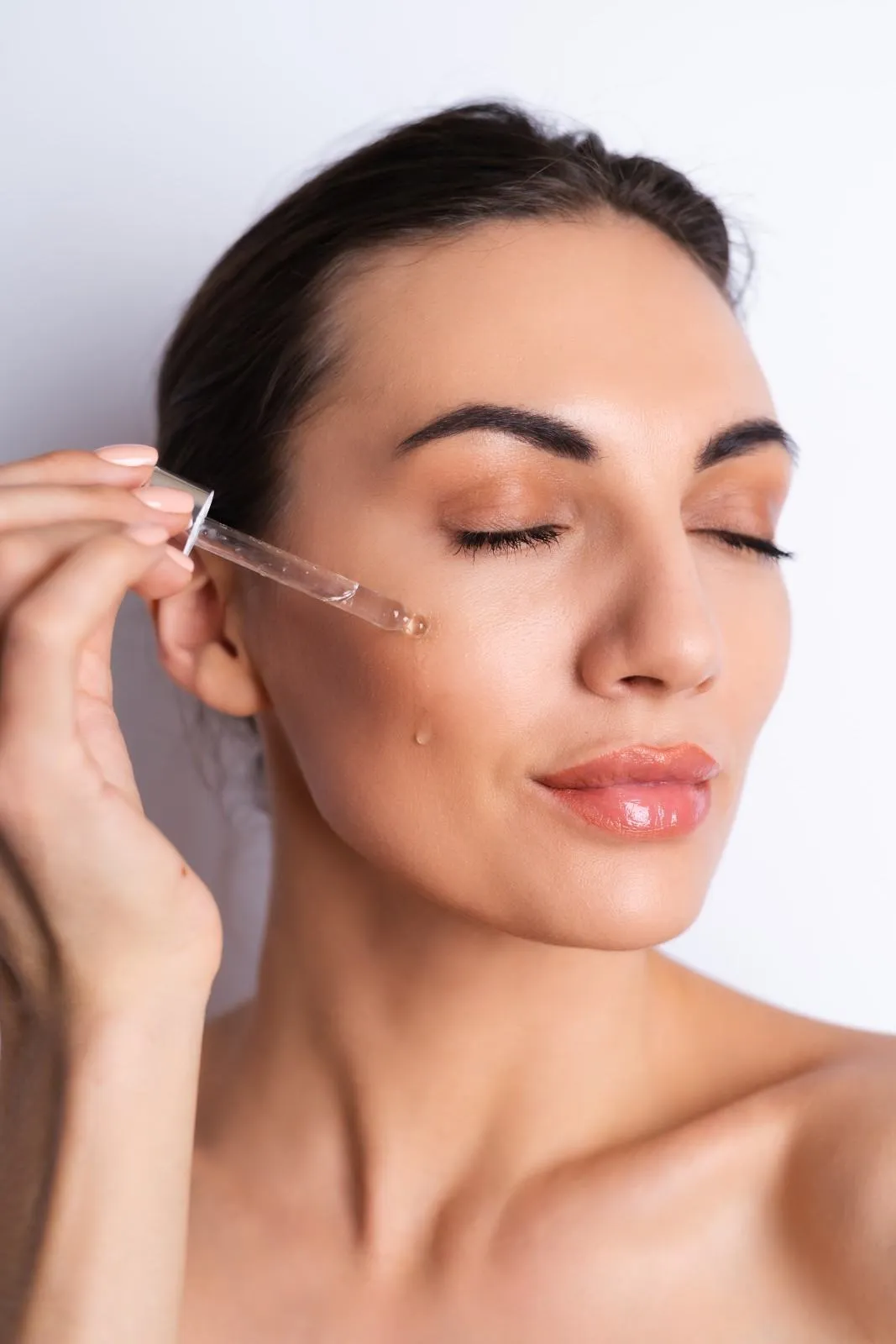
Yes, it can, but flakiness is not inevitable. It’s a sign of barrier disruption, not that retinol is “not suiting you”. Cold weather thins your barrier naturally. When you add a high-strength retinol, daily use, or layering with other actives, your skin can’t keep up. The fix isn’t quitting; it’s adapting - sandwiching, reducing frequency to 2-3 times a week, and using a richer moisturiser. If flaking lasts more than 2 weeks despite these changes, consult your dermatologist.
ALSO READ- Skin Barrier Damaged This Winter? Dermatologists Explain Why Your Moisturiser Isn't Working
The Sandwich Method: Winter’s Best Retinol Hack
For beginners and sensitive skin, the dermatologist-approved trick is the moisturiser sandwich technique.
Instead of applying retinol directly on bare skin, you buffer it:
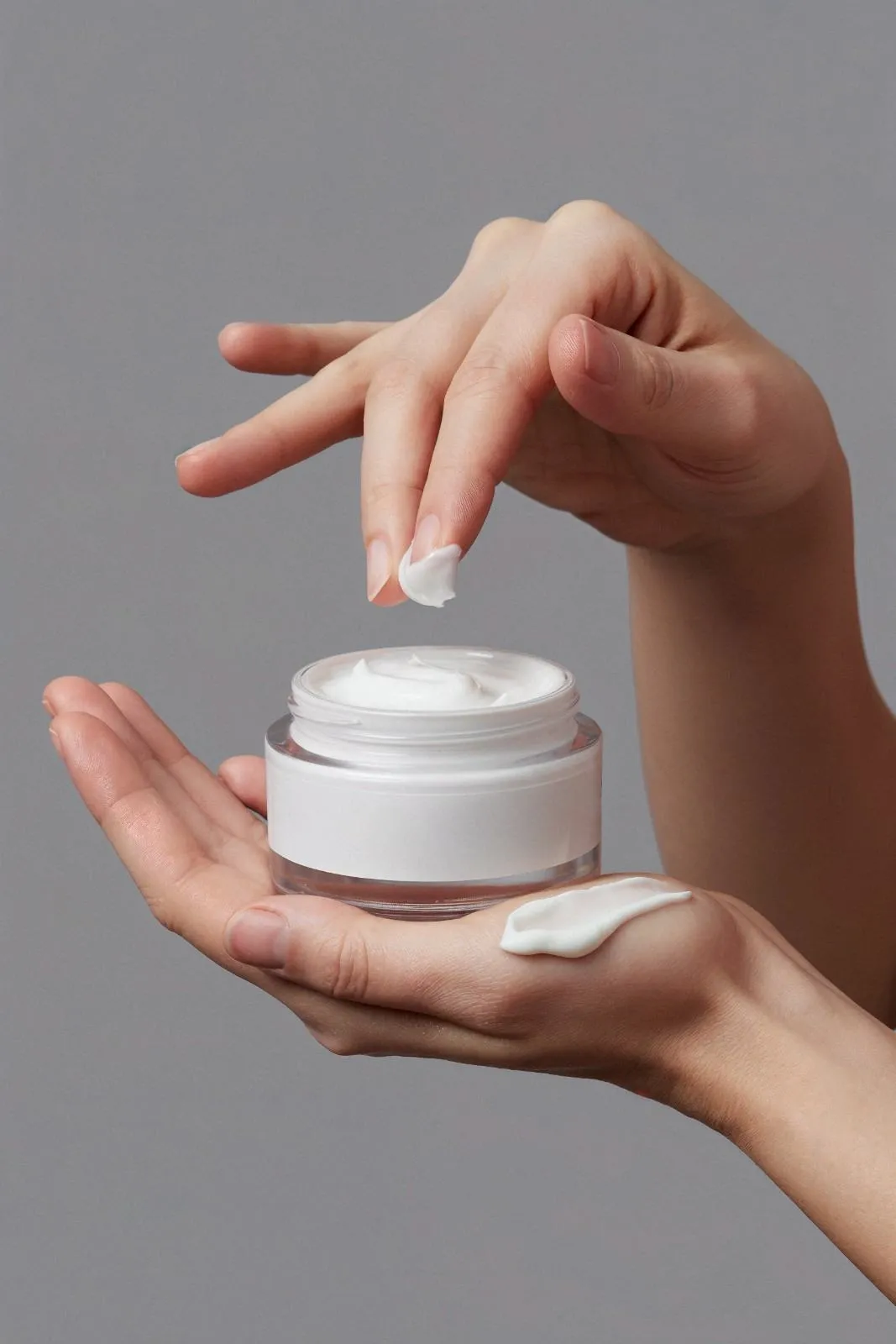
- Step 1: Cleanse and completely dry your face. Apply a thin layer of barrier-supportive moisturiser with ceramides, glycerin, or hyaluronic acid.
- Step 2: Apply a pea-sized amount of retinol.
- Step 3: Seal it again with another layer of the same moisturiser.
This double layer of moisturiser slows down retinol absorption, improves tolerability, and prevents that direct hit that causes flaking, while still delivering results. For beginners, Dr Jain suggests starting with a low-strength formulation just twice a week and increasing gradually as per tolerance.
The 10-Minute Rule: The Crucial Timing Step Most People Skip
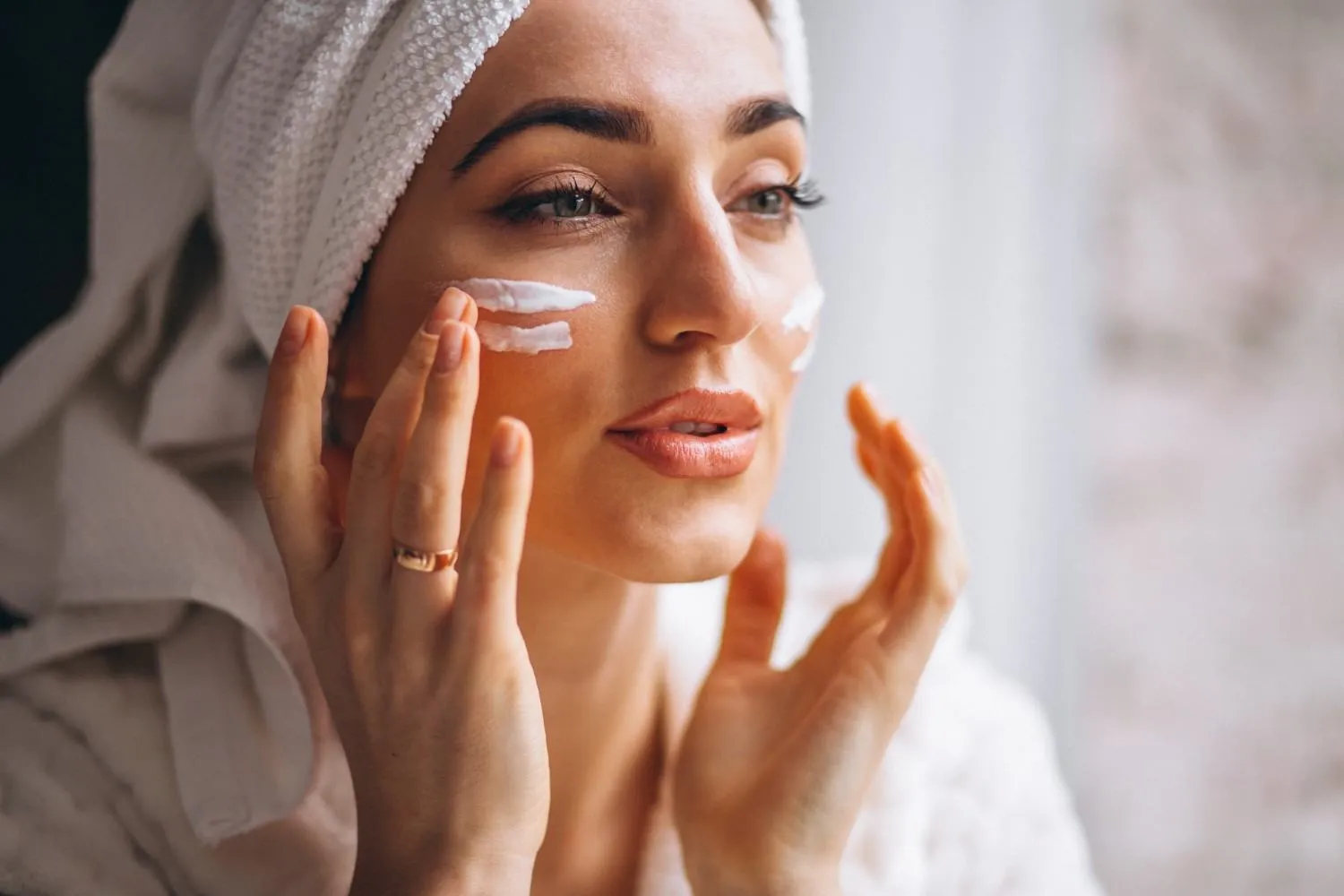
Most people apply retinol on slightly damp skin to “lock it in”; that’s the biggest mistake in winter. Always apply retinol to clean, completely dry skin. Wait at least 10 minutes after cleansing or after your first moisturiser layer before applying retinol. Damp skin increases penetration and multiplies irritation; dry skin keeps it controlled and predictable.
Barrier Ingredients To Pair (And Ones That Trigger Purging)
- Pair With These: Look for ceramides, glycerin, hyaluronic acid, squalane, and niacinamide (in your moisturiser, not as a separate active layer). They repair and hydrate without competing with retinol.
- Avoid Mixing These On The Same Night: The most common winter mistake is combining multiple actives. Do not use retinol with AHA/BHA exfoliating acids, glycolic acid, or high-strength Vitamin C in the same routine. This cocktail increases inflammation and destroys barrier integrity. Keep your routine simple.
ALSO READ- Why Is Your Skin Breaking Out In Winter? Dermatologist's Guide To Prevent Cold-Weather Acne
Quick Winter Retinol Checklist
1. Sunscreen is non-negotiable: Daily broad-spectrum SPF 30 or higher, even on cloudy winter days. Retinol makes skin more sun-sensitive.
2. Less is more: Effective skincare is not about using more products, but about achieving results without compromising skin health.
3. Know when to pause: If you have eczema, rosacea, or a compromised barrier, seek dermatological advice before continuing. Topical retinoids should be avoided during pregnancy as a precaution.
Key Takeaways
Retinol doesn't have to be a winter villain. With the right approach: the sandwich method, the 10-minute dry-skin rule, and a barrier-first moisturiser, you can keep the glow without the flakes.
(Image Credits: Magnific)
Stay tuned to read more such stories on HerZindagi.
- Can I use the sandwich method every night in winter?
- No, even with sandwiching, stick to 2-3 nights a week and increase only if your skin tolerates it.
- Should I apply retinol before or after moisturiser in winter?
- Both. Apply moisturiser, then retinol, then moisturiser again - that's the sandwich method for less irritation.
- Can I skip sunscreen if I'm indoors in winter while using retinol?
- No, daily SPF 30+ is mandatory as retinol makes skin more sun-sensitive even on cloudy days.
Our aim is to provide accurate, safe and expert verified information through our articles and social media handles. The remedies, advice and tips mentioned here are for general information only. Please consult your expert before trying any kind of health, beauty, life hacks or astrology related tips. For any feedback or complaint, contact us at compliant_gro@jagrannewmedia.com.