
Is "8 Glasses Of Water a Day" Needed In Summers? The Truth About Overhydration
-1777982221856_m.webp)
‘Hydrate’ has been the buzzword around town, often suggested as the go-to hack for better skin, better gut health and more energy. During summers, hydration is given an additional nudge. But according to Dr Vikram Kalra, a leading Nephrologist at Aakash Healthcare, there is such a thing as ‘too much of a good thing.’ While staying hydrated is vital, overdoing it can put a silent strain on your body, especially if your kidneys aren't at 100%.
All inputs in this story has been shared by Dr. Vikram Kalra, Principal Director - Nephrology and Kidney Transplant, Aakash Healthcare Multi-Speciality Hospital, Dwarka.
The Pitfalls of Drinking Too Much Water
For most of us, our kidneys are like filters, flushing out extra fluid effortlessly. But if kidney function is impaired (like in Chronic Kidney Disease or for those on dialysis), that "filter" slows down. Instead of leaving the body, the extra water hangs around, leading to:
- Swelling (Edema): Fingers retaining fluid, or ankles looking puffy
- Breathlessness: In serious cases, fluid can back up into the lungs, making it hard to catch your breath.
Heart Strain: Extra fluid means extra blood volume, which forces your heart to work overtime, spiking your blood pressure.
Those who should be more mindful, are those with kidney diseases or those on dialysis. “One of the biggest risks of over-hydration in patients with kidney disease is edema or swelling. Excess fluid may collect in the ankles, legs, and, at times, the lungs, causing shortness of breath. In extreme cases, it may result in pulmonary edema, where fluid collects in the lungs and makes it difficult for patients to breathe,” explained Dr Kalra. “In patients who are on dialysis, the fluid intake of the patient is strictly controlled between dialysis treatments.”
The Sodium Slip: What is Hyponatremia?
If you have ever experienced a random headache, nausea, or a bit of "brain fog" after chugging water, it may just be Hyponatremia. This happens when you drink so much water that it dilutes the sodium in your blood. Since sodium helps your nerves and muscles work, dropping those levels too low can lead to confusion or even seizures.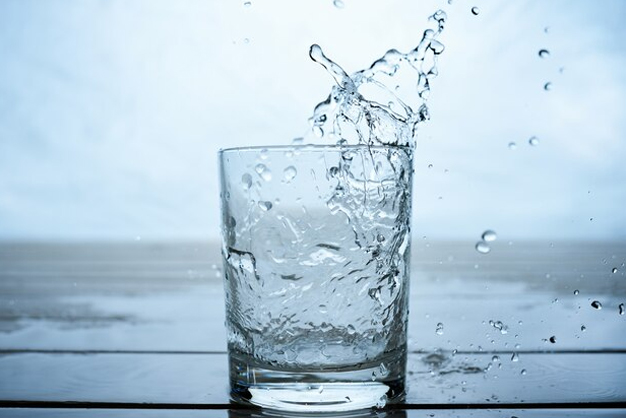
“The body has a natural thirst mechanism that usually guides adequate intake, so forcing large quantities of water beyond thirst, especially in a short time, can do more harm than good. A balanced approach, where fluid intake matches activity level, climate, and individual needs, is the safest strategy,” explained Dr Kalra.
What Does Overhydration Do to Women’s Bodies?
For women, hydration doesn’t only quench thirst, but also plays a part in how hormones function in the body.
ALSO READ- 5 Summer Fruits That Keep Your Body Hydrated
Period Cycle and Menopause: Hormonal shifts during your period, pregnancy, or menopause can cause your body to hold onto water (hello, bloating!) or mess with your electrolyte balance.
Pregnancy: Both too little and too much water can be risky. It’s less about "flushing the system" and more about finding that steady, medical-approved middle ground.
How to Hydrate Without Overdoing it
If you’ve been told to watch your fluid intake, try these expert-backed tips:
- Small Sips, Not Gulps: Sip slowly throughout the day rather than chugging a whole bottle at once.
- Size Matters: Use smaller glasses. It tricks the brain into feeling satisfied with less.
- Watch the Salt: Salty snacks are "thirst traps." Cutting the salt helps you manage your cravings for extra water.
- Track It: If you're managing a health condition, keep a simple log of your fluids (including that afternoon bowl of soup!).
One thing to remember is that fluids don’t only enter our body through our water intake. “Fluid does not have to come from just water. Food and beverages that are primarily made up of water (soups, fruits, juices, tea, etc.) can significantly contribute to a patient's total fluid intake for the day. Many times those foods account for daily fluid intake that is above a patient's limit,” highlighted Dr Kalra.
The Golden Rule: Hydration is about drinking enough, in small bits throughout the day, and not drinking too much for the sake of it.
Our aim is to provide accurate, safe and expert verified information through our articles and social media handles. The remedies, advice and tips mentioned here are for general information only. Please consult your expert before trying any kind of health, beauty, life hacks or astrology related tips. For any feedback or complaint, contact us at compliant_gro@jagrannewmedia.com.