
Can Pollution Adversely Impact Fertility? Experts Explain

The challenge of conception is increasingly complicated, and according to leading specialists, one significant yet often overlooked factor is the rising tide of environmental pollution. From the invisible particulate matter in the air to endocrine-disrupting chemicals, pollution is emerging as a measurable contributor to subfertility for couples in urban environments.
How Pollution Affects Fertility
According to Dr Rajendra Shitole, Clinical and Academic Head, IVF Consultant, Laparoscopic & Robotic Surgeon at DPU Super Specialty Hospital, Pimpri, Pune, environmental pollutants like PM2.5, nitrogen oxides, and lead directly infiltrate the body and trigger two primary pathways that compromise reproductive health: oxidative stress and inflammation.
"Air pollutants can alter hormonal balance, damage sperm and oocytes, and impair embryo implantation," explains Dr Shitole. "Pollutants also trigger systemic inflammation, which affects endometrial receptivity and early embryonic development."
Dr Rashmika Gandhi, Fertility Specialist at Birla Fertility & IVF, Gurgaon, echoes this, noting that fine particulate matter (PM2.5 and PM10) is small enough to enter the bloodstream and reach the reproductive organs, creating the oxidative stress that links directly to reduced egg and sperm health.

Impact of Pollution on Women’s Fertility
For women, the effects of pollution are multifaceted:
Ovarian damage: Pollution accelerates ovarian ageing, leading to a reduction in AMH (Anti-Müllerian Hormone), which is a key marker of ovarian reserve.
Reduced quality: It increases the risk of aneuploidy (abnormal number of chromosomes) in eggs, which leads to poorer IVF outcomes and unexplained miscarriages.
Implantation failure: Systemic inflammation caused by pollutants compromises the endometrium, leading to repeated implantation failure (RIF).
Impact of Pollution on Men’s Fertility
The male reproductive system is equally vulnerable, primarily through increased oxidative stress:
Sperm damage: This results in lower sperm count, abnormal morphology, and, most critically, fragmented DNA within the sperm, a major cause of conception difficulty and early embryo arrest.
Fluctuating parameters: Dr Gandhi points out that men may see noticeable variations in semen parameters, especially motility and morphology, within weeks of high pollution exposure.
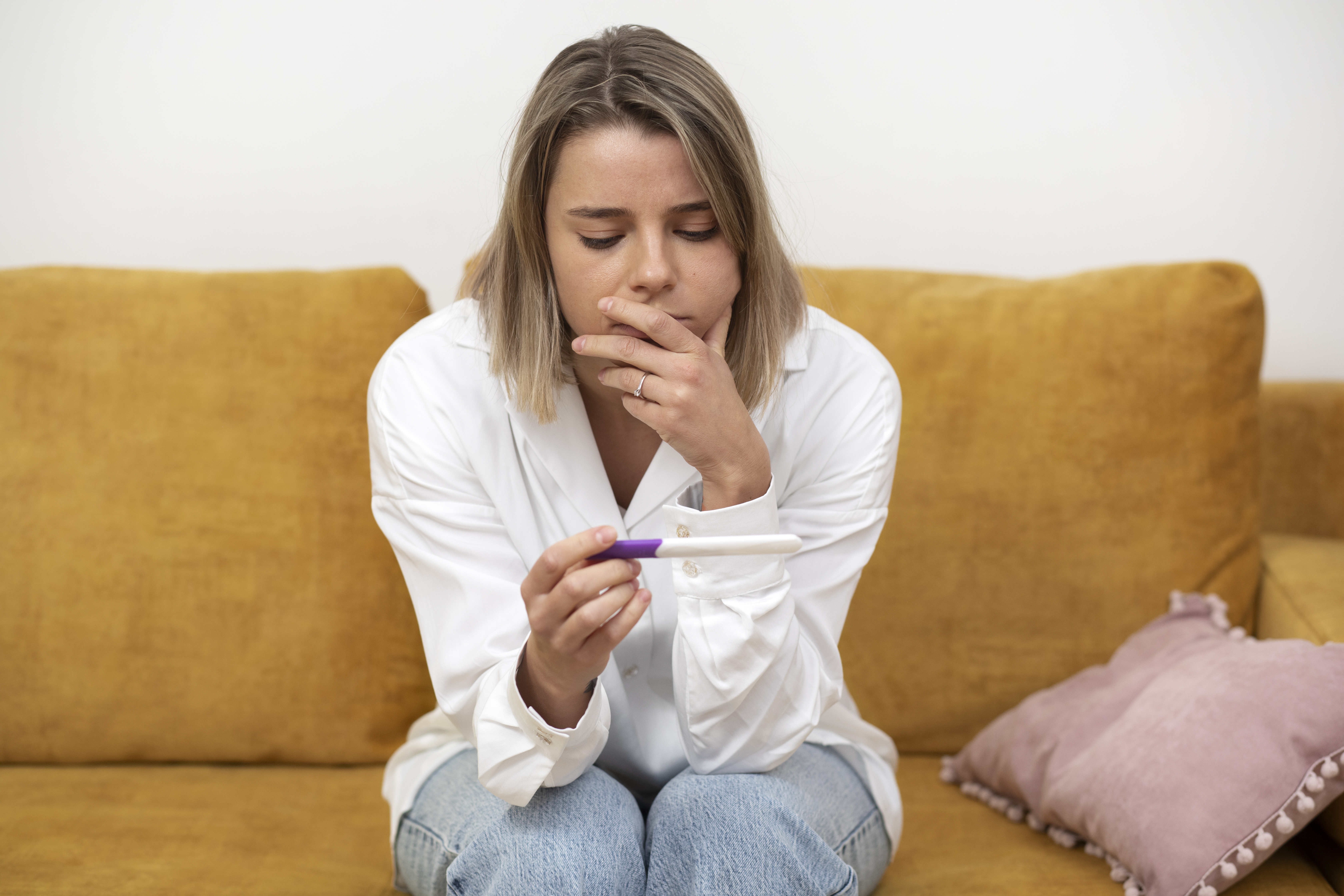
Signs of Pollution-Related Fertility Decline
Pollution-related fertility decline often lacks dramatic symptoms but shows up as subtle, consistent changes in reproductive patterns.
In women, look for irregular menstrual cycles or delayed ovulation, worsening AMH or poor ovarian response trends, and repeated implantation failure or unexplained miscarriages.
In men, look for declining sperm counts or abnormal morphology across routine tests, rising DNA fragmentation levels despite otherwise healthy lifestyles, and decreased libido or reduced ejaculate volume.
As Dr Shitole notes, in IVF patients, persistent poor embryo quality or early embryo arrest can be a direct reflection of high oxidative and environmental toxin exposure.
Don't miss: 4 Environmental Toxins That Can Affect Female Fertility, According To Expert
What Couples Can Do
Couples in metropolitan areas are not helpless against this environmental threat. Specialists recommend a multi-pronged approach focusing on exposure reduction and internal defense.
1. Reduce Environmental Exposure
Home air quality: Use high-efficiency HEPA-based air purifiers and ensure proper home ventilation during low-pollution hours.
Outdoor safety: Avoid vigorous outdoor workouts on high-AQI days, especially in the early morning when particulate levels peak. Use N95 masks outdoors when the Air Quality Index (AQI) is poor.
Lifestyle detox: Avoid plastic containers, pesticides, and unnecessary cosmetic chemicals that contain endocrine disruptors.
2. Strengthen Internal Defense
Antioxidant diet: Both doctors emphasise an antioxidant-rich diet. Foods like amla, citrus fruits, berries, walnuts, leafy greens, and pomegranate help neutralise free radicals and support gamete quality.
Targeted supplements: Under medical advice, supplements like Vitamin C and E, CoQ10, and Omega-3 can help counter oxidative damage. Men, in particular, benefit from specific antioxidant therapy to reduce sperm DNA fragmentation.
Holistic health: Maintaining an ideal BMI, daily hydration, and prioritising proper sleep reduces the overall stress pollutants impose on the reproductive system.
Dr Gandhi offers a final, critical reminder: "Fertility is time-sensitive, pollution accelerates reproductive ageing, so early consultation with a fertility specialist ensures timely intervention."
If cycles feel irregular, semen quality fluctuates, or conception has been unexpectedly slow for several months, couples should seek a basic fertility assessment. Awareness, paired with proactive lifestyle adjustments and specialist guidance, remains the most powerful tool for protecting reproductive potential in a polluted world.
Don't miss: Smog Can Affect Your Fertility And Impact Your Body Organs: Expert Opinion
Image courtesy: Freepik
For more such stories, stay tuned to HerZindagi.
Our aim is to provide accurate, safe and expert verified information through our articles and social media handles. The remedies, advice and tips mentioned here are for general information only. Please consult your expert before trying any kind of health, beauty, life hacks or astrology related tips. For any feedback or complaint, contact us at compliant_gro@jagrannewmedia.com.