
Women’s Guide to Contraception: Expert Helps You Find Right Birth Control for Your Health
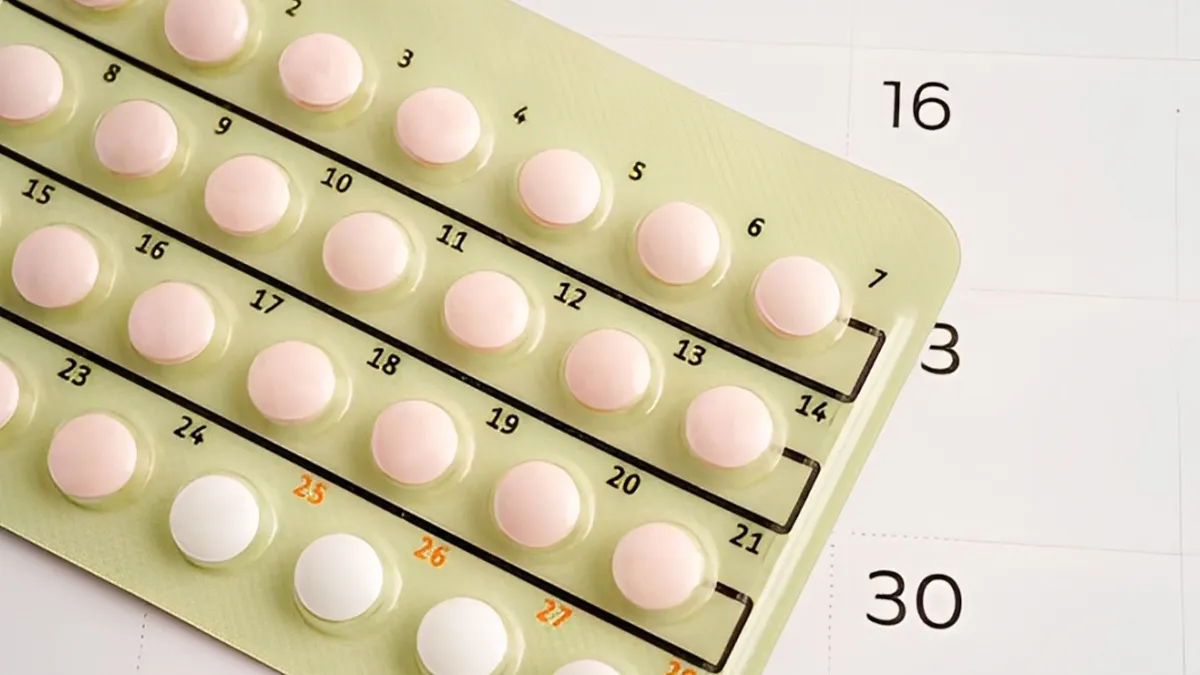
Selecting a contraceptive isn’t simply about avoiding pregnancy, it is a decision tied to one’s wellbeing, future plans, bodily comfort, and daily life. Yet with so many options available, from pills to intrauterine devices, the choice can feel confusing or even stressful. To help women navigate this decision, Dr Manisha Kulkarni, Sr Consultant, OBGYN and IVF, Sahyadri Hospitals Momstory, Hadapsar, Pune, breaks down the key factors that matter most.
Why Birth Control Is More Than Pregnancy Prevention
For many women, contraception intersects with identity, autonomy, and long-term health. Whether one is in a relationship, planning a family, or prioritising career goals, a chosen method needs to align with personal circumstances. No two women share the same hormonal profile, lifestyle needs, or health history, which is why experts emphasise individualised decision-making rather than a one-method-fits-all approach.
Understanding Your Health Comes First
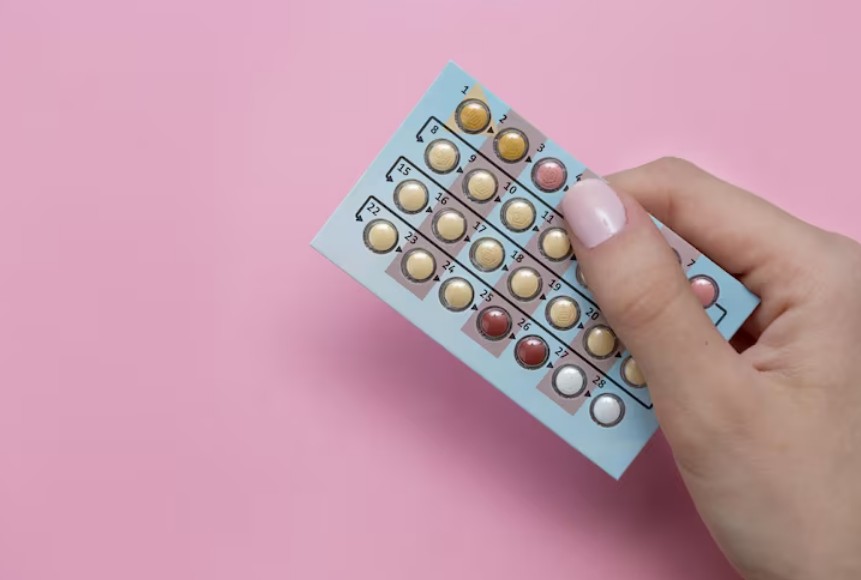
Some contraceptives are hormonal, such as pills, patches and injectables, which can work well for most, but may carry risks for women with conditions like hypertension, clotting disorders, heart disease or hormone-linked cancers.
“Non-hormonal options like copper IUDs or condoms may be more suitable for those with medical contraindications,” notes Dr Kulkarni. Consulting a gynaecologist ensures the method aligns with your body rather than working against it.
Lifestyle and Convenience Play a Big Role
An effective method must fit seamlessly into the user’s routine:
- Long-term options like IUDs or implants require minimal upkeep and are popular among busy working women.
- Short-term or user-controlled methods such as pills or condoms offer flexibility but require consistency.
“If a woman cannot maintain the schedule a method demands, its effectiveness drops,” Dr Kulkarni explains. Consistency, not just choice, shapes success.

Family Planning Goals Matter
Your future fertility plans influence what works best:
- Women planning pregnancy soon may opt for reversible or short-acting methods.
- Those seeking long-term protection may choose implants or hormonal IUDs.
Side-effects also vary, hormonal methods may affect mood or menstrual cycles, while non-hormonal ones may initially cause heavier bleeding. Awareness helps women choose what they can live with comfortably.
Cost, Accessibility and STI Protection Shouldn’t Be Ignored
Availability differs by region and health system, and affordability often determines whether women can continue using a chosen method. Another key question: Does your method protect against infections?
“Most contraceptives prevent pregnancy, but only condoms protect against sexually transmitted infections,” Dr Kulkarni stresses. Many women combine condoms with another method for dual safety.
Birth control isn’t static, it evolves with life stages, health shifts, and priorities. A woman’s preferred method at 22 may not suit her at 32 or 40.
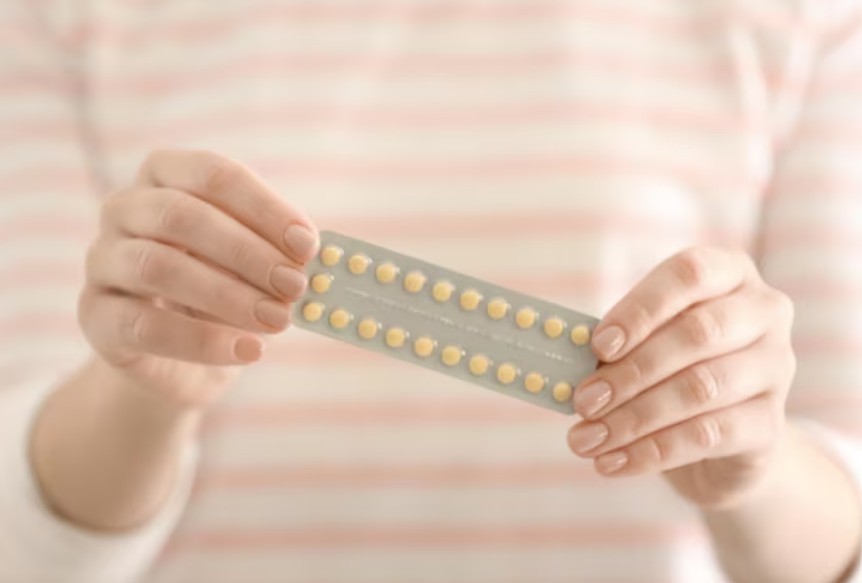
According to Dr Kulkarni, “The ideal contraceptive is one that is safe, comfortable to use, and suits a woman’s lifestyle, and one she can continue consistently.”
Ultimately, contraception is empowerment. It hinges on informed choice, open conversations with healthcare providers, and confidence in one’s body. When women understand their options, they can decide in ways that protect their health and honour their autonomy.
Don't Miss: Your Bones Need More Than Calcium: Expert-Backed Tips for Strong Bone Health
Keep reading Herzindagi for more such stories.
Image Courtesy: Freepik
Our aim is to provide accurate, safe and expert verified information through our articles and social media handles. The remedies, advice and tips mentioned here are for general information only. Please consult your expert before trying any kind of health, beauty, life hacks or astrology related tips. For any feedback or complaint, contact us at compliant_gro@jagrannewmedia.com.