
Roti vs Rice for Weight Loss: Which Is Better & How Much to Eat
-1784018299601_m.webp)
Somewhere in almost every Indian kitchen, a quiet rule has taken hold: rice makes you fat, roti keeps you thin. It gets repeated at dinner tables, in family WhatsApp groups, and by well-meaning aunties who swear they dropped five kilos the year they “gave up rice.”
That rule gets one big thing wrong. When it comes to roti vs rice for weight loss, the two sit far closer together than the dinner-table verdict allows — and the thing that actually moves the number on your scale is barely about the grain at all.
Let’s settle it properly.
The calorie gap is smaller than the guilt
Start with the numbers. That is where the myth falls apart fastest.
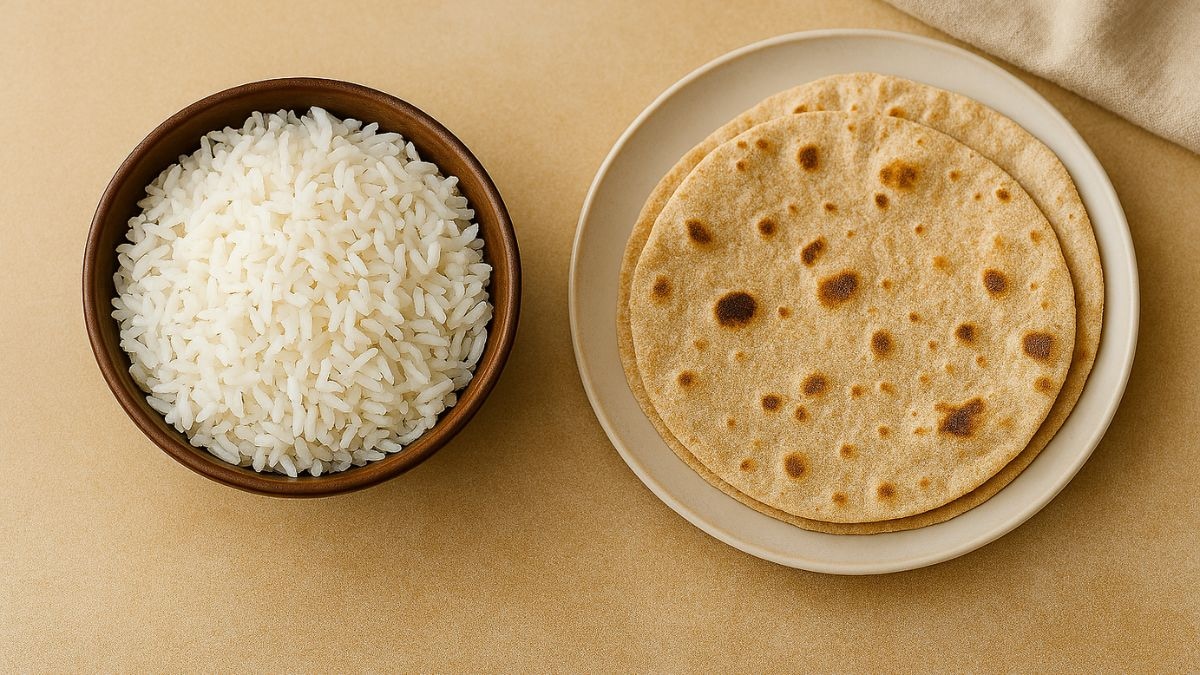
One cup of cooked white rice — about 158 grams — carries roughly 205 calories, according to the USDA. Almost pure carbohydrate. Barely any fat, a little protein. A medium roti? Somewhere between 70 and 120 calories, depending on its size and how heavy your hand was with the atta. Two everyday rotis and a modest cup of rice land in the same calorie neighbourhood.
Read that again. Two rotis. One cup of rice. Practically the same energy.
The dramatic difference people imagine — rice as the villain, roti as the saint — mostly doesn’t exist on the plate. It exists in the story you’ve been told.
The grain barely moves the number. What does is the total number of calories you burn in a day — a figure known as your TDEE.
Running your numbers through a TDEE calculator takes about thirty seconds and gives you an estimate of your maintenance calories, the number rice and roti are competing inside of, not against. Like any formula-based figure, it is an estimate, usually accurate to within about 10 percent — a starting point, not a precise prescription.
So why does roti get the health halo?
Roti isn’t winning on calories. It’s winning on two other things.
First, fibre. Whole wheat keeps its bran, so roti carries more of it than polished white rice. That fibre slows digestion and keeps you full longer — which makes walking away from a second helping a little easier.
Second, blood sugar. White rice has a higher glycaemic index than most whole wheat rotis, so it spikes you faster, and a fast spike means hunger comes back sooner. If you’re managing blood sugar, or just sick of feeling snacky an hour after dinner, roti wins here.
But look at what those wins actually are. Satiety and steadiness — not some fat-burning magic. Roti doesn’t melt fat. It just makes eating less feel effortless, which is genuinely useful. It’s simply not the miracle most people think they’re buying.
What about brown rice, or a bajra roti?
Fair question. Usually the next one.
Swapping white rice for brown, red, or hand-pounded does add fibre and nutrients, and that can help you feel full on a little less. Millet rotis — bajra, jowar, ragi — do the same, often with a gentler glycaemic hit than plain wheat. Enjoy them? Good. They’re a smart upgrade.
But keep it in proportion. Brown rice has only marginally fewer calories than white — the difference is fibre, not a big calorie saving. Bajra roti isn’t a free pass either. These swaps make eating well a bit easier; they don’t rewrite the maths. You still have to eat less than you burn. A fibre-rich grain just makes that “less” feel like more.
The number that actually decides everything
Weight loss doesn’t care whether your carb showed up as a grain or a flatbread. It cares about one thing: are you eating fewer calories than your body burns in a day?
Your TDEE is built from your age, height, weight, sex, and how much you move. Two people eat the identical thali; one loses weight, the other gains — because their bodies burn at different rates. That’s the total your rice or roti has to fit inside.
So the grain debate shrinks to what it always was: a detail. A modest gap of around 500 calories a day below that maintenance level is what many people aim for, and it may translate to roughly half a kilo a week — currently the steady, sustainable pace the CDC describes as healthy, and one worth talking over with a doctor or dietitian before you start. Rice or roti? Barely registers. The total does. Individual results vary.

Where the calories actually sneak in
If the grains are nearly even and the total is what matters, then the real question is where things quietly go wrong. And they do.
It’s almost never the rice. It’s what rides on top.
One spoon of ghee on a roti adds around 40 calories — and nobody stops at one roti, or one spoon. The rich dal, the sabzi drowning in oil, that extra ladle of curry “just for taste” — that’s where a controlled meal quietly stops being one. You can eat rice and lose weight. You can eat roti and gain it. The staple is rarely the deciding factor. The hand holding the oil is.
There’s humbling research behind this. Using the gold-standard method for measuring what people actually eat, study after study finds the same thing: we underestimate our own intake, sometimes badly. The roti felt free. The second helping didn’t count. The ghee was invisible. Your body kept an honest ledger anyway.
Which is exactly why knowing your TDEE beats winning the roti-versus-rice argument. It swaps a guess for a number.
The portion trap nobody warns you about
A quiet twist catches careful eaters off guard.
Because roti wears a health halo, people eat it carelessly — five, six rotis, “it’s just wheat.” Then they ration rice down to a nervous half-cup, terrified of it. You can blow past your calorie budget on virtuous rotis while treating harmless rice like contraband.
The grain you trust can undo you faster than the grain you fear — simply because you stop counting it.
So the honest answer to roti vs rice for weight loss isn’t a winner. It’s a portion size. A common plate: one cup of rice or two rotis, plenty of vegetables, a real source of protein, and a light hand with the oil. Kept within your daily calorie total, both grains fit comfortably into a weight-loss plan.
Protein is the piece many Indian plates skimp on. Dal, curd, paneer, eggs, chicken, fish — a meal built around one of these does more for fullness than anything the grain beside it can. Enough protein on the plate, and the rice-versus-roti question mostly fades: you’re full enough not to overeat either.

Eat like an Indian, just count like an adult
You don’t have to surrender rice. You don’t have to choke down dry rotis and call it discipline. Much of Asia eats rice every single day and stays among the leanest on earth — because they respect portion size, not because they found a better grain.
That’s the whole game. Not elimination. Attention.
You might pick the grain you love, or have both across the week — some prefer rice at lunch when they’re moving more, roti at night, or the reverse. It genuinely doesn’t matter which pattern you choose, as long as the total stays honest.
The rice on your plate was never the problem. The story that it was — that’s what’s been quietly costing you.
Our aim is to provide accurate, safe and expert verified information through our articles and social media handles. The remedies, advice and tips mentioned here are for general information only. Please consult your expert before trying any kind of health, beauty, life hacks or astrology related tips. For any feedback or complaint, contact us at compliant_gro@jagrannewmedia.com.