

World Suicide Prevention Day: Is your loved one or friend experiencing anxiety or rage? Is someone close to you expressing that they feel hopeless in life? They might be suffering from depression or suicidal thoughts.
We connected with Dr Chandni Tugnait, M.D. (Alternative Medicines), psychotherapist and founder and director of Gateway of Healing, to understand the symptoms of suicidal thoughts.

Dr Tugnait said, “Individuals experiencing suicidal ideation may exhibit emotional distress through mood changes like depression, anxiety, rage, or loneliness. Additional warning signs can include, expressing hopeless thoughts about the future, discussing suicide methods, researching ways to die, increased alcohol or drug use, isolation from loved ones, giving away belongings, saying goodbye, risk-taking behaviours, sudden calm after depression, and significant changes in sleep, appetite or personality.”
You should pay attention if your loved one verbally refers to suicide and death. If you notice changes in a person’s behaviour, it is a warning sign too. The person immediately needs consultation from a mental health expert.
Other symptoms of mental health struggles include,

Dr Tugnait said that compassion is the key to helping someone struggling with mental health issues or suicidal thoughts. You should not go all out sharing your opinions, instead, you have to gently express your concern and share your observations with the person.
Without giving ultimatums, you should suggest seeking help from a professional. You can offer them to accompany you for doctor’s visits and ask if they need someone to drive to appointments.
You should remove any item in the house that they can cause self-harm with, and gently discourage drug and alcohol abuse. You should give them privacy if they ask for it, but also stay connected in case they need you.
The expert added that self-care and stress management can help a lot in overcoming mental health issues.
Don't Miss: Things I Wish Someone Had Told Me About Anxiety Sooner
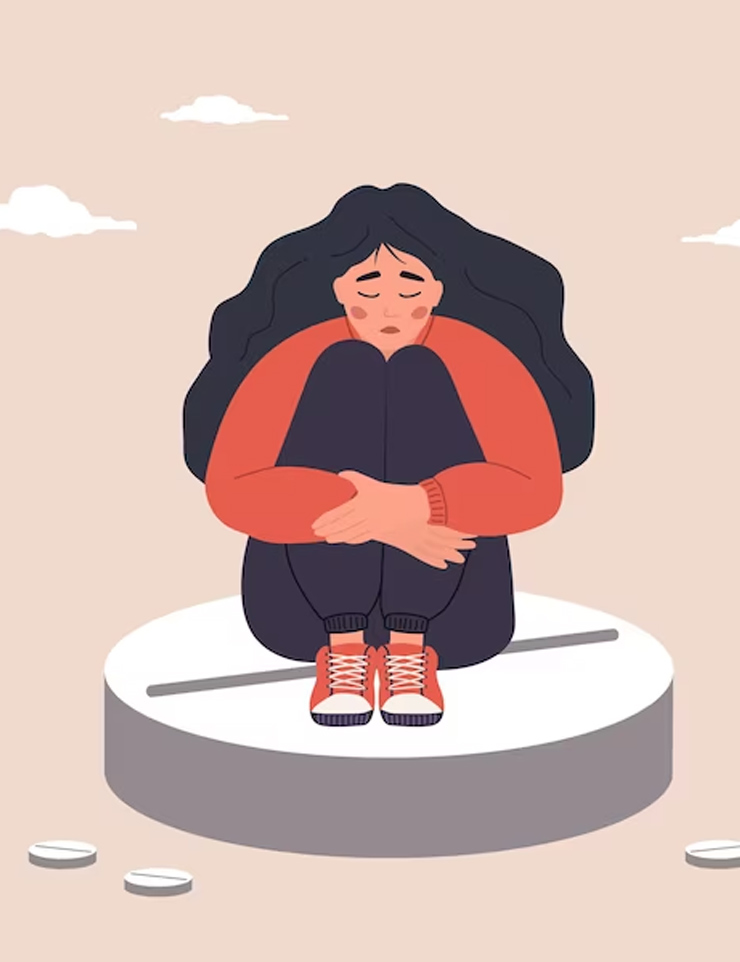
If you think your loved one needs professional help from a mental health expert, you should approach them lovingly and ensure to have the conversation in private.
Dr Tugnait said, “Express specific concerns like changes in mood, withdrawal, disordered thinking. Emphasise that you want to understand what they are experiencing to find solutions. Highlight reasons you believe professional assessment and care could help improve their well-being.”
Don't Miss: Mental Health Expert Answers FAQs About Depression And Suicide
When speaking to a person going through mental health issues, you should always highlight their positive traits and strengths. You should offer validation to their emotions but also offer them hope. If they seem defensive about seeking help, you should refrain from pressuring them, instead, visit the topic later.
“Continued patience, compassion and encouragement to access appropriate care is key. Reinforce your unwavering support,” the expert advised.
Stay tuned to HerZindagi for more.
Also watch this video
Herzindagi video
Our aim is to provide accurate, safe and expert verified information through our articles and social media handles. The remedies, advice and tips mentioned here are for general information only. Please consult your expert before trying any kind of health, beauty, life hacks or astrology related tips. For any feedback or complaint, contact us at compliant_gro@jagrannewmedia.com.