
The Rise of ‘Posting Zero’: Gen Z’s Quiet Rebellion Against Content Overload
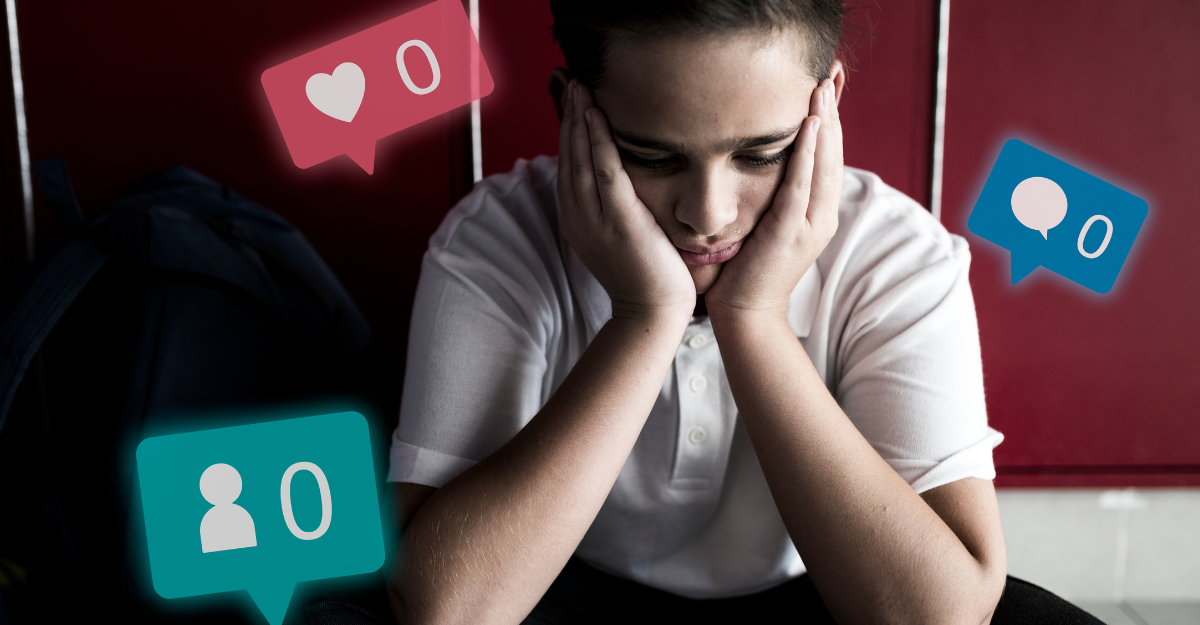
Long gone are the days when oversharing was the norm on social media. Today's generation is opting out of performative, data-driven feeds to embrace authenticity and quiet presence. This shift is measurable: a recent study by the Financial Times surveyed 250,000 online users across 50 countries and found that social media usage has reportedly fallen by as much as 10 per cent globally.
This mass retreat has crystallised into a recognised cultural moment: 'Posting Zero'. The term was coined by The New Yorker's Kyle Chayka in his weekly column Infinite Scroll, where he reminisced about a time when his feed was full of banal, authentic updates from his friends. Now, 'Posting Zero' has become a defining trend—a quiet revolt against content overload, validation-seeking, and deep social media fatigue.
But what exactly is 'Posting Zero,' and what does this digital silence mean for our mental health? We dive into the psychology behind the movement.
What is Posting Zero?
The phrase 'Posting Zero' carries two distinct, yet complementary, meanings, both rooted in conscious choice.
According to Dr Rimpa Sarkar, Clinical Psychologist and founder of Sentier Wellness, Mumbai, Posting Zero is the "conscious choice of not posting anything on social media, no photos, stories, or updates, while still being active online." You can scroll, watch content, or connect privately, but your life is no longer a public spectacle. It is the ultimate act of reclaiming your own narrative.
Yuvika Dutta, Psychotherapist, Delhi, offers a more literal interpretation, describing it as the act of "sharing blank posts, empty carousels, or posts with minimal to no content and sometimes just a blank background, a single dot, or a silent video." In this case, the post intentionally communicates nothing at all.
As Dutta explains, "For certain individuals, it serves as a reset, much like emotional decluttering of their digital identity. Think of it as someone saying, ‘I don’t have the words right now,’ or ‘Let me breathe,’ without explicitly saying it."
This intentional blankness can communicate moods like overwhelm, sadness, or neutrality when language fails, such as when a working professional shares an empty white post to signal burnout.
Don't miss: How Social Media And Therapy Speak Could Be Ruining Relationships

The Rise of Posting Zero
Why are we collectively hitting the digital mute button? Experts agree that the trend is a direct response to cultural burnout.
Dr Sarkar notes the trend is largely driven by social media fatigue, comparison pressure, and constant public visibility. "Many people feel mentally exhausted by the need to curate their lives, seek validation, or maintain an online image," she says. Posting Zero grants them the luxury of reclaiming privacy, emotional safety, and authenticity without forcing a complete digital disconnection.
Dutta views it as a necessary pause in an overstimulated world. It acts as a digital rebellion, a quiet act of resistance against a system that rewards constant visibility. Ironically, she suggests, "posting ‘nothing’ often feels more real than carefully curated aesthetics," fulfilling a deep desire for authenticity.
Don't miss: How Can You Reduce Your Social Media Usage?
Is Posting Zero Good For Mental Health?
For many, yes. Posting Zero is a powerful mental health tool, provided the intent is right.
Dr Sarkar confirms that for most, the trend can reduce anxiety related to judgement, likes, and validation, and ease comparison-driven stress. It is a way to stay grounded, live in the moment, and protect emotional well-being.
However, both experts caution that intention is paramount. Dutta emphasises that the trend is healthy only when "it serves as emotional expression or a break from overstimulation," or if it "allows individuals to pause, reflect, or reset their online space." It becomes potentially unhealthy if it is used as a passive cry for help, an escape from responsibilities, or a replacement for seeking necessary support.
Things to keep in mind
Before you erase your digital footprint, both Dr Sarkar and Dutta offer crucial advice on how to practice Posting Zero with grace and intention:
Check Your Intention: Dr Sarkar advises: "Be clear about your intention; it should feel calming, not fear-driven." Similarly, Dutta suggests checking in with yourself: "Are you expressing yourself or avoiding something?"
Boundary, Not Withdrawal: Posting Zero should act as a healthy boundary, not a form of emotional withdrawal, stresses Dr Sarkar. It is crucial to stay emotionally engaged offline, even when you are quiet online.
Balance Passive with Active: Don't replace real-life connection with only passive scrolling. Create balance, as Dutta reminds us, by ensuring you pair digital pauses with real-world rest, journaling, and emotional processing.
Communicate When Needed: If the blank posting stems from overwhelm, Dutta strongly advises reaching out for support from friends, family, or a therapist. Since people may interpret silence in many ways, clarity is helpful when necessary.
Ultimately, Posting Zero reflects a collective desire to slow down. When wielded mindfully, it is not a lack of content, but a radical act of self-possession; a beautiful, intentional silence in a world that never stops shouting.

Image courtesy: Freepik
For more such stories, stay tuned to HerZindagi.
Our aim is to provide accurate, safe and expert verified information through our articles and social media handles. The remedies, advice and tips mentioned here are for general information only. Please consult your expert before trying any kind of health, beauty, life hacks or astrology related tips. For any feedback or complaint, contact us at compliant_gro@jagrannewmedia.com.