
Sweating More Than Usual? Dermatologist Explains How Excessive Sweat Could Be Hyperhidrosis
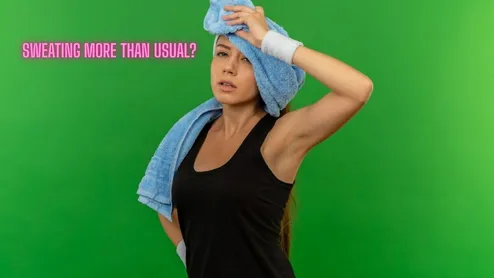
Sweating is a normal physiological process that helps regulate body temperature. However, excessive sweating, known as hyperhidrosis, can significantly affect a person’s physical comfort, emotional well-being and daily activities. Dermatologist Ajay Rana, Founder & Director, ILAMED and President, Indian Society of Aesthetic Medicine (ISAM), says understanding the cause is essential before recommending an appropriate treatment.
What Is Hyperhidrosis?
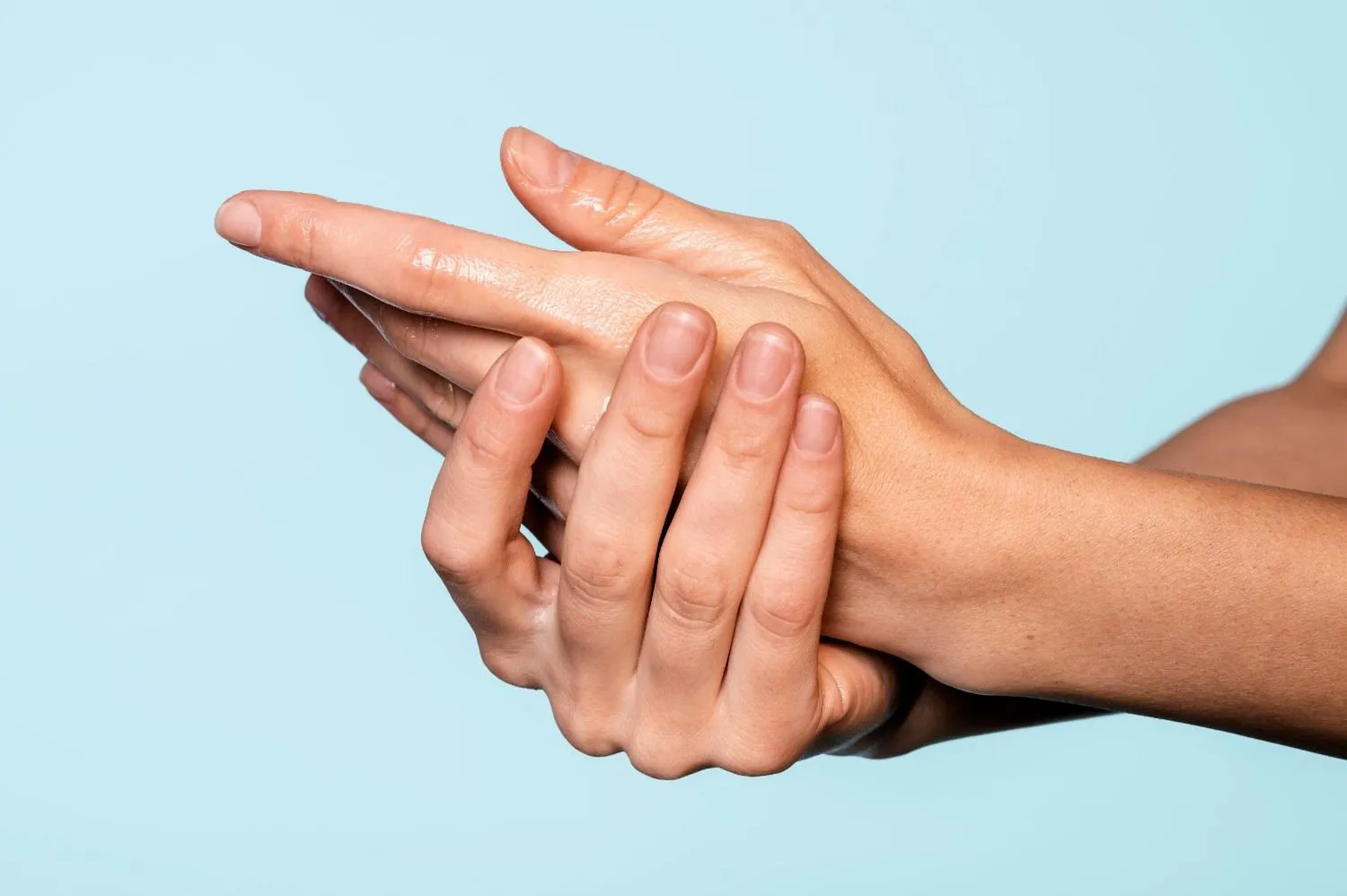
Hyperhidrosis is a condition characterised by excessive sweating that occurs even without physical exertion or exposure to high temperatures. It may affect specific areas, such as the palms, soles, underarms and face, or involve larger regions of the body.
Common symptoms include excessive sweating without an obvious trigger, persistent moisture on the palms and soles, sweating through clothing, particularly around the underarms, skin irritation, rashes and dryness caused by constant moisture and friction, difficulty handling electronic devices or performing professional activities. Beyond physical discomfort, hyperhidrosis can cause embarrassment, anxiety and social withdrawal, particularly when visible sweat marks or odour affect personal interactions.
ALSO READ- Dermatologist Reveals The Hidden Way Your Daily Makeup Is Causing Acne
Types of Hyperhidrosis
Hyperhidrosis is broadly classified into primary focal and secondary hyperhidrosis.
Primary focal hyperhidrosis generally begins during childhood or adolescence and may have a genetic component. It commonly affects the palms, soles, underarms and face. The condition is associated with increased activity of the sympathetic nervous system and is not necessarily linked to another underlying disease.
Secondary hyperhidrosis develops as a result of an underlying medical condition or medication. Potential causes include hormonal disturbances, diabetes and certain other illnesses. Unlike primary hyperhidrosis, it may affect larger areas, including the chest, back and legs, and can sometimes cause night sweats.
A detailed medical history and clinical examination are important to distinguish between the two types and identify potential underlying causes.
Causes And Risk Factors For Hyperhidrosis
Primary hyperhidrosis is primarily associated with over activity of the sympathetic nervous system, which regulates sweating through the autonomic nervous system. Several factors may contribute to excessive sweating or worsen its symptoms, including genetic predisposition, hormonal changes and menopause, certain medical conditions and medications, stress and emotional triggers, overweight and other individual health factors.
Stress can stimulate sweating, although its impact varies from person to person. Since hyperhidrosis has multiple potential causes, there is no single treatment that works for every patient. A dermatologist should evaluate the symptoms and recommend an individualised approach.
ALSO READ- Not All Acne Scars Are The Same: How To Identify Your Scar Type And Choose The Right Treatment
What Does a Dermatologist Say About Hyperhidrosis Diagnosis?
Treatment begins with determining whether the sweating is focal or generalised and whether it is accompanied by other symptoms. The dermatologist also assesses the patient's medical history, medications and possible underlying conditions.
Depending on the severity and affected areas, treatment may include topical antiperspirants, oral medication, botulinum toxin injections and energy-based procedures.
Treatment Options For Hyperhidrosis
1. Topical Treatments
Antiperspirants containing aluminium chloride are commonly used as an initial treatment, particularly for focal hyperhidrosis. Available in creams, solutions and roll-ons, they help reduce sweat production in the treated area. The concentration and application frequency should be determined by a medical professional to minimise skin irritation.
2. Oral Medications
When topical treatments are insufficient, dermatologists may prescribe oral medications that reduce nerve signals responsible for sweating. These medications can cause side effects, making appropriate dosage selection and medical supervision essential.
3. Botulinum Toxin Injections
Botulinum toxin injections are an effective treatment for certain forms of hyperhidrosis, particularly excessive underarm sweating. The procedure works by temporarily blocking nerve signals that activate sweat glands, thereby reducing sweat production.
Results are temporary, and repeat treatments may be required, depending on the individual’s response and the treated area. The procedure should be performed by a qualified medical professional.
4. Iontophoresis and Other Procedures
Iontophoresis is a non-invasive treatment commonly used for palmar and plantar hyperhidrosis, particularly in mild to moderate cases. During the procedure, the hands or feet are placed in water while a mild electrical current is passed through it. This helps reduce sweating and is generally well tolerated.
Other electrotherapy techniques may be considered for selected patients. In severe or treatment-resistant cases, minimally invasive procedures or surgery may be explored after a thorough medical assessment.

Conclusion
Hyperhidrosis is a manageable condition when diagnosed correctly and treated appropriately. Whether excessive sweating affects the underarms, palms, soles or face, a personalised treatment plan can help improve comfort, confidence and quality of life. Consulting a dermatologist is the first step towards identifying the cause and selecting the most suitable treatment.
(Image Credits: Magnific)
Stay tuned for more such stories at Her Zindagi.
- What is hyperhidrosis?
- Hyperhidrosis is a medical condition characterised by excessive sweating without normal triggers like heat or physical exertion.
- Can hyperhidrosis be cured completely?
- While it may not always be permanently cured, hyperhidrosis can be effectively managed with targeted medical treatments.
- Which treatments are available for excessive sweating?
- Common treatments include prescription antiperspirants, oral medications, Botox injections, and iontophoresis.
Our aim is to provide accurate, safe and expert verified information through our articles and social media handles. The remedies, advice and tips mentioned here are for general information only. Please consult your expert before trying any kind of health, beauty, life hacks or astrology related tips. For any feedback or complaint, contact us at compliant_gro@jagrannewmedia.com.