
Can AI Personalise Menopause Care? How Technology Can Transform Women’s Health
Menopause is often described as a universal experience, but no two women experience it in exactly the same way. While some struggle with sleepless nights, others experience debilitating joint pain, mood changes or persistent brain fog. Many describe a more difficult-to-explain change: feeling unlike themselves. Yet, despite these differences, women are still too often told, “It’s your age. Adjust.”
When Tamanna Singh founded MenoVeda, she recognised a recurring gap between women’s lived experiences and the care available to them. Menopause is deeply individual, but the healthcare approach surrounding it remains largely generic. Technology, when used thoughtfully and responsibly, has the potential to bridge this gap and make menopause care more personalised, accessible and effective.
How Telehealth Is Making Menopause Care More Accessible
For a woman in her late forties, seeking medical support can mean taking time off work, finding a doctor who understands menopause and travelling to an appointment. Many women still reach midlife without ever discussing their symptoms with a healthcare professional.
Telehealth can make that first step considerably easier. Video consultations reduce logistical barriers and allow women to connect with professionals who understand the physical, emotional and hormonal changes associated with midlife. Even a 20-minute conversation can change how a woman understands her body, helping her recognise that her experiences are real, that she is not alone and that support is available.
ALSO READ- How Endometriosis Affects Fertility And Women’s Reproductive Health, Gynaecologist Explains
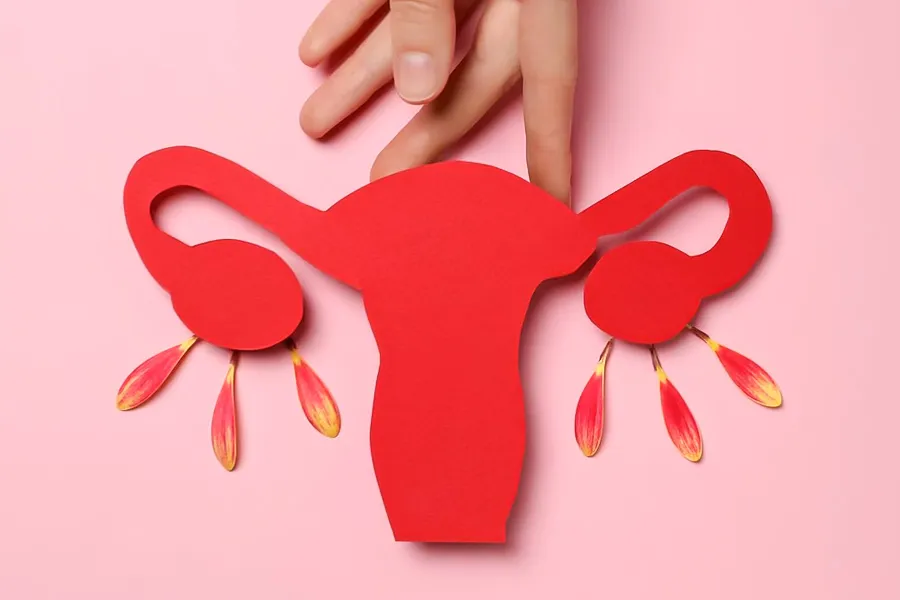
Why Personalised Menopause Care Needs Better Diagnostics
Fatigue, low mood, brain fog and sleep disturbances are commonly associated with menopause. However, these symptoms can also be linked to other health conditions, including thyroid disorders, anaemia and vitamin deficiencies. When every symptom is automatically attributed to menopause, there is a risk of overlooking other underlying concerns. A more personalised approach combines a woman's symptom history with appropriate clinical assessments and investigations. Depending on her symptoms, medical history and individual risk factors, this may include evaluating thyroid function, iron levels, blood sugar, cholesterol and bone health. These assessments can help healthcare professionals distinguish between overlapping causes and make more informed decisions about care.
The objective is not to subject every woman to the same set of tests. Instead, diagnostic decisions should reflect her individual needs and clinical circumstances. Wearable technology can provide another layer of insight. Devices that track sleep, heart rate and temperature trends may help women identify patterns over time. Someone struggling to explain persistent exhaustion, for instance, may find it useful to review changes in sleep quality across several weeks.
Although wearables cannot diagnose menopause-related conditions, the information they collect can support more informed discussions with healthcare professionals.
Can Artificial Intelligence Improve Menopause Management?
Artificial intelligence (AI) has significant potential to make menopause care more individualised. One of its most promising applications is recognising patterns across different sources of information. By bringing together a woman's symptom diary, relevant test results, sleep patterns, lifestyle habits and medical history, AI-assisted tools could help identify connections that might otherwise be difficult to recognise. Instead of considering each symptom in isolation, these systems could help practitioners identify areas that warrant closer assessment.
For example, a combination of reported symptoms, family history and relevant health indicators could prompt a healthcare professional to evaluate a woman's bone or cardiovascular health more closely. Digital tools could also help track changes over time, making follow-up consultations more focused on symptom progression, treatment response and emerging concerns. AI can further support women by helping them maintain symptom records, prepare questions for appointments and receive reminders about follow-up care. However, AI should complement medical expertise rather than replace it. While algorithms can organise information and flag potential patterns, they cannot independently establish the full clinical context of a woman's experience. Diagnosis and treatment decisions must remain grounded in clinical judgement, appropriate evidence and individual needs.
Why AI Menopause Tools Must Understand Indian Women
A major challenge in developing personalised menopause technology is ensuring that it reflects the diversity of the women who will use it. Tools trained predominantly on Western populations may not fully account for the experiences of Indian women, including differences in dietary patterns, cultural expectations, family responsibilities, healthcare access and attitudes towards ageing and menopause. Many women continue to prioritise their families and professional responsibilities over their own health. Others may find it difficult to discuss intimate symptoms or lack the vocabulary to describe what they are experiencing. Language is another important consideration. A digital health tool that operates only in English risks excluding women who would benefit from support in Hindi and other Indian languages. For AI to make a meaningful difference, it must be developed and evaluated with diverse populations in mind. It should recognise cultural context without making assumptions about individuals and communicate in ways that feel accessible, respectful and relevant.
What About Menstrual Data Privacy and Human Connection
As technology becomes more involved in women's healthcare, protecting personal information must remain a priority.
Menopause-related health data can include sensitive details about mood, sleep, sexual health, medical history and lifestyle. Women need clarity about how their information is collected, stored, used and shared. Informed consent, strong security measures and transparent data practices are essential to building trust.
There is also a risk that technology could make healthcare feel more impersonal. Women who have spent years feeling unheard should not have to navigate another system that reduces their experiences to scores, charts or automated recommendations.
A digital platform may identify a pattern, but it cannot automatically understand the emotional context behind it. Changes in sleep, for example, may be associated with hormonal symptoms, stress, caregiving responsibilities or several factors at once.
Human involvement is therefore essential. Technology should help healthcare professionals ask better questions and listen more carefully, rather than create distance between practitioners and the women they support.

Integrating AI With a Holistic Approach to Menopause Health
A more comprehensive approach to menopause care can bring modern technology together with a holistic understanding of women's health.
Technology can help organise these different dimensions of a woman's experience. A symptom diary may reveal that poor sleep coincides with periods of heightened stress, while lifestyle tracking may help identify changes in physical activity or daily habits. The goal is not to force every aspect of health into an algorithm. It is to develop a more complete picture of the individual woman and use that understanding to support informed decisions. Recommendations relating to nutrition, exercise, stress management and medical treatment should always be tailored to individual needs and guided by relevant evidence.
The Future of Personalised Menopause Care in India
The future of menopause care lies in combining technology's ability to gather and organise information with the empathy and clinical judgement of trained professionals. This could mean more accessible telehealth consultations, appropriate diagnostic assessments, useful wearable data and carefully designed AI tools working together to support individualised care plans. It would also mean protecting privacy, accounting for cultural and linguistic differences, and ensuring that women remain active participants in decisions about their health. Such an approach could help address the gap between urban and smaller-town healthcare access. A woman living in a small town should have the opportunity to receive the same quality of understanding and guidance as someone living in a major metropolitan centre.
Conclusion
Menopause care has remained largely one-size-fits-all for decades, partly because standardised approaches have been easier to deliver. Technology offers an opportunity to improve this model, provided automation is not mistaken for personalisation. The hot flash is often the most visible sign of menopause, but it is only one part of a much larger story. Beneath it are changes in sleep, mood, energy, metabolism, bone health and overall wellbeing. Ultimately, the future of menopause care will not be defined by how much technology is used, but by whether women feel better understood, better supported and better equipped to make informed decisions about their health.
(Image Credits: Magnific)
Stay tuned to read more such stories on Her Zindagi.
- How does telehealth improve menopause care?
- Telehealth removes travel barriers, making it easier for women to consult healthcare professionals about midlife health changes.
- Can AI replace doctors in menopause management?
- No, AI complements healthcare professionals by identifying symptom patterns, but clinical decisions still require human judgment.
- Why are diagnostics necessary during menopause?
- Diagnostic assessments help rule out overlapping conditions like thyroid disorders or vitamin deficiencies that share symptoms with menopause.
Our aim is to provide accurate, safe and expert verified information through our articles and social media handles. The remedies, advice and tips mentioned here are for general information only. Please consult your expert before trying any kind of health, beauty, life hacks or astrology related tips. For any feedback or complaint, contact us at compliant_gro@jagrannewmedia.com.