
Breaking The Silence: Why Daughters-In-Law Become Default Caregivers To Ageing Parents
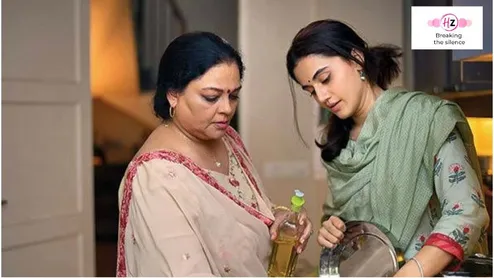
In many households across traditional and modern societies, a subtle yet persistent dynamic plays out as parents age: the responsibility of daily caregiving disproportionately falls on the daughter-in-law. While adult sons often manage financial matters or official administrative duties, the hands-on, daily care, ranging from preparing specialised meals and tracking medications to offering constant emotional support is frequently assumed by the woman who joined the family through marriage.
Understanding why this dynamic exists requires examining long-standing social expectations, domestic habits, and gender roles that continue to shape family structures.
Deep-Rooted Cultural and Gender Expectations
From an early age, social structures often socialise women into nurturing and caretaking roles. When a woman enters a new household, implicit societal norms often dictate that looking after her spouse’s parents is a primary domestic duty.
Even in contemporary setups where daughters-in-law maintain demanding, full-time careers, these traditional expectations rarely vanish completely. Instead, caregiving becomes an additional unpaid layer of responsibility, operating on the unspoken assumption that home care is naturally a woman's domain.
The Invisible Load of Daily Care
Caregiving for aging family members is a continuous commitment. Unlike structured employment or formal care services, informal domestic caregiving lacks clear boundaries, leading to significant physical and mental exhaustion:
Constant On-Call Status: Managing routine tasks, medical appointments, and sudden health crises leaves little time for personal recovery.
Emotional Strain: Balancing individual aspirations, career demands, and personal space while tending to elderly family members creates quiet stress.
Unrecognised Effort: Because these duties are framed as standard domestic expectations, the effort involved is often overlooked as routine household management rather than active labor.
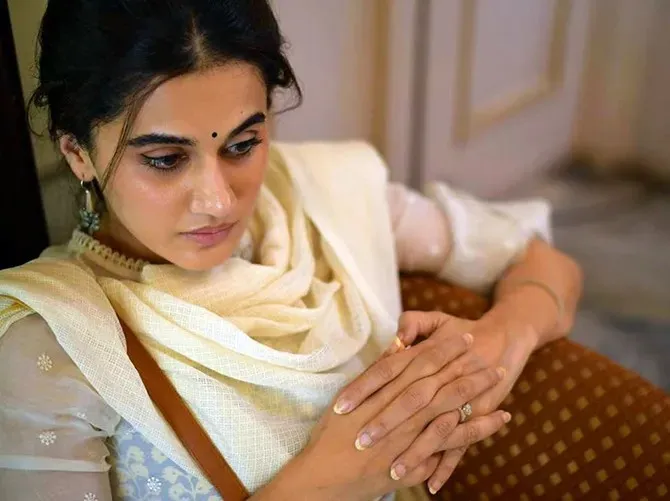
Shifting Toward Shared Responsibility
Addressing this imbalance does not imply neglecting aging family members; rather, it emphasises sharing care equitably across the entire family.
Direct Communication: Couples should proactively discuss care plans rather than allowing tasks to fall on one person by default.
Active Involvement: Sons and other family members need to take on direct, hands-on caregiving tasks alongside administrative or financial roles.
Utilising External Support: Normalising professional home-care services or part-time assistance helps prevent caregiver burnout.
Building a balanced home environment starts with recognising caregiving as a collective family effort, rather than an automatic obligation assigned to daughters-in-law.
(Disclaimer: The content of this article is based on general social observations and basic analysis. It does not contain professional, expert, or medical inputs.)
(Image Credits: IMDb)
Stay tuned to read more such stories on HerZindagi.
- Why are daughters-in-law often expected to be primary caregivers?
- Deep-seated societal gender roles and cultural expectations traditionally assign domestic and nurturing tasks to women in the family.
- How does default caregiving affect daughters-in-law?
- It creates an invisible physical and mental load, leading to caregiver burnout, emotional strain, and personal exhaustion.
- How can families share elder caregiving duties more equitably?
- Families can promote open communication, involve sons directly in hands-on care, and utilize professional home-care support services.
Our aim is to provide accurate, safe and expert verified information through our articles and social media handles. The remedies, advice and tips mentioned here are for general information only. Please consult your expert before trying any kind of health, beauty, life hacks or astrology related tips. For any feedback or complaint, contact us at compliant_gro@jagrannewmedia.com.