5 Beginner-Friendly Exercises For A Stronger Spine
A strong spine is the foundation of good posture, pain-free movement, and overall physical resilience. For beginners, the journey to a healthier back doesn't require heavy lifting; it starts with simple, deliberate movements that activate key stabilising muscles.
5 beginner-friendly exercises to build a stronger spine
These five exercises are designed to gently improve spinal mobility, strengthen the deep core muscles, and build endurance in the stabilising muscles of the lower and upper back, ensuring you can support your spine safely and effectively, according to Dr Arun Bhanot, Director, Spine Surgery, CK Birla Hospital, Gurugram.
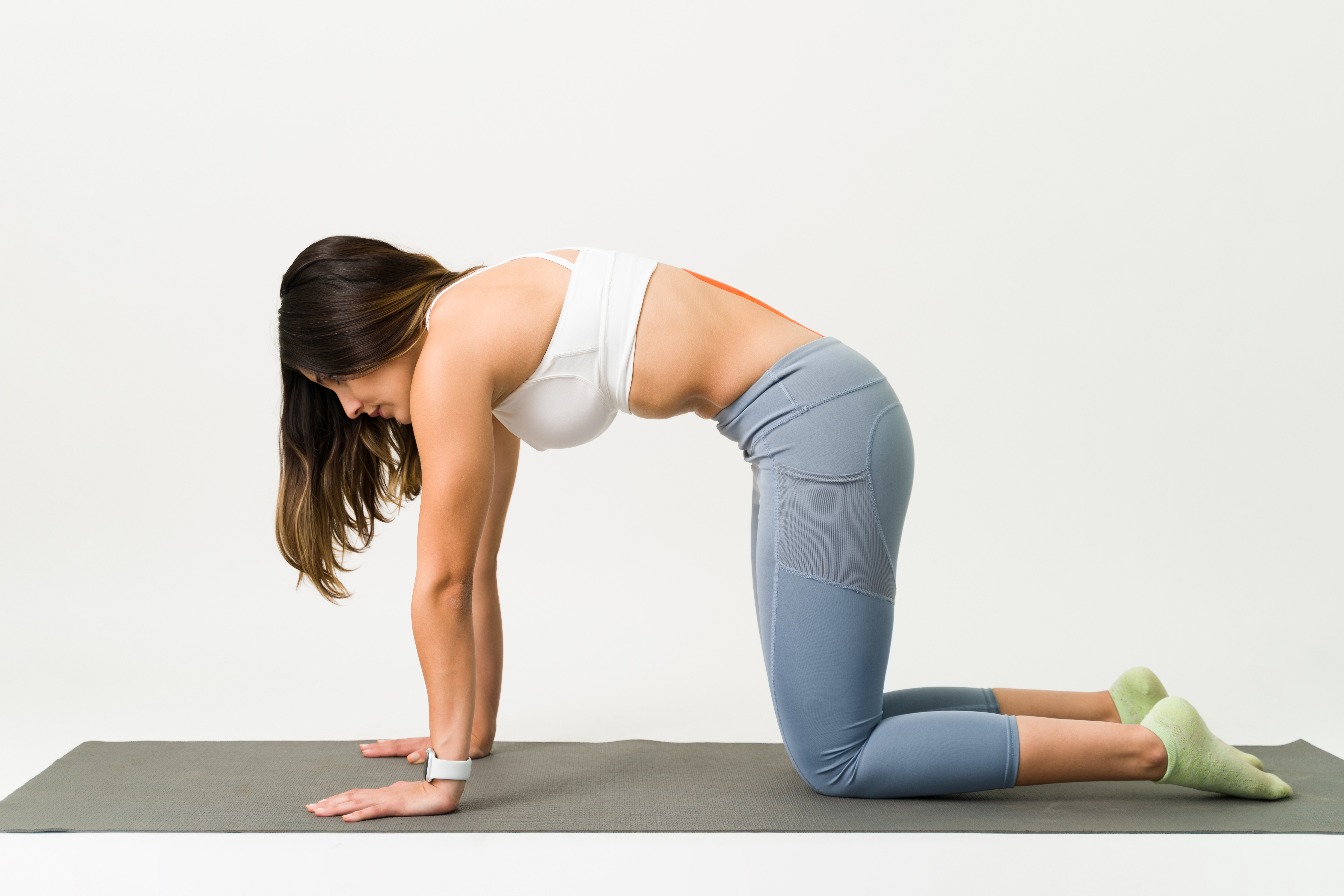
1. Cat-Camel Stretch
The Cat-Camel is a fundamental movement used to mobilise the entire spine, making it an excellent warm-up or cool-down exercise. This dynamic stretch improves spinal mobility and helps alleviate generalised stiffness throughout the back.
Steps:
- Start on your hands and knees in a tabletop position, with your hands directly beneath your shoulders and knees beneath your hips.
- Cat pose: As you exhale, slowly arch your back upward toward the ceiling, tucking your chin toward your chest and drawing your navel toward your spine.
- Camel pose: As you inhale, drop your belly toward the floor, lift your head, and gently arch your lower back.
- Repeat this movement 10–12 times, ensuring the motion is slow, fluid, and controlled.
Don't miss: These 5 Yoga Poses Will Ease Your Back Pain
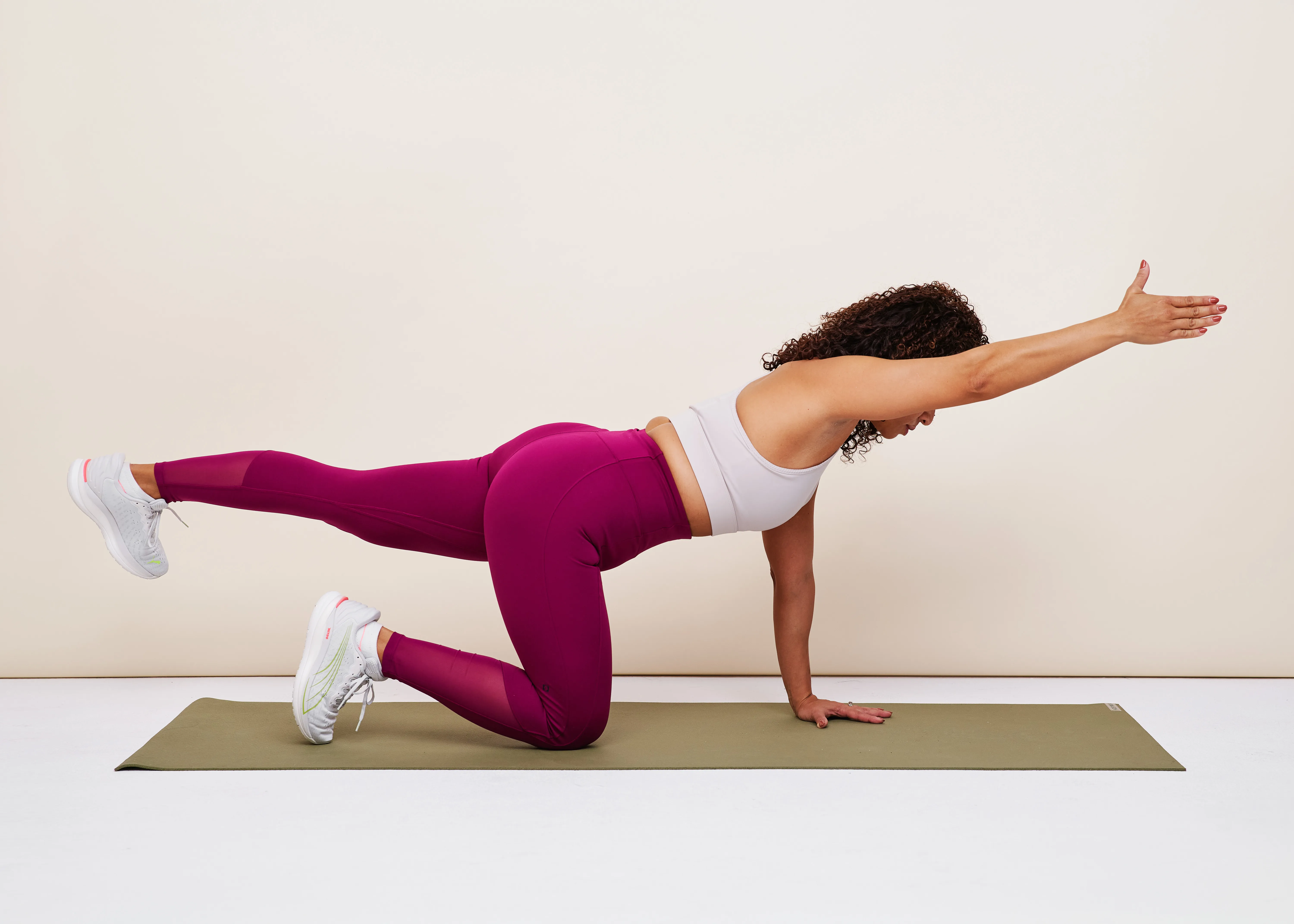
2. Bird-Dog
The Bird-Dog is a cornerstone exercise for core stability and is frequently recommended by physical therapists for lower back care. This move effectively strengthens the deep core muscles, glutes, and lower back stabilisers while improving balance.
Steps:
- Begin in the same hands-and-knees tabletop position.
- Engage your core to keep your hips level and stable.
- Slowly extend your right arm straight forward and your left leg straight back, keeping both parallel to the floor. Avoid raising the leg higher than the hip.
- Hold the extended position for 3–5 seconds, focusing on maintaining stability.
- Return slowly to the starting position and switch sides, extending the left arm and right leg.
- Complete 10 repetitions on each side.
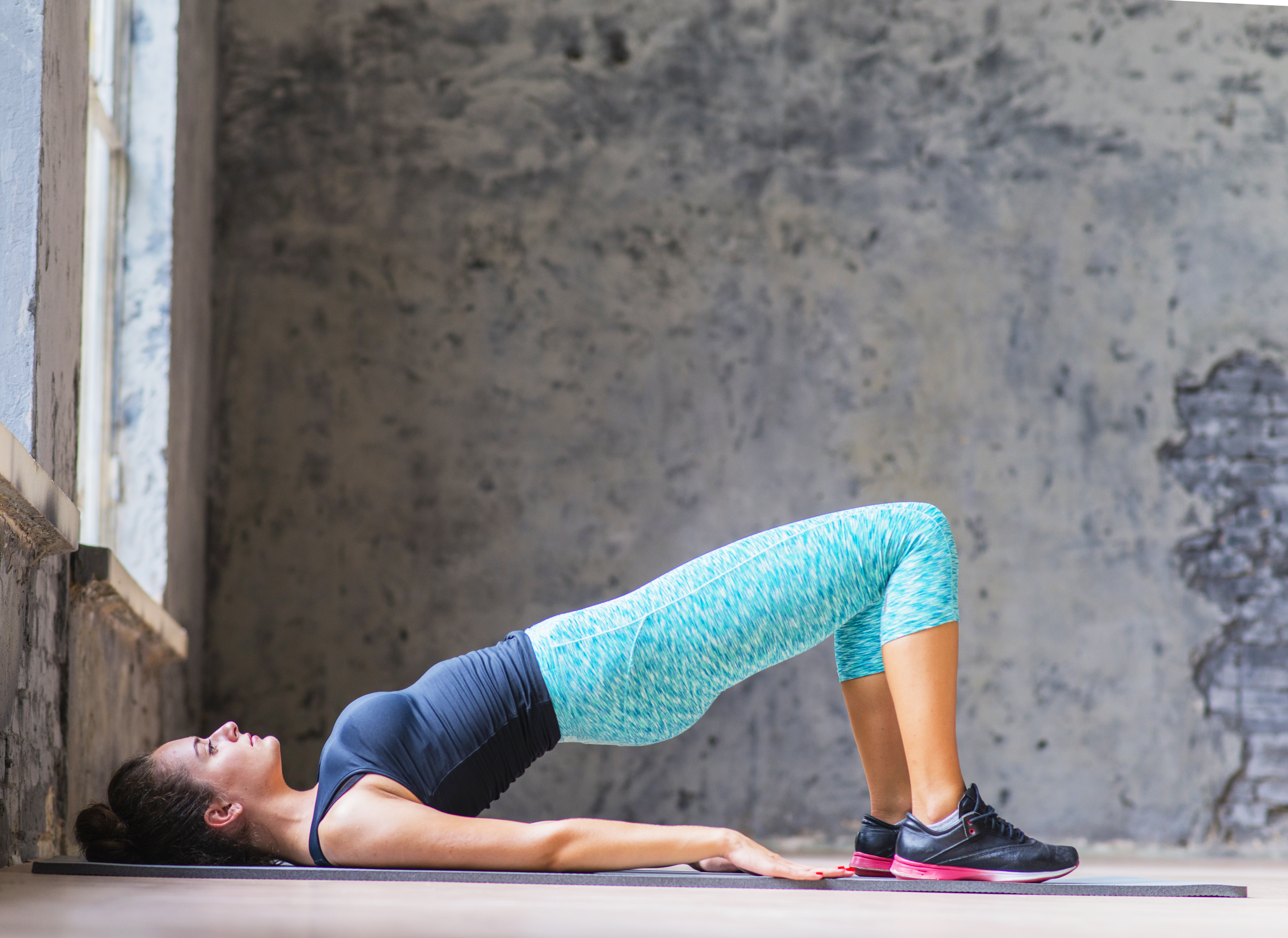
3. Glute Bridge
When the glutes (butt muscles) are weak, the lower back often takes on the excessive load, leading to strain. The Glute Bridge fixes this imbalance. It powerfully activates the glutes and hamstrings, which are essential for supporting the pelvis and reducing strain on the lower back.
Steps:
- Lie on your back with your knees bent and feet flat on the floor, hip-width apart. Your arms should rest straight along your sides.
- Pressing through your feet, lift your hips off the ground until your body forms a straight line from your shoulders to your knees. Avoid arching your lower back excessively.
- Hold the peak position for 5 seconds, squeezing your glutes firmly.
- Lower your hips slowly and with control back to the starting position.
- Repeat 12–15 times.
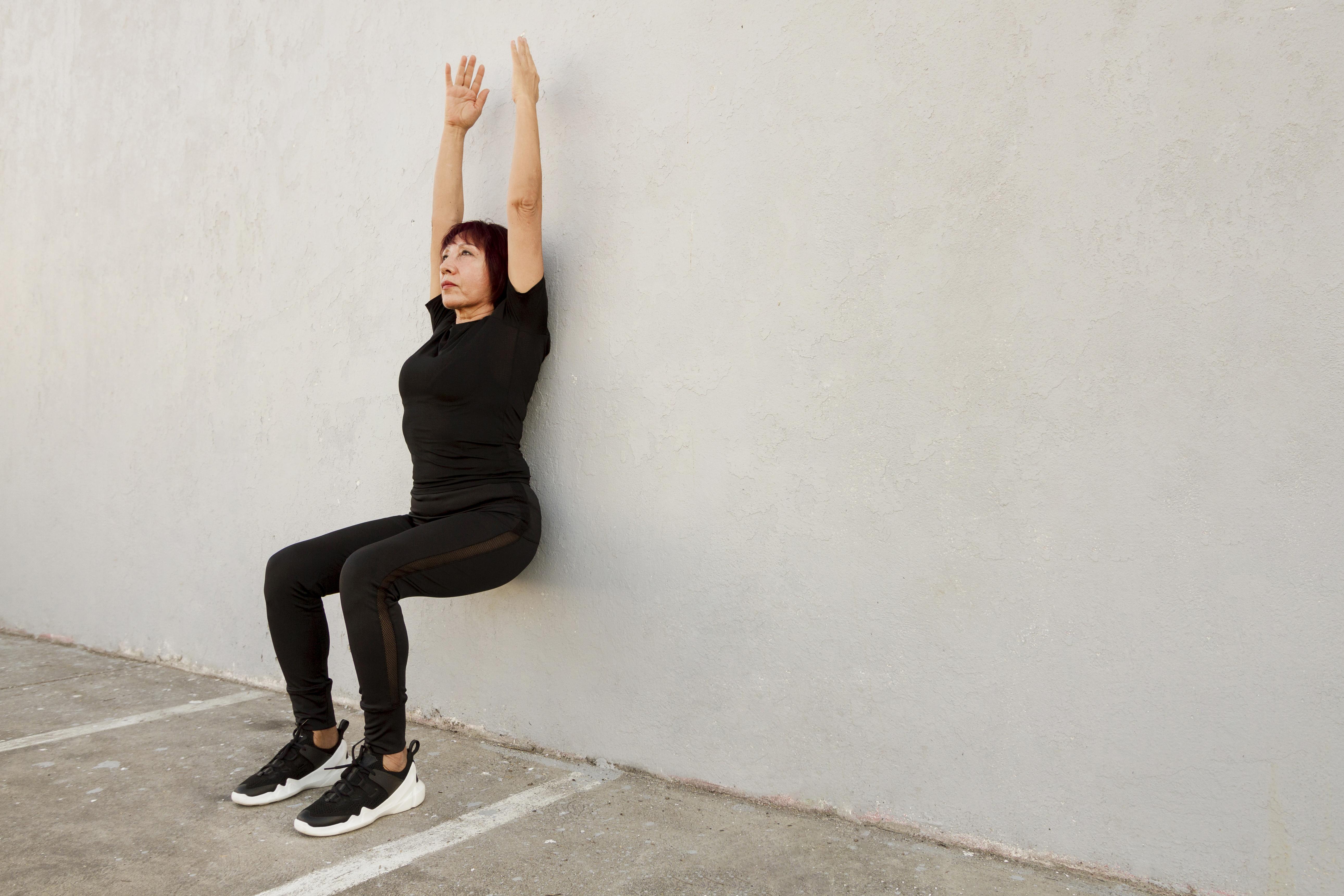
4. Wall Angels
Often overlooked, the Wall Angel is a superb movement for combating the forward-slumped posture common in desk workers. This exercise specifically improves posture, increases upper-back strength, and mobilises the shoulders and chest.
Steps:
- Stand with your back pressed flat against a wall, ensuring your head, shoulders, and hips are all touching the surface.
- Raise your arms to the sides, bending your elbows at a 90-degree angle (like a field goal post). Keep the back of your hands and forearms against the wall if possible.
- Slowly slide your arms overhead, attempting to keep your hands and elbows in contact with the wall, mimicking a snow angel movement.
- Slide your arms back down to the starting position.
- Repeat 10–12 times.
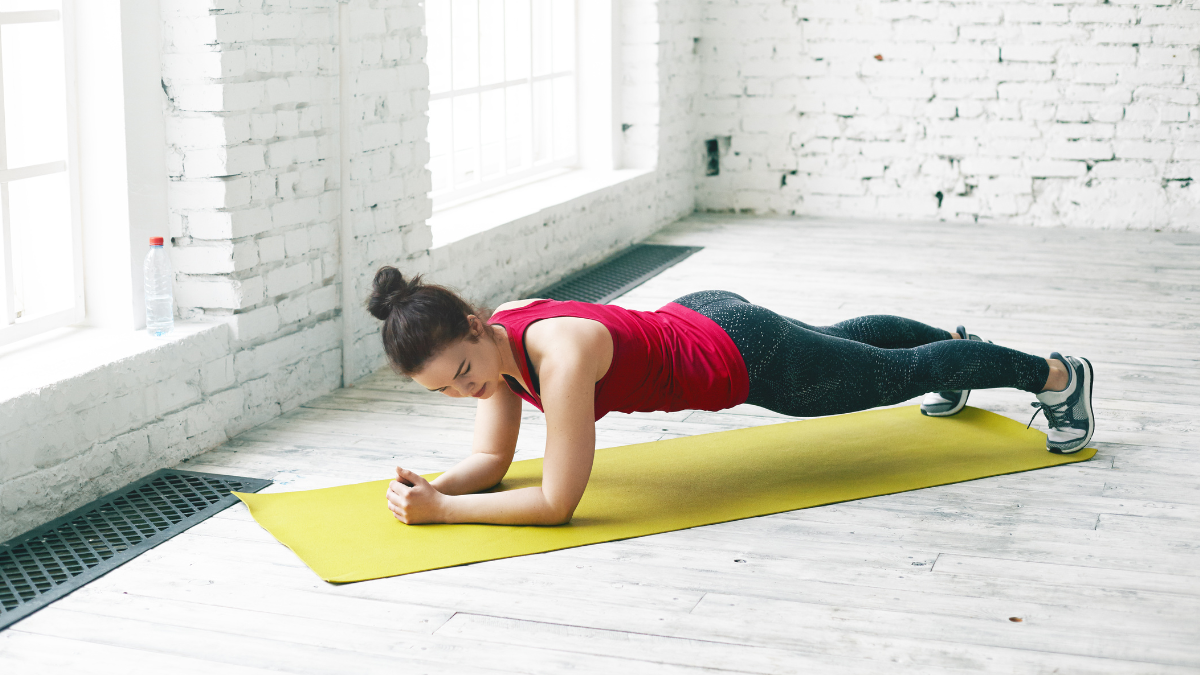
5. Plank (Knee or Full)
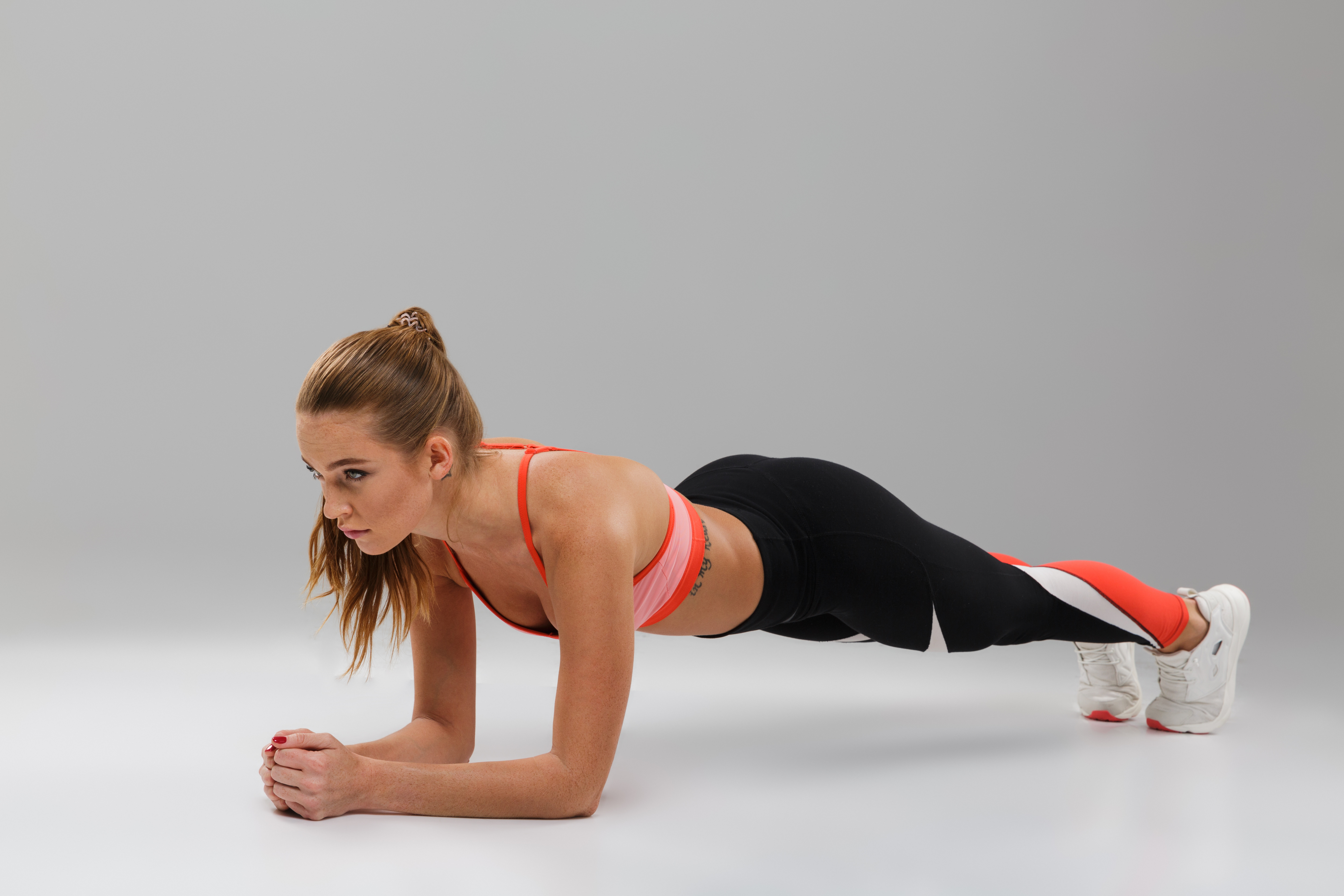
The Plank is the gold standard for developing total core strength, which directly translates to spinal support. It strengthens the deep core muscles (Transverse Abdominis) and overall abdominal endurance, providing a protective girdle for the spine.
Steps:
- Start either on your hands or your elbows.
- Beginner modification: If you are new to planks, start on your knees, maintaining a straight line from your head to your knees.
- Full plank: Progress to a full plank position, balancing on your toes and forearms/hands, maintaining a straight line from head to heels.
- Engage your core, squeeze your glutes, and avoid letting your hips sag or rise too high.
- Hold the position for 10–20 seconds initially. As you get stronger, gradually increase the hold time to 30–40 seconds.
Always listen to your body. “If you feel any sharp or increasing pain during these exercises, stop immediately and consult a physical therapist or healthcare professional. Consistency is more important than intensity when starting a spinal strengthening routine,” concludes Dr Bhanot.
Don't miss: Have A Sedentary Lifestyle? 4 Ways To Keep Your Posture Right And Neck Straight
Image courtesy: Freepik
For more such stories, stay tuned to HerZindagi.
Also watch this video
Herzindagi video