
What Makes Malabar Parotta So Flaky? The Technique Behind Kerala's Layered Bread
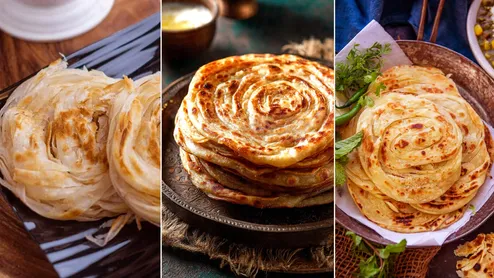
Tear open a hot Malabar parotta and the layers come apart like pages of a book. That flakiness is not luck. It comes from a soft maida dough, plenty of oil and a lot of stretching and folding. The final clap before serving does the rest. It looks complex but the idea is simple. Soft dough, thin layers and hot tawa.
Secret Tip To Make Malabar Parotta Flaky Each Time
1. Make The Dough Soft And Stretchy
It starts with maida, water, salt and a little sugar. Many cooks also add a splash of milk or an egg. The dough is kneaded well and then rested, often for a few hours. Resting relaxes the gluten, which is what lets the dough stretch paper-thin later without tearing.
ALSO READ- Buying Packaged Diwali Sweets? 7 Dangerous Red Flags to Spot On The Label First
2. Create Layers
The dough is divided into balls and soaked in oil before it is rolled out. Oil keeps each layer from sticking to the next. When the parotta hits the heat, those thin oiled layers puff apart and cook separately. That is where the flaky bite comes from.
3. Make The Dough Thin
Each ball is flattened and then stretched out until it is almost see-through. Parotta makers often swing it in the air like a sheet. Thinner dough means more layers once it is folded, and more layers means more flakiness.
4. Fold and Coil the Parotta
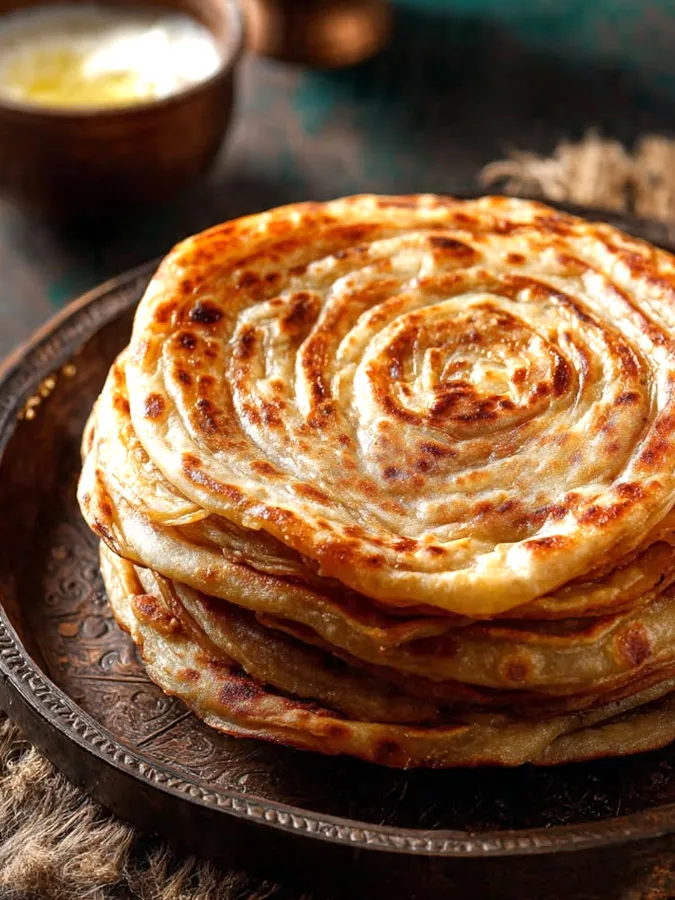
The thin sheet is pleated like a fan or folded in loose ripples. Then it is rolled into a coil, like a small snail shell. The coil is rested again for a few minutes. This second rest keeps the layers soft and makes the final rolling easier.
ALSO READ- Coffee At -86°C? This Unusual Surat Cafe Drink Has The Internet Talking
5. Put it on the Tawa
The coil is pressed down lightly and cooked on a hot tawa with some oil. It is flipped a few times until golden brown patches show up on both sides. A high flame matters here. It cooks the layers quickly and keeps them from turning dry or chewy.
6. Clap The Parotta at The End
This is the step everyone remembers. The hot parotta is pushed in from both sides and beaten between the palms. The layers separate and fluff up. It also loosens the steam trapped inside, so the parotta stays soft instead of turning stiff.
Can You Make Malabar Parotta At Home?
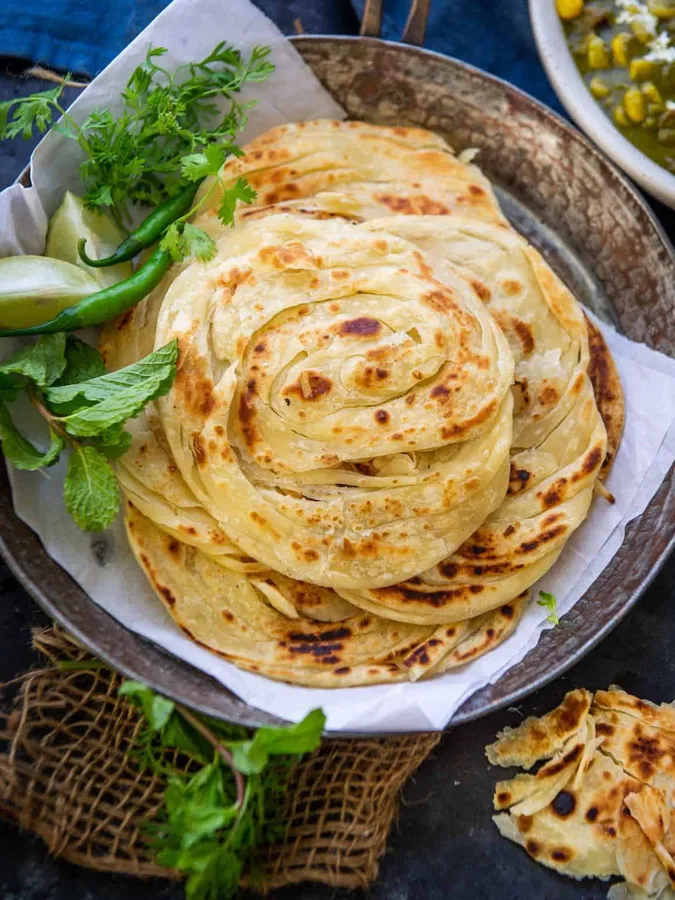
You can, but it takes some practice. Use a good amount of oil, rest the dough properly and stretch it slowly. Do not rush the folding. Most of the flakiness depends on those small steps. Serve it hot with a Kerala-style curry and it tastes like the real thing.
Conclusion
Malabar parotta looks simple, but every step has a job. The rest softens it, the oil separates it, the stretch thins it and the clap fluffs it. Get these four right and the layers will follow.
(Image Credits: Pinterest)
Stay tuned to read more such stories on Her Zindagi.
- Why is Malabar Parotta so flaky and layered?
- Malabar parotta is flaky because of its maida dough, oil soaking, and stretching technique.
- What is the difference between Malabar Parotta and normal paratha?
- Malabar parotta is made with maida, is flaky and layered, and is folded and coiled before cooking.
- Can I make flaky Malabar Parotta at home without egg?
- Yes. Egg and milk are optional. The main things are kneading a soft dough, resting it for at least 2 hours, using enough oil to soak and stretch the balls, stretching it very thin, and cooking it on high flame. Resting the dough properly is what makes it stretch without tearing.
Our aim is to provide accurate, safe and expert verified information through our articles and social media handles. The remedies, advice and tips mentioned here are for general information only. Please consult your expert before trying any kind of health, beauty, life hacks or astrology related tips. For any feedback or complaint, contact us at compliant_gro@jagrannewmedia.com.