
Buying Packaged Diwali Sweets? 7 Dangerous Red Flags to Spot On The Label First
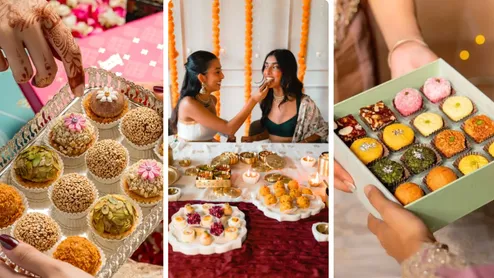
Diwali shopping means gift boxes stacked at every counter. Soan papdi, kaju katli, laddoos, barfis. They all look pretty. But the box is not the thing to judge. The label is. There's a reason the phrase, "Don't judge a book by its cover," exists. Fancy boxes can hide old stock, low-quality ingredients, or lots of added sugar and palm oil. The pretty cover pulls you in but the small print on the back tells the real story about what you are actually gifting and eating. Here are 7 label details to check, from the FSSAI number to ingredients and best-before date, before you pay.
7 Things To Check Before Buying Packaged Sweets This Diwali 2026
Here are 7 things on food labels and what to look for before buying packaged sweets.
1. Check The Manufacturing And Best Before Date
Start here. Every packaged sweet should carry a manufacturing or packing date and a best before date. Milk-based sweets like eda or rasgulla do not last long. Dry fruit sweets last a bit longer. If the date is missing, smudged or looks stuck on, put the box back.
Also look at how much time is left. A box that expires in two days is not a good gift to carry to someone's house.
2. Look for the FSSAI License Number
Look for a 14-digit FSSAI number on the pack. It means the brand is registered to sell food. No number, no purchase. It is that simple. A quick tip is that the number should be printed clearly, and not just as a logo with a blurry line next to it.
3. Read The Ingredients List From The Top
Ingredients are listed from the highest quantity to the lowest. So the first item tells you what the sweet is mostly made of.
If your kaju katli lists sugar first and cashew later, you are paying for a sugar sweet. If the box says "made in pure ghee", check that ghee actually shows up in the list. Words like vanaspati, hydrogenated fat or palm oil mean it is not pure ghee, whatever the front of the box says.
ALSO READ- Why Do Indian Sweets Have Silver Foil On Top? Know The Real Story Behind Chandi Vark
4. Watch Out For Colours, Flavours And Preservatives
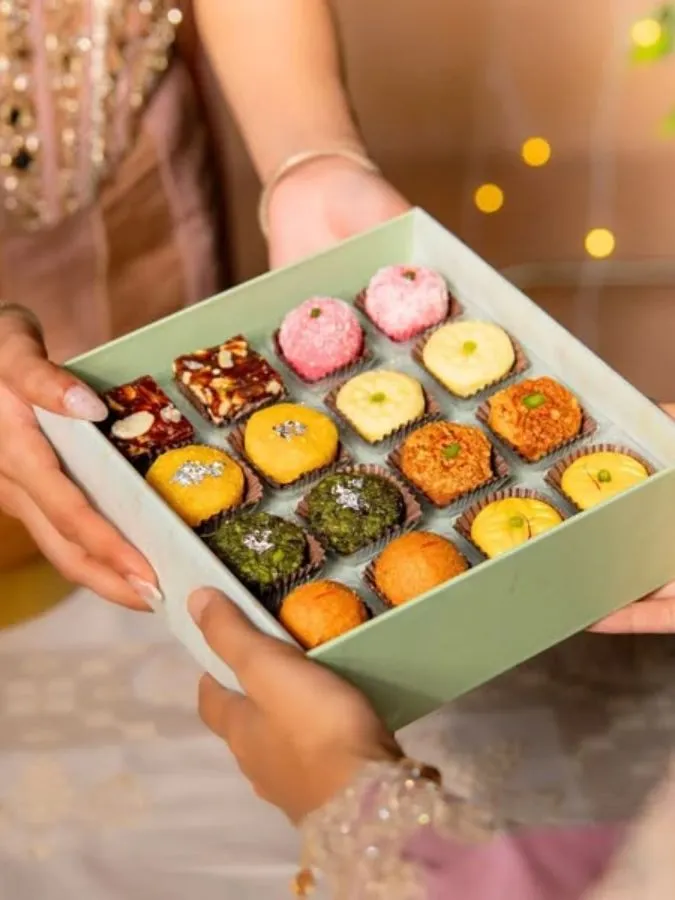
Bright orange jalebi-style sweets and glowing green pistachio barfis often get their shine from added colours. You will find them mentioned on the label as "added colour" or as a code starting with INS.
A few of these colours are allowed within limits. However, a long list of codes is a sign that the sweet is more factory-made than kitchen-made. A shorter ingredient list is usually a better sign.
5. Do Not Skip The Nutrition Table
Nobody wants to count calories on Diwali. Still, one glance at the table helps. Check the serving size first. Many boxes show values per 100 g, but you will eat maybe 30 g. Then look at sugar, saturated fat and trans fat. Also, if you are buying for parents or grandparents with sugar or heart concerns, this one step matters more than the rest.
6. Read The Allergen Warning
Most Indian mithai has nuts like cashews, almonds and pistachios. Some also use wheat, milk or sesame. The allergen line is usually in bold near the ingredients, saying "contains" or "may contain".
ALSO READ- Coffee At -86°C? This Unusual Surat Cafe Drink Has The Internet Talking
This is not a small detail if a guest or child at your home has a nut allergy. Check it before the box goes into a gift hamper.
7. Compare The MRP And Net Weight
Gift boxes can be clever. A bigger box does not always mean it contains more sweets. Often, a large portion of the box is taken up by a plastic tray and a decorative layer or cloth. Always check the net weight printed on the pack and then compare it with the price.
For example, a 500-gram box priced at Rs 600 and a 250-gram box priced at Rs 350 are not priced the same, even if the second one looks fancier. Also, make sure that the new price is not stuck over an older MRP sticker.
Small Idea For Festive Shopping
Always buy from a shelf that is cool and clean, and not placed under a bright light or near a hot display. Press the box gently before you pick it up. If it looks puffed up or the seal is open, you should leave it on the shelf. And if a sweet smells even slightly sour, it is not worth the risk. Diwali is meant to be celebrated with family, and not for dealing with a stomach upset.
Image Credits: Pinterest
If you liked this story, then please share it. To read more such stories, stay connected to HerZindagi.
- How can I check if packaged Diwali sweets are safe to eat?
- Always check the label first. Look for the manufacturing date, expiry or best before date, FSSAI license number, full ingredient list, veg symbol and complete address of the manufacturer.
- What is the most common adulteration seen in Diwali sweets?
- During Diwali, common issues are use of old or reused oil, excessive artificial colours, silver foil made of aluminium instead of real silver, and khoya or mawa made with starch or palm oil.
- Is it safer to buy loose sweets from a halwai or packaged sweets from a store for Diwali?
- Both can be safe if bought from a trusted and hygienic shop. Packaged sweets are better because they come with a label that shows the expiry date, ingredients and FSSAI number, so you can verify what you are buying. For loose sweets, always buy from a clean shop with high daily sales, check how the sweets are stored, and try to consume them within 1 to 2 days.
Our aim is to provide accurate, safe and expert verified information through our articles and social media handles. The remedies, advice and tips mentioned here are for general information only. Please consult your expert before trying any kind of health, beauty, life hacks or astrology related tips. For any feedback or complaint, contact us at compliant_gro@jagrannewmedia.com.