

Varanasi, popularly known as Kashi, is considered the Spiritual Capital of India, or the religious heartland of the country. This title is based on its great religious importance, unrivalled antiquity, and intimate relation with the Hindu ideas of life, death, and salvation.
Here are the major reasons why Varanasi possesses this unique title:
Varanasi is one of the world's oldest continuously inhabited cities, dating back approximately 3000 years, predating Athens and Rome. As Mark Twain once put it, "Benares is older than history, older than tradition, older even than legend, and looks twice as old as all of them put together."
This continuum of civilisation means Varanasi has been a religious and cultural hub for thousands of years. Empires may come and go, but the rhythm of life along the Ganga in Varanasi, where it is nestled in prayer, ritual, and learning, remains largely unchanged, making it an eternal city.
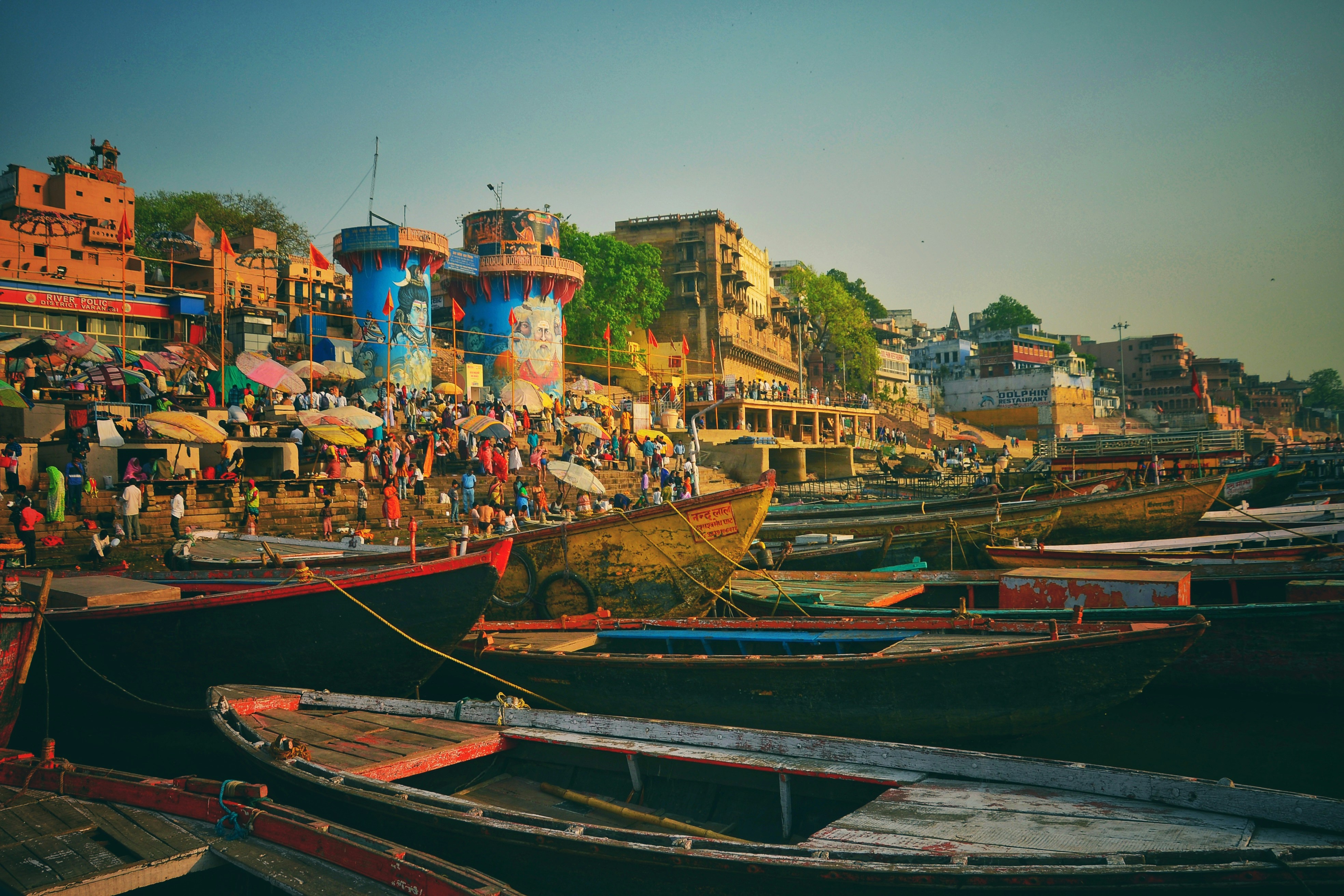
The city stands on the western bank of the river Ganga, which Hindus consider the holiest river anywhere on Earth, worshipped as the Goddess Ganga. The ghats in Varanasi are central to daily life and religious rites.
For devout Hindus, a dip in the Ganga at Varanasi is believed to wash away a lifetime of sins, that is, Moksha. The early morning and evening Ganga Aarti performed at the Dashashwamedh Ghat is a spectacular display of devotion that attracts millions every year.
Varanasi is unique in being the holiest place to die within the religion of Hinduism. Religious texts state that anyone who breathes their last within the spiritual boundaries of the city, known as Avimukta Kshetra, is liberated from the circle of reincarnation, or samsara, and achieves Moksha, or final salvation.
Manikarnika and Harishchandra Ghats are major cremation sites, where pyres always burn. These active cremation sites, with their life and death rituals occurring in parallel, signify the acceptance of the full cycle of existence: from birth to liberation.
Don't miss: Varanasi Travel Tips: How To Experience The City Like A Local?
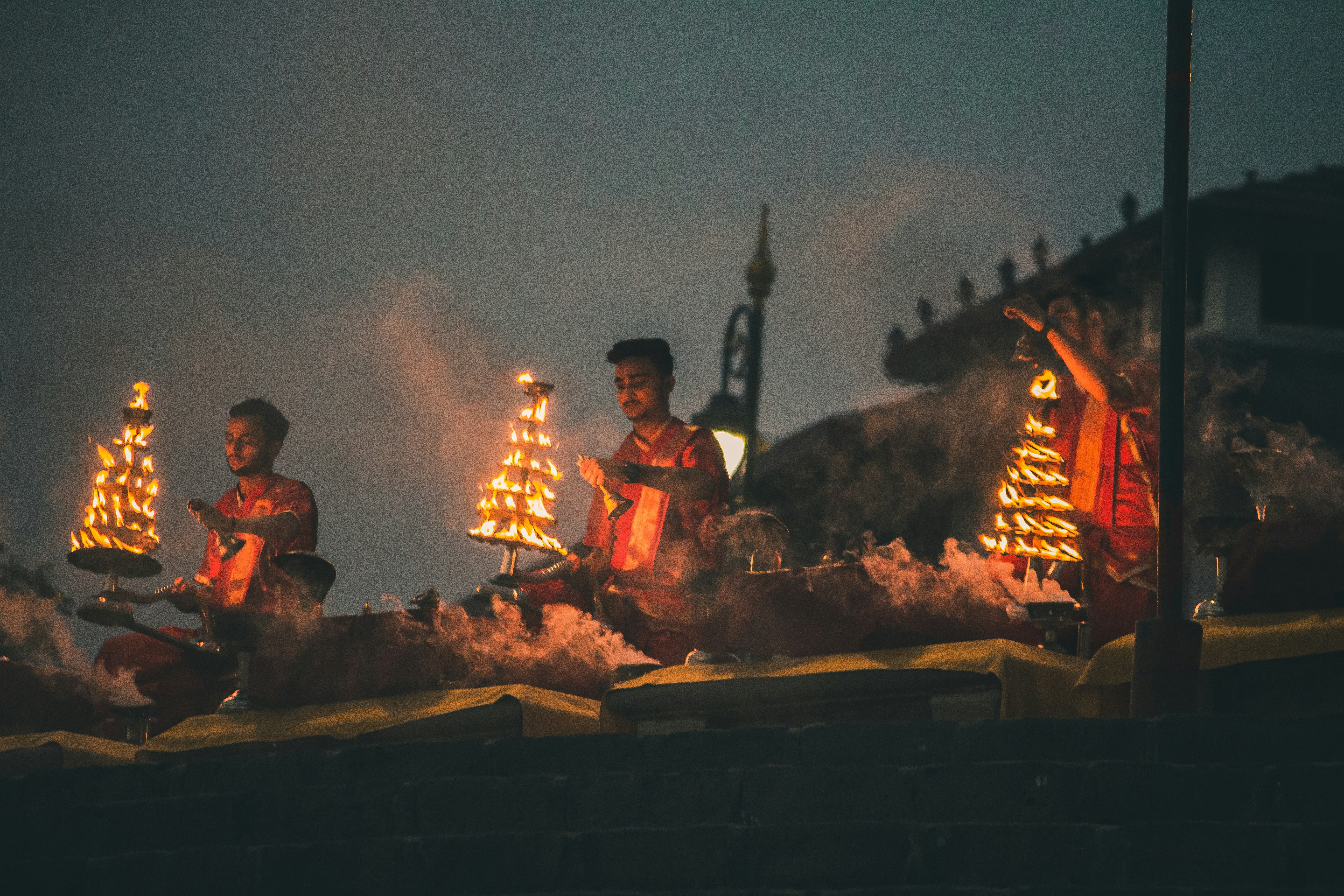
Varanasi is the abode of Lord Shiva, the Hindu God of destruction and transformation; hence, it is often termed as 'Shiv ki Nagri' or the ‘City of Shiva’.
One of the most sacred pilgrimage sites is the Kashi Vishwanath Temple, dedicated to Shiva as the 'Lord of the Universe' or Vishwanath. Being one of the twelve Jyotirlingas (lingams of light), it is considered the cornerstone of Shaivism, or the worship of Shiva.
Historically, Varanasi has not only been a religious hub but also a significant centre of education and culture where intellectual pursuits have been fostered.
Here, many scholars and saints spent their time, including the Buddha and Adi Shankaracharya. The city remains a bastion for the study of Sanskrit, philosophy, yoga, and astronomy. Varanasi is also famous for its classical music traditions, being the birthplace of the Banaras Gharana.
Its fine silk weaving industry is also world-renowned. Since it embodies the confluence of these five pillars: unbroken history, the sacred Ganga, the promise of Moksha, the presence of Lord Shiva, and a continuous tradition of learning, Varanasi remains the undisputed Spiritual Capital of India.
Don't miss: How to Explore Varanasi in 48 Hours
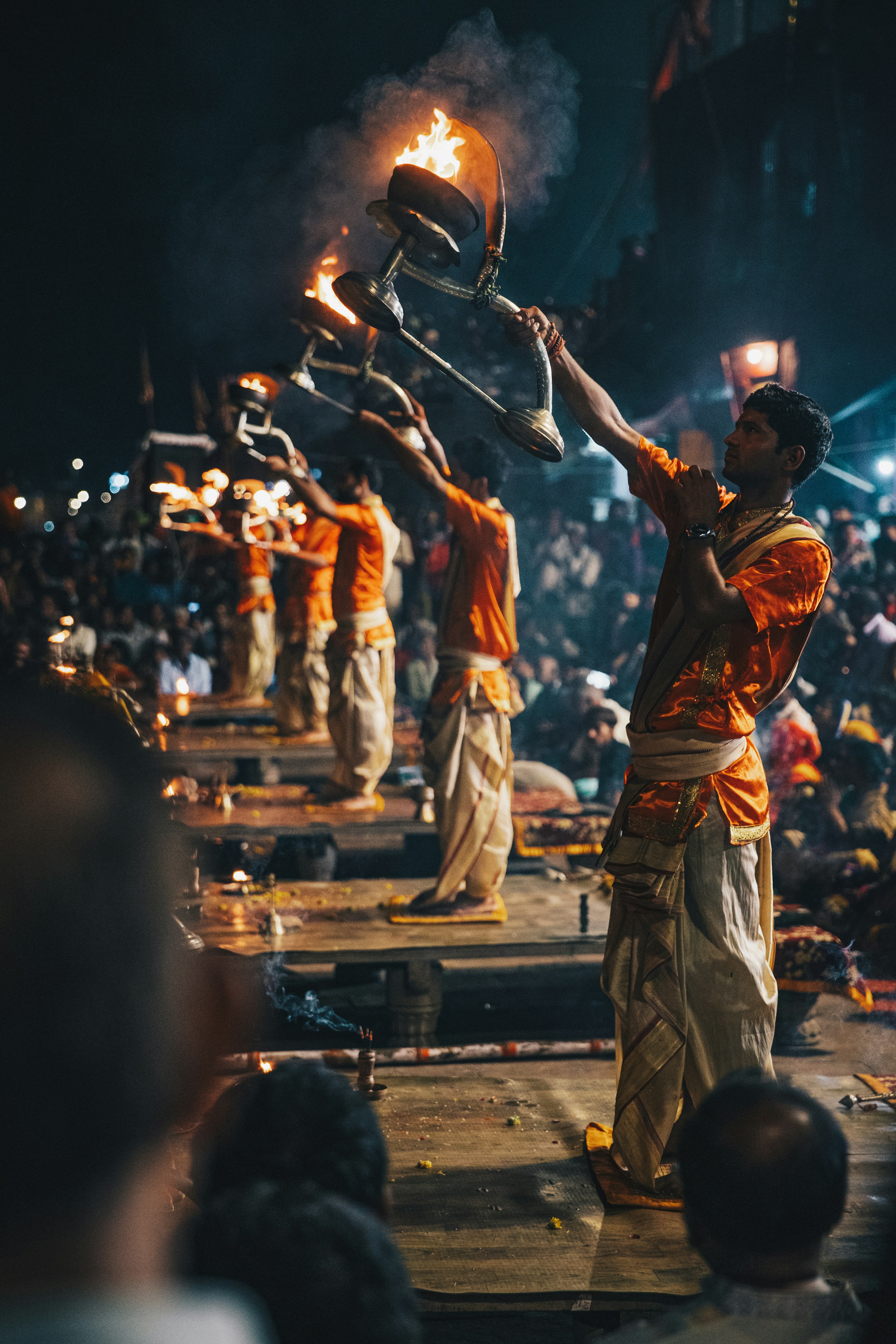
Image courtesy: Unsplash
For more such stories, stay tuned to HerZindagi.
Also watch this video
Herzindagi video
Our aim is to provide accurate, safe and expert verified information through our articles and social media handles. The remedies, advice and tips mentioned here are for general information only. Please consult your expert before trying any kind of health, beauty, life hacks or astrology related tips. For any feedback or complaint, contact us at compliant_gro@jagrannewmedia.com.