
Jejuri Temple Maharashtra: Why Muslims Also Worship Lord Khandoba At This 800-Year-Old Shrine
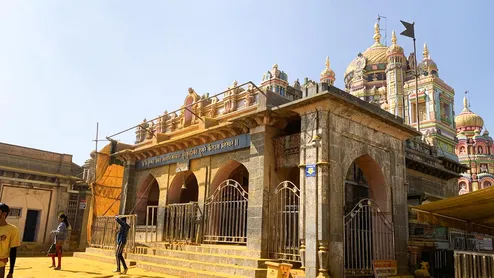
Jejuri Temple is a place of worship located atop a hill approximately 50 km away from the city of Pune and has been regarded as one of the most interesting interfaith temples in the country of India. The temple is a site of worship for God Khandoba, who has been regarded as an incarnation of Lord Shiva in the avatar of a warrior. It is an 800-year-old temple which sees the coming of millions of worshippers of various castes and religions.
The History and Sacred Heritage of Jejuri Temple
The historical background of Khandoba worship in Jejuri dates back to the 12th century. The most prominent temple fortress at Jejuri, Jejuri-gad, was built during the 17th and 18th centuries by Queen Ahilyabai Holkar and the kings of the Peshwa dynasty.
According to the mythological belief prevalent among the locals, Khandoba was seen in the form of Lord Shiva riding on a horse carrying a sword to slay the demonic brothers, Mani and Malla.
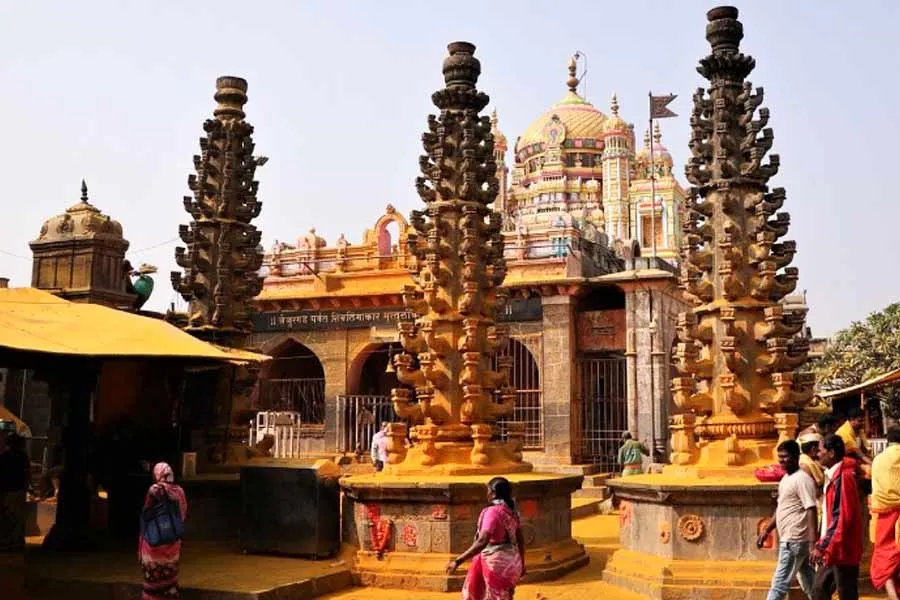
This beautiful temple, which is made in the traditional style of Hemadpanthi architecture, is made of stone and consists of about 200 steps, more than 350 Deep stambha lamps, and huge brass bells, which were seized from the Portuguese during the Battle of Vasai in 1739.
Khandoba is the Kuldevata of many diverse castes of Maharashtra like farmers, shepherds (Dhangars), soldiers, and nomadic tribesmen.
ALSO READ- How This Barmer Border Village Became a Global Hub for Unique Embroidery
How Muslim Devotees Worship Lord Khandoba
Among the most fascinating things about Jejuri Temple is its longstanding tradition of syncretism where the local Muslims worship Lord Khandoba as Mallu Khan or Ajmat Khan.
The local Muslims believe that Lord Khandoba is a protector god (pir-like) who showers his followers with blessings of good health and family prosperity.
As per regional folklore, in the Mughal invasion of Jejuri Fort, which was initiated by Emperor Aurangzeb, a swarm of wild bees appeared and attacked the soldiers who tried to destroy the fort walls. Realising that this act had a divine hand behind it, the emperor donated generously to the temple.
The local Muslim families actively take part in the temple festivals, prayers and chanting of ‘Yelkot Yelkot Jai Malhar.’
The Famous Turmeric Tradition of Jejuri
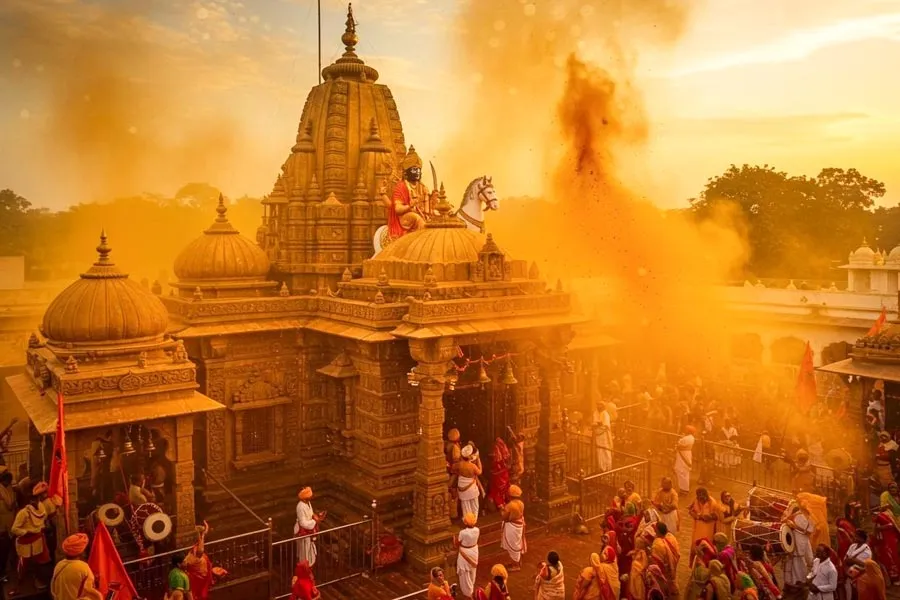
Bhandara, the famous Jejuri ritual, is a splendid celebration that is built on the widespread use of turmeric. During the ritual, tons of turmeric powder in bright yellow are sprinkled into the sky and literally wrapped in a golden blanket all over the stairs and courtyard of the temple and the pilgrims.
Turmeric symbolises purity, healing, wealth and also the sun-like energy of Lord Khandoba. The most spectacular manifestation of this ritual takes place during Somvati Amavasya (Monday new moon), when hundreds of people take part in the procession of palkhi (palanquin) of the deity to the Karha River and literally dye the whole city yellow.
ALSO READ- Why Kanpur, Jaipur, Rampur, Udaipur And Many Cities All End With ‘Pur’? Interesting Story Behind It
Conclusion
Jejuri Temple is much more than an old monument, for it represents a belief that goes beyond religions. With joint worship of Hindus and Muslims, along with the happiness brought by its turmeric rituals, this old temple keeps shining as a symbol of unity and heritage in Maharashtra.
Image credits: Instagram
To read more such stories, stay connected to Her Zindagi.
- Q1: Where is the Jejuri Temple located?
- The temple is situated on a hill in Jejuri town, Purandar taluka of Pune district, Maharashtra, approximately 50 kilometres from Pune city.
- Q2: Why do devotees throw turmeric powder at the Jejuri Temple?
- Turmeric symbolises purity, divine light, and prosperity associated with Lord Khandoba. Devotees throw it as an offering, giving the entire temple a golden yellow appearance.
- Q3: By what name do Muslim devotees address Lord Khandoba?
- Muslim devotees revere Lord Khandoba as Mallu Khan or Ajmat Khan, honouring him as a guardian deity.
Our aim is to provide accurate, safe and expert verified information through our articles and social media handles. The remedies, advice and tips mentioned here are for general information only. Please consult your expert before trying any kind of health, beauty, life hacks or astrology related tips. For any feedback or complaint, contact us at compliant_gro@jagrannewmedia.com.