
From Thekua to Kharna Kheer: Ancient Culinary Secrets Behind Chhath Puja's Sacred Feast
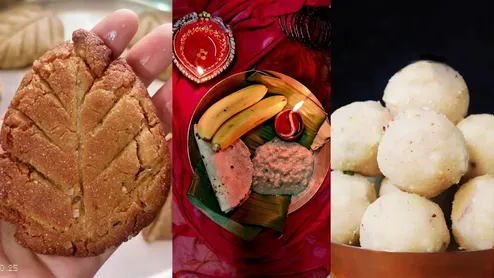
Chhath Puja celebrates devotion, gratitude, and harmony with nature. The festival’s historical roots trace back to the Vedic sun worship traditions, where offerings were prepared from seasonal harvests. This four-day festival also has pristine culinary traditions. Chhath’s delicacies such as Thekua, Kasar, and Rasiyaw Kheer are prepared, and they exemplify satvik purity.
Timeless Chhath Delicacies
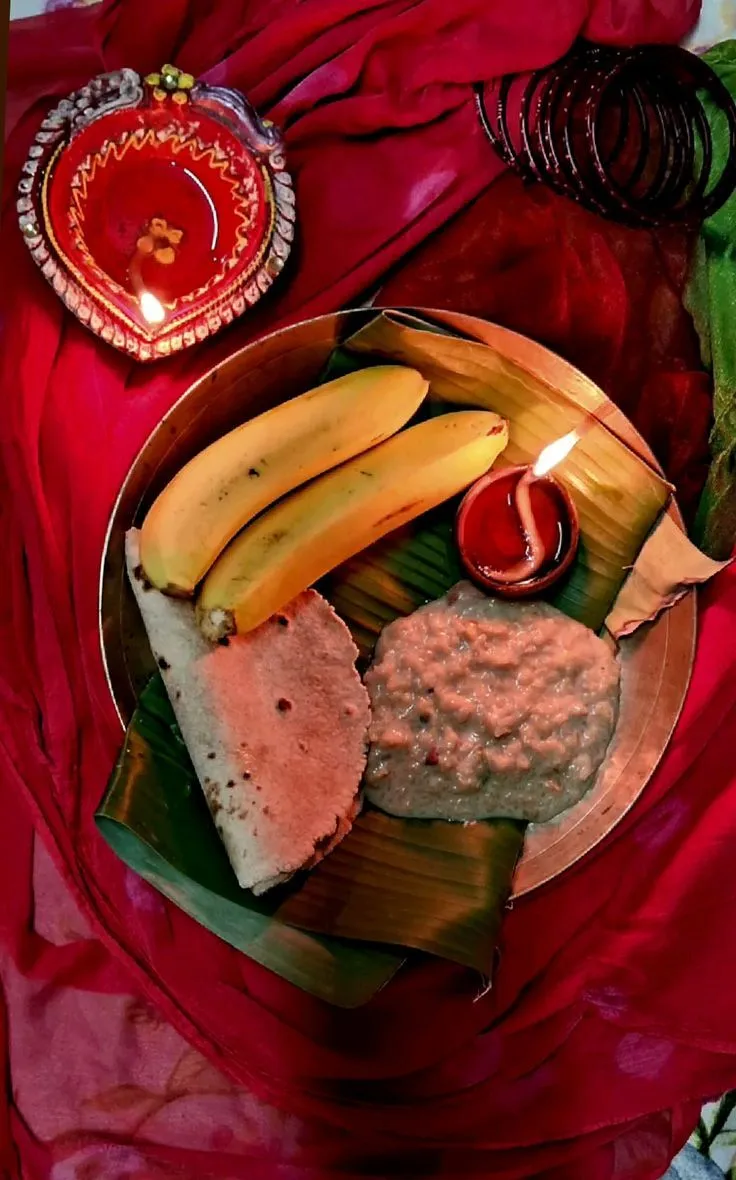
The second day of the festival, Kharna, marks a vital spiritual transition leading into the intense 36-hour nirjala (waterless) fast. Historically rooted in ancient agrarian gratitude practices, Kharna Prasad relies on raw sugarcane jaggery and fresh-harvested rice to honour the Sun God for a bountiful yield.
Chhath Puja Offerings |
Key Ingredients |
Significance |
Thekua |
Whole wheat flour, jaggery, cardamom, ghee |
The signature crunchy, mold-embossed cookie offering high energy and winter immunity, with centuries-old roots as a long-lasting travel prerequisite for Vedic pilgrims. |
Kasar |
Coarsely ground rice/wheat flour, ghee, jaggery |
Nutritious, dense laddoos formulated to combat cold weather and boost strength, traditionally crafted by agrarian communities using coarse winter grains. |
Kharna Prasad |
Raw rice, jaggery, milk, whole wheat rotis |
The sacred evening feast that breaks the day's fast and prepares the body for the 36-hour vow, traditionally celebrating the autumn harvest. |
Rasiyaw Kheer |
New-harvest rice, organic jaggery, milk |
Fragrant jaggery kheer offering soothing warmth and deep caramel sweetness, historically prepared to honor Surya Dev with new-season crops. |
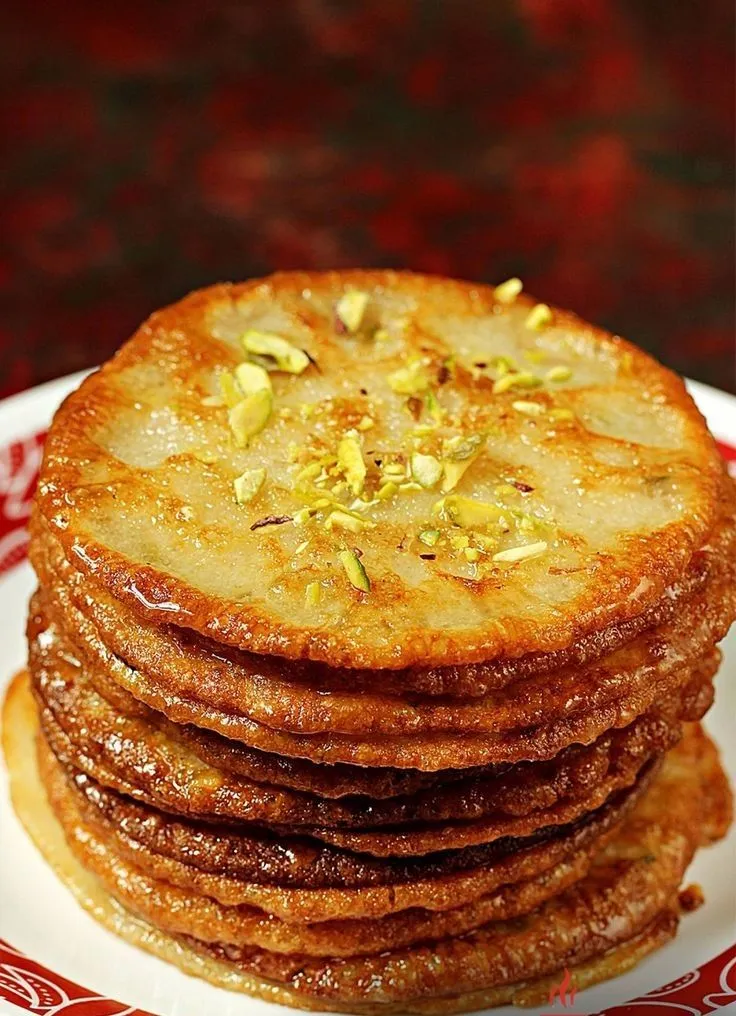
Pua |
Wheat flour, milk, crushed banana, fennel |
Soft, deep-fried sweet pancakes bringing a tender contrast to the festive platter, originating from ancient Vedic celebratory confections (Apupa). |
Thekua
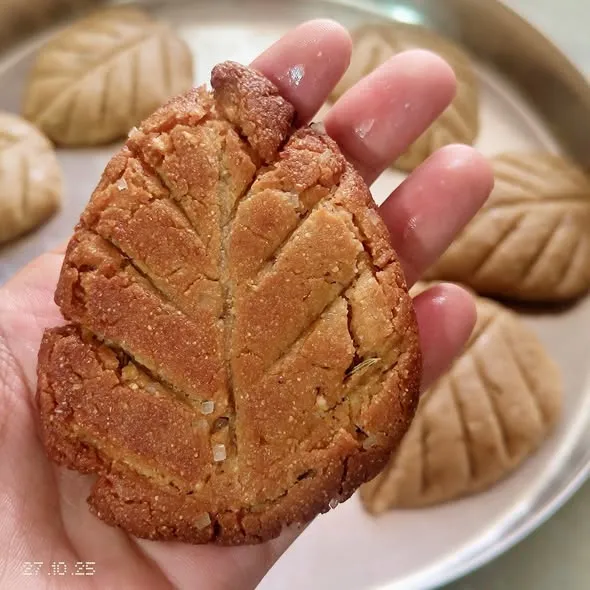
The undisputed emblem of Chhath Puja, Thekua is a sweet, cookie-like delicacy made from whole wheat flour (atta), melted jaggery (gur), crushed cardamom, and ghee. Historically originating as a non-perishable food for ancient travelers and worshippers, it symbolises endurance and pure devotion to the Sun God.
How to Make: The dough is pressed into intricately carved wooden molds (eet), often featuring floral or leaf motifs, and deep-fried in pure ghee until golden brown.
Kasar
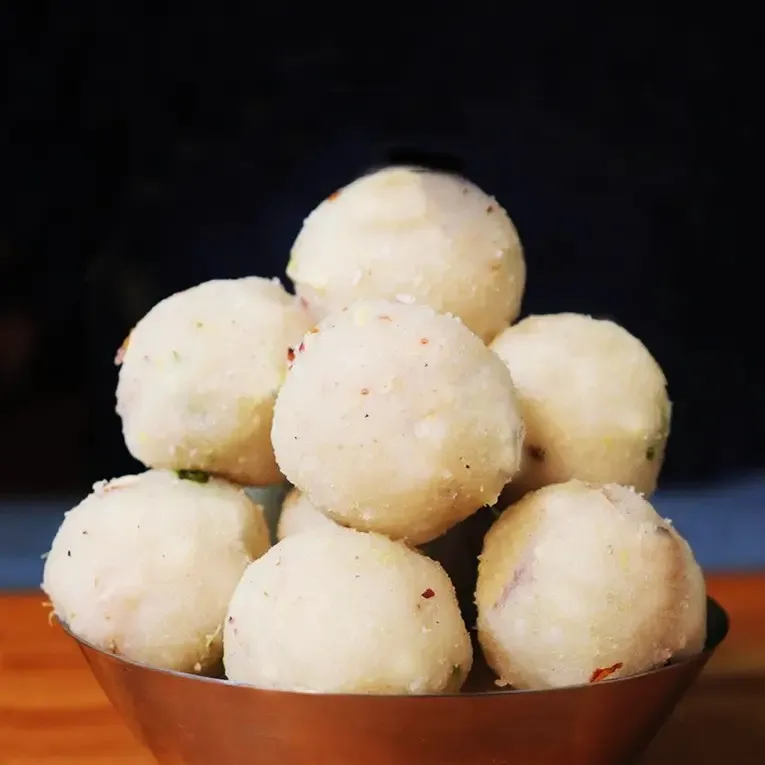
Historically used by regional agrarian communities as a nutrient-dense winter snack, it reflects the festival's close alignment with seasonal changes.
How to Make: Kasar is crafted by blending coarsely ground roasted wheat or rice flour with ghee, jaggery, and fennel seeds and then hand-rolled into compact laddoos.
Rasiyaw Kheer
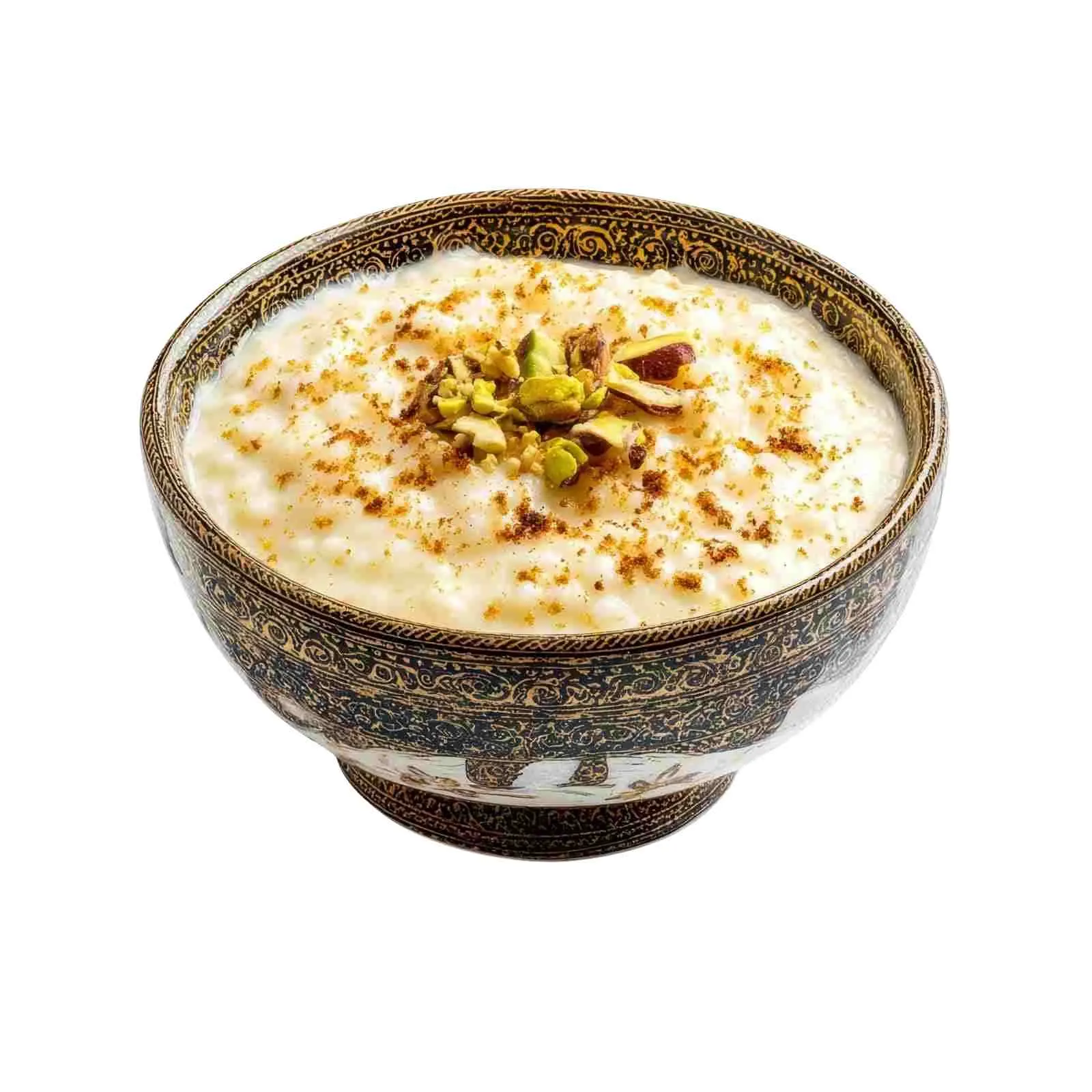
Unlike everyday rice kheer made with refined sugar, Rasiyaw uses slow-cooked new-harvest raw rice combined with rich, unrefined jaggery and fresh milk. This dish traces back to early Vedic rituals where the first yields of the paddy harvest were offered to Surya Dev in sacred mud pots.
How to Make: Boil rice in milk until cooked, turn off the heat, let it cool slightly, then stir in melted jaggery and cardamom.
Pua
Completing the festive spread is Pua, a soft and aromatic sweet pancake. Believed to have evolved from ancient Indian fried confections like Apupa mentioned in classical texts, Pua has long been prepared for grand festive offerings to deities.
How to Make: Made from a smooth batter of wheat flour, milk, ripe bananas, and fennel seeds, it is fried until fluffy and golden, offering a delicate melt-in-the-mouth richness.
Kharna Prasad
The Kharna Prasad is prepared in absolute quietude after a full day of fasting. Devotees offer this sacred meal to Chhathi Maiya before consuming it in peaceful silence. The feast features Rasiyaw served alongside ghee-smeared rotis or puris, offering essential nourishment, natural sugars, and warmth to sustain the body through the prolonged fast.
Your Complete Chhath Delicacies
From the crisp bite of Thekua to the comforting bowl of Rasiyaw, Chhath Puja’s culinary traditions seamlessly marry seasonal nutritional wisdom with pure devotion.
(Image Credits: Pinterest)
Stay tuned to read more such stories on HerZindagi.
- What are the main foods prepared during Chhath Puja?
- The main sacred offerings include Thekua (jaggery wheat cookie), Kasar laddoo, Rasiyaw Kheer (jaggery rice kheer), Pua (sweet pancake), and Kharna Prasad made of rice, jaggery kheer, and ghee rotis.
- Why is Thekua so important in Chhath Puja?
- Thekua is the signature prasad of Chhath Puja, made with whole wheat, jaggery, and ghee. Historically a non-perishable travel food for Vedic pilgrims, it symbolises endurance, purity, and devotion to the Sun God.
- What is Kharna and why is its prasad special?
- Kharna is the second day of Chhath Puja, when devotees break a day-long fast with Rasiyaw Kheer, puris, and rotis cooked in complete purity and silence. It prepares the body for the next 36-hour nirjala fast and honors the new harvest.
Our aim is to provide accurate, safe and expert verified information through our articles and social media handles. The remedies, advice and tips mentioned here are for general information only. Please consult your expert before trying any kind of health, beauty, life hacks or astrology related tips. For any feedback or complaint, contact us at compliant_gro@jagrannewmedia.com.