
Who was Khaleda Zia? Bangladesh's First Female PM Dies At 80
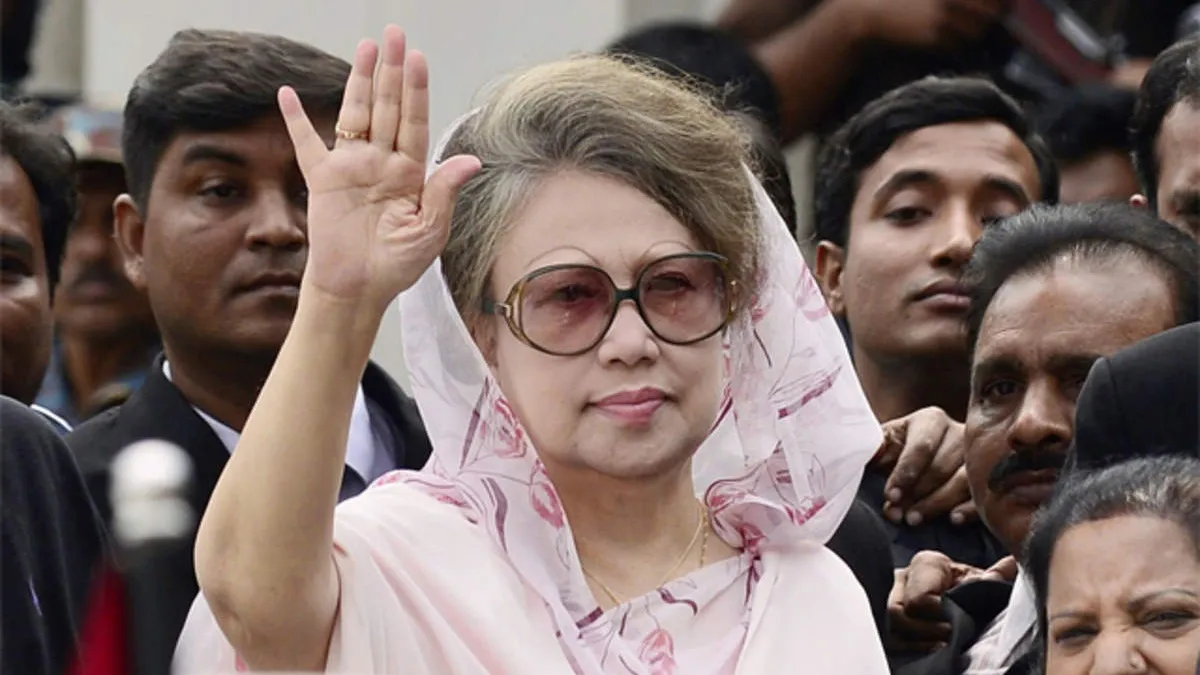
Bangladesh is mourning the death of one of its most consequential political leaders, Khaleda Zia, who passed away at the age of 80 after a prolonged illness. A former prime minister and long-time chairperson of the Bangladesh Nationalist Party (BNP), Khaleda Zia’s death marks the end of an era in Bangladeshi politics, defined for decades by intense rivalry, mass movements and alternating centres of power.
The BNP confirmed her demise in an official statement, saying its chairperson and former prime minister was no more. She had been undergoing treatment at Evercare Hospital for multiple age-related complications.
The BNP Chairperson and former Prime Minister, Begum Khaleda Zia, passed away today at 6:00 a.m., shortly after the Fajr prayer. Inna lillahi wa inna ilayhi raji‘un. We pray for the forgiveness of her soul and request everyone to offer prayers for her departed soul. pic.twitter.com/KY2948UPD5— Bangladesh Nationalist Party-BNP (@bdbnp78) December 30, 2025
Who was Khaleda Zia? Bangladesh’s first female PM dies at 80
Born into a middle-class family, Khaleda Zia remained largely away from public life for many years. Her entry into politics came after the assassination of her husband, Ziaur Rahman, in 1981. A decorated military officer and a key figure in Bangladesh’s independence movement, Ziaur Rahman later became president and founded the BNP.
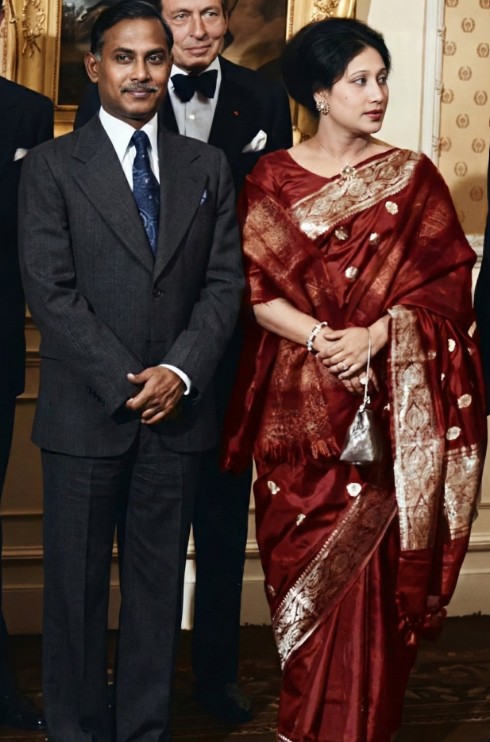
Following his death, Khaleda Zia was drawn into the political arena at a time of deep instability. In 1984, she formally took over the leadership of the BNP, emerging as a formidable force in opposition politics during years of military-backed rule and popular protests.
Khaleda Zia: Bangladesh’s First Woman Prime Minister
Khaleda Zia created history by becoming Bangladesh’s first female prime minister in 1991. She served two terms, from 1991 to 1996 and again between 2001 and 2006. Her first stint is often credited with restoring parliamentary democracy after years of authoritarian governance.
During her years in office, Zia pushed economic reforms, expanded access to education and promoted women’s participation in public life. At the same time, her governments faced criticism over governance challenges, political violence, economic pressures and the handling of natural disasters.
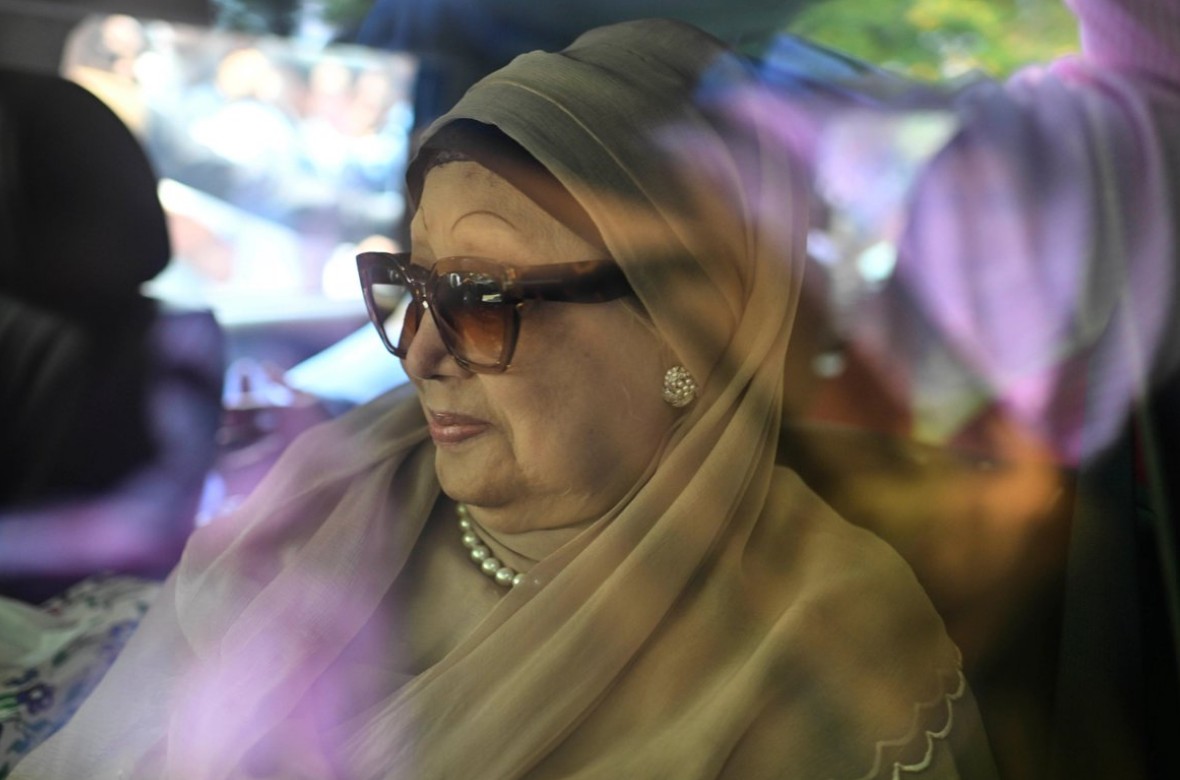
Khaleda Zia Rivalry with Sheikh Hasina and Legal Battles
No account of Khaleda Zia’s political life is complete without her long-running rivalry with Sheikh Hasina, leader of the Awami League. The two women dominated Bangladeshi politics for over three decades, alternately ruling the country and shaping its polarised political culture.
After leaving office, Zia became embroiled in multiple corruption cases, resulting in convictions that she and the BNP consistently described as politically motivated. Her health deteriorated during years marked by imprisonment, house arrest and frequent hospitalisation, before she was released on medical grounds.
Don't Miss: Epstein Files: Who Appears in the Newly Released Photos? Key Royals, Politicians and Celebrities Named
What Her Death Means For the BNP and Bangladesh
Khaleda Zia’s death comes at a politically sensitive moment, with national elections approaching. Her son, Tarique Rahman, is widely expected to assume a larger leadership role within the BNP. However, Zia herself remained a unifying figure for the party, even among factions uncertain about its future direction.

As Bangladesh reflects on her legacy, Khaleda Zia will be remembered as a trailblazer who reshaped the country’s political landscape, a leader whose life mirrored the turbulence, ambition and contradictions of modern Bangladeshi democracy.
Keep reading Herzindagi for more such stories.
Image Courtesy: X
Our aim is to provide accurate, safe and expert verified information through our articles and social media handles. The remedies, advice and tips mentioned here are for general information only. Please consult your expert before trying any kind of health, beauty, life hacks or astrology related tips. For any feedback or complaint, contact us at compliant_gro@jagrannewmedia.com.