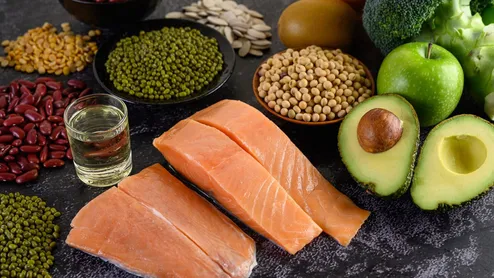
Omega-3 fatty acids, also known as essential fats, are an important component for your health and well-being. It helps to maintain blood cholesterol levels, regulate heart function, and ensure eye and skin health. While fish has been a popular choice for its rich source of Omega-3, it becomes an issue for those who do not enjoy including meat or adding a fish-like flavour to their meals. For anyone who has been struggling with the same and battling with the intake of fish oil capsules, finding an alternative becomes crucial. And with plant-based sources and Omega-3 supplements, there exist unique meals and dietary plans to achieve your wellness goals.
What Is Omega-3?
Omega-3 fatty acids come in three distinctive forms: ALA (Alpha-linolenic acid), EPA (Eicosapentaenoic acid) and DHA (Docosahexaenoic acid). ALA is the plant-based source of Omega-3 when consumed, which converts into the two other forms of Omega-3s that are found prominently in fish and fish oil supplements. To ensure an adequate source of all three types of Omega-3, it's important to have a dietary plan that includes food items rich in each form of these essential fats.
Fish Alternative to Omega-3 Rich Foods
Here are some ingredients and foods you can add to your diet for Omega-3.
1. Soybeans
For those who dislike the taste of fish, soybeans are a perfect choice of Omega-3 fatty acids and plant-based protein. These foods are rich in fiber and contribute many other nutrients to your dietary plan, including Vitamin K, potassium and magnesium. Being an absolute alternative for fish, consuming organic soybeans and exploring their various cooking recipes allows your taste buds to be treated with mouth-watering meals.
Omega-3 Intake: 670 mg of ALA per half cup
2. Walnuts
Being the most snackable item among this list, walnuts are one of the most popular food items that are rich in Omega-3. These nuts are also a great source of plant-based proteins and antioxidants. They can be added to both sweet and savoury meals like salad, smoothies and granola bars, making it easy to incorporate them in your diet.
Omega-3 Intake: 2,750 mg of ALA per quarter cup
3. Flaxseeds
Flaxseeds are a highly recommended source of Omega-3 fatty acids. The ground flaxseeds and oil extract offer great absorption. Flaxseed oil is also known as a natural cholesterol-controlling agent and can be sprinkled on your salad and veggies. One of the other popular methods to incorporate Omega-3 into your diet is by mixing ground flaxseeds into smoothies, yogurt, and oatmeal.
Omega-3 Intake: 6,388 mg of ALA per 2 tablespoons
4. Chia Seeds
Chia seeds are another source of plant-based Omega-3. Unlike flaxseeds, their gel-like consistency makes them an easy alternative and a great addition to both sweet and savory meals- including pudding, smoothies, fresh juice, oatmeal, etc.
Omega-3 Intake: 4,915 mg of ALA per 2 tablespoons
5. Algal Oil Supplements
Algal oil supplements offer the same Omega-3 forms found in fish oil. These supplements hold a great success rate for easy and efficient conversion of ALA to EPA and DHA, and are highly recommended for vegetarians, vegans, and non-fish eaters.
Omega-3 Intake: 300- 900 mg of combined EPA and DHA per capsule
Gaining Omega-3 nutrition from a plant-based source may look challenging and tricky. It requires strategic food planning and curated meals and supplements. Small additions of these powerful plant-based sources can significantly impact your long-term health.
(Image credit: Magnific)
Stay tuned to read more such stories on Her Zindagi.