
Why Were Spices So Valuable in Ancient India? The Story Behind the Spice Trade
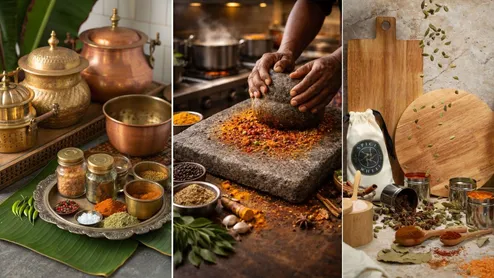
Today, a packet of black pepper costs a few rupees and sits quietly in every Indian kitchen. Thousands of years ago, the same pepper could buy loyalty, settle debts and even save a city. So how did a humble kitchen staple become one of the most sought-after goods in the ancient world?
Why Did The World Want Indian Spices?
It started with geography. Pepper needed a warm and wet climate to grow, and the Malabar Coast in southern India, which is Kerala today, had just that. At that time, almost no other place in the ancient world could grow pepper in such large amounts. Cardamom grew well in the Western Ghats, while ginger, turmeric and cinnamon were found across India and nearby areas. When something grows in only one place but everyone wants it, its price rises fast.Spices were also very useful. There were no fridges back then, so spices helped keep food fresh for longer, hid the bad smell of old meat and made plain food taste better.
In Ayurveda, turmeric, cardamom and pepper were used as medicines for stomach issues, colds and cuts. So a spice was not just a spice. It was food, medicine and luxury, all in one small seed.
How Did the Ancient Spice Trade Work?
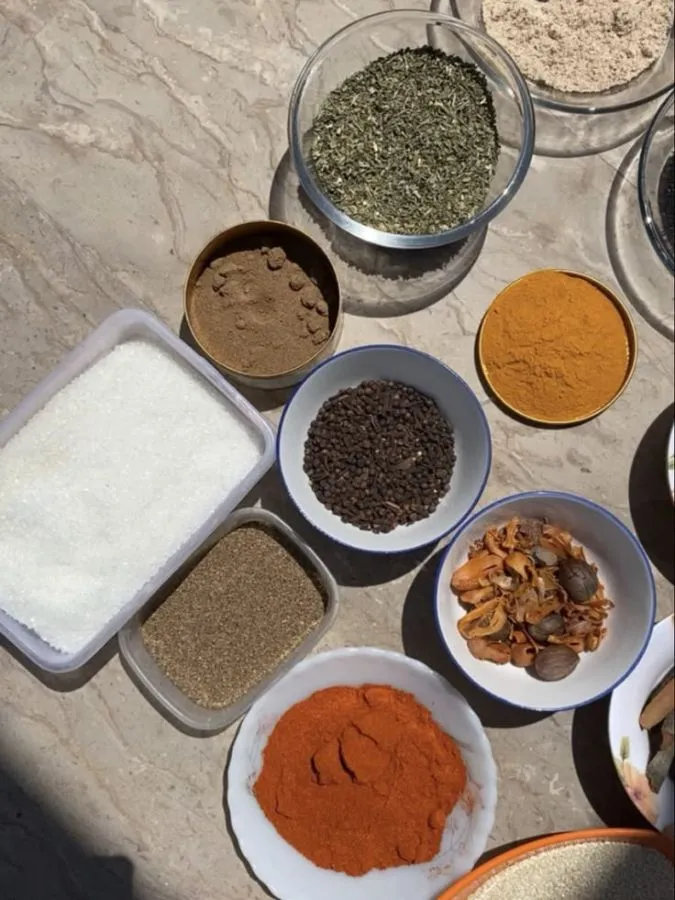
The trade routes were longer than most people imagine. Spices travelled from Indian ports across the Arabian Sea to Arab traders, and then on to Egypt, Greece and Rome. Ports like Muziris, along the Kerala coast, were busy trading hubs where ships arrived loaded with gold and left carrying pepper.
Sailors eventually learned to ride the monsoon winds, which made the journey from Egypt to India far faster and safer. What once took years of coastal sailing could now be done in a few months. Demand in Rome shot up, and so did the money flowing towards India.
ALSO READ- 7 Ways To Make Your Winter Chai Truly Nutritious
Pepper Was Once Called Black Gold
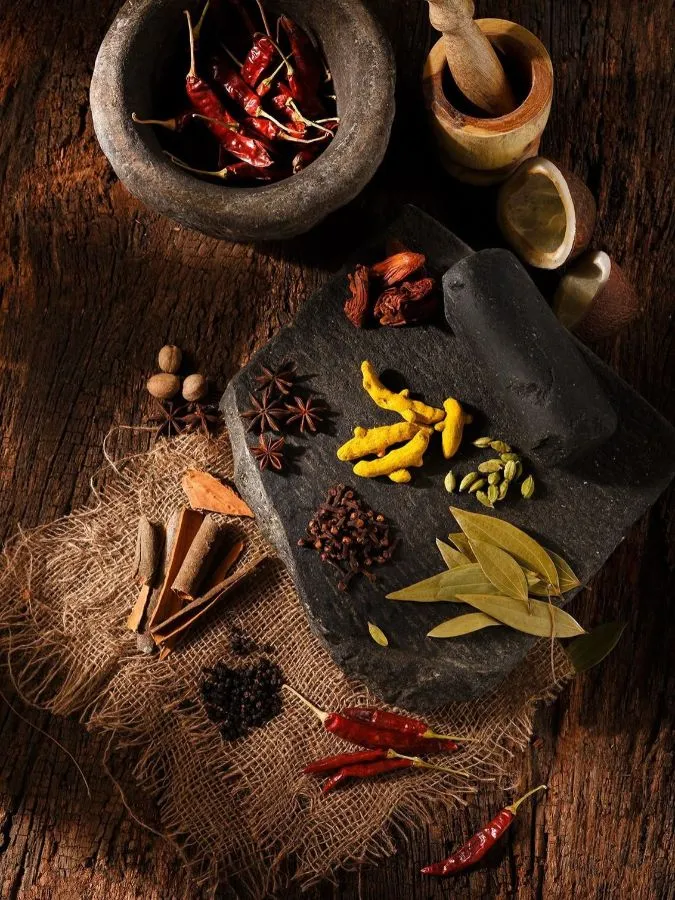
This is where the story gets dramatic. Roman writers like Pliny the Elder complained that huge amounts of Roman gold were being drained away to India for luxuries like pepper and silk. The sheer scale of this spending worried the empire.
Pepper's value also showed up in the most unexpected places. Peppercorns were reportedly found in the nostrils of the Egyptian pharaoh Ramesses II when his mummy was studied. And when the Visigoth king Alaric besieged Rome in the early fifth century, one of the things he demanded as ransom was 3,000 pounds of pepper. A spice was literally part of the price of a city.
The Secret Behind the High Prices of Spices
Here is the angle most history lessons skip: a big reason spices stayed so expensive was that buyers had no idea where they came from.
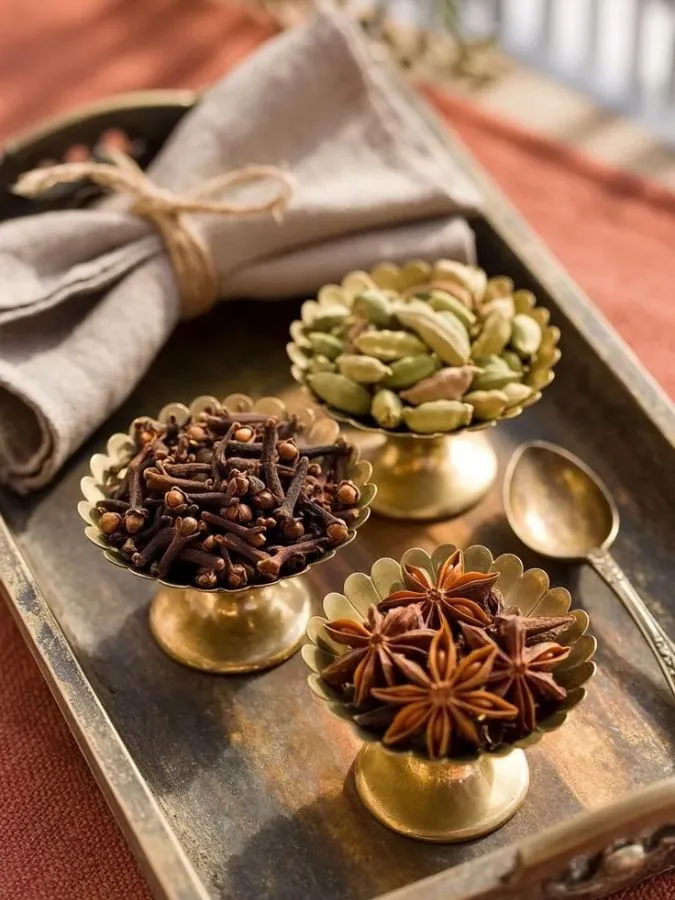
The middlemen who controlled the routes guarded their sources carefully. They spun wild stories to keep rivals away. Cinnamon, according to old tales, was gathered from the nests of giant birds, and cassia grew in lakes protected by winged creatures. These tales sound ridiculous now, but they worked. If nobody knew the real source, nobody could cut out the trader and buy directly. Mystery was part of the business model, long before anyone called it branding.
Spices in Everyday Indian Life
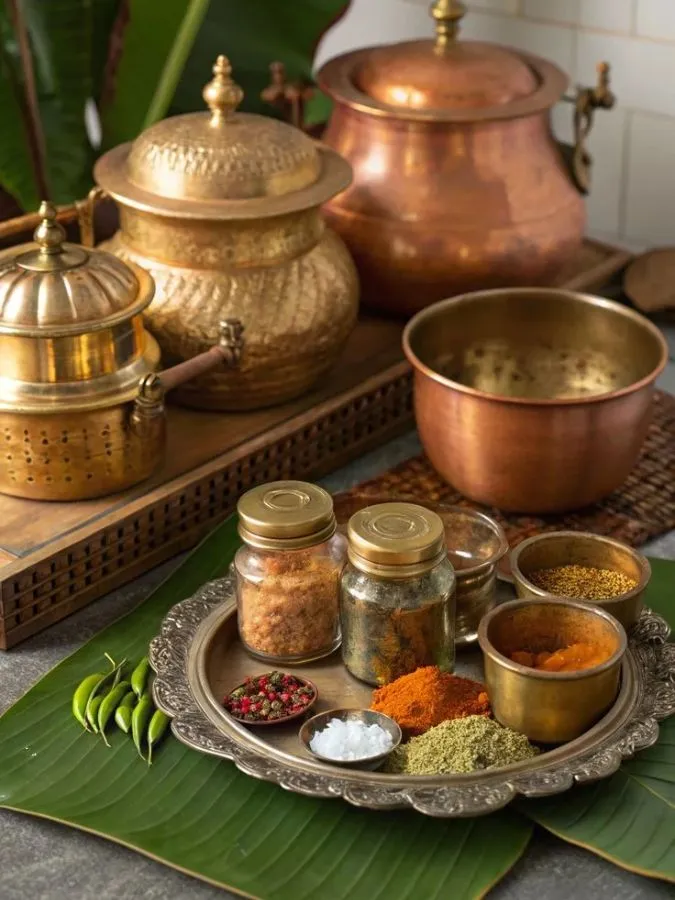
And back home in India, the story was very different. Outside India, spices were seen as a treasure only rich people could afford. But in India, they were part of everyday life. People used them in cooking, as medicines, in puja and rituals, and even in weddings. Turmeric was used for good luck and protection, while cardamom and cloves were offered during prayers and used to keep the mouth fresh.
While rich Romans used lots of pepper in their feasts to show off their wealth, Indian families saw the same spices as normal, daily things. This difference is one big reason why Indians still feel so closely connected to spices today.
Why the Spice Trade Still Matters Today?
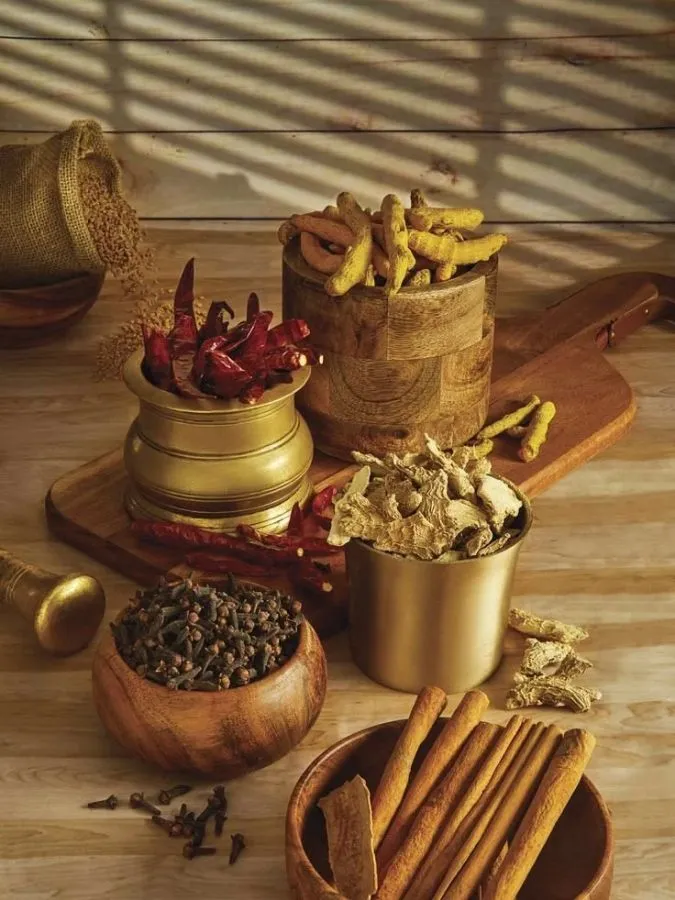
The search for spices later made European sailors look for a sea route to India, and that changed world history. Vasco da Gama reached Kerala in 1498, and after that, many European powers started fighting to control India. In a way, it was a small black peppercorn that helped redraw the world map.
ALSO READ- Cloves For Diabetes: What Happens When You Eat Cloves To Manage Blood Sugar Levels
Conclusion
Spices were valuable in ancient India because they were rare, useful and wanted by everyone, which is a powerful mix in any era. Add secret sources, long sea journeys and a few tall tales, and you get a trade that shaped empires. The next time you add a pinch of pepper or a spoon of turmeric to your food, remember that you are using something kings once fought over.
Image Credits: Pinterest
If you liked this story, then please share it. To read more such stories, stay connected to HerZindagi.
- Why were spices so valuable in ancient India?
- Spices were valuable because they were rare and had many uses. They were used to preserve food, add flavour, and as medicines in Ayurveda. Since spices like pepper and cardamom grew mainly in India, their demand was very high in other countries.
- What are the 7 essential Indian spices?
- The 7 essential Indian spices are turmeric, cumin, coriander, black pepper, cardamom, cloves and cinnamon.
- Which spices help with a cold?
- Turmeric, black pepper, ginger, cloves and cinnamon help with a cold and improve immunity.
Our aim is to provide accurate, safe and expert verified information through our articles and social media handles. The remedies, advice and tips mentioned here are for general information only. Please consult your expert before trying any kind of health, beauty, life hacks or astrology related tips. For any feedback or complaint, contact us at compliant_gro@jagrannewmedia.com.