
Why Are Indian Households Bringing Back Traditional Breakfasts And Ditching Cereals?
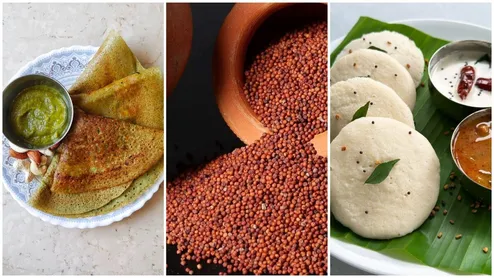
For the last many years, Indian household shifted towards western cereal packed breakfast, which were extremely convenient but a total zero on nutrition level. Boxed sugary cereals, processed white bread, and instant oats quietly replaced the gentle hum of steaming idli pots and the rhythmic sizzling of the tava. Driven by modern work routines, many assumed these packaged options were the ideal time-savers for a busy lifestyle.
1. Gut Health and Probiotic Powerhouses
A key driver behind this return to roots is a renewed focus on gut health. Traditional Indian morning staples such as naturally fermented idlis, dosas, dhokla, and overnight-soaked rice are rich in natural prebiotics and probiotics. Unlike refined wheat toasts or ultra-processed cereals that cause rapid blood sugar spikes, fermented batters support beneficial gut microbiota, easing digestion and enhancing daily nutrient absorption.
2. The Resurgence of Native Millets
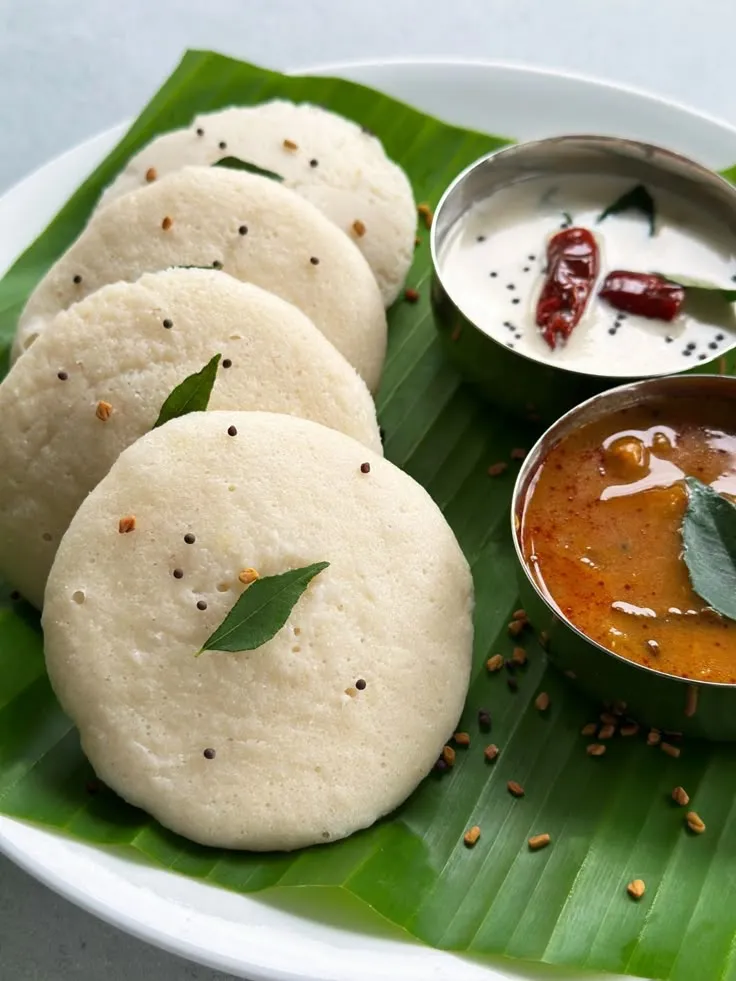
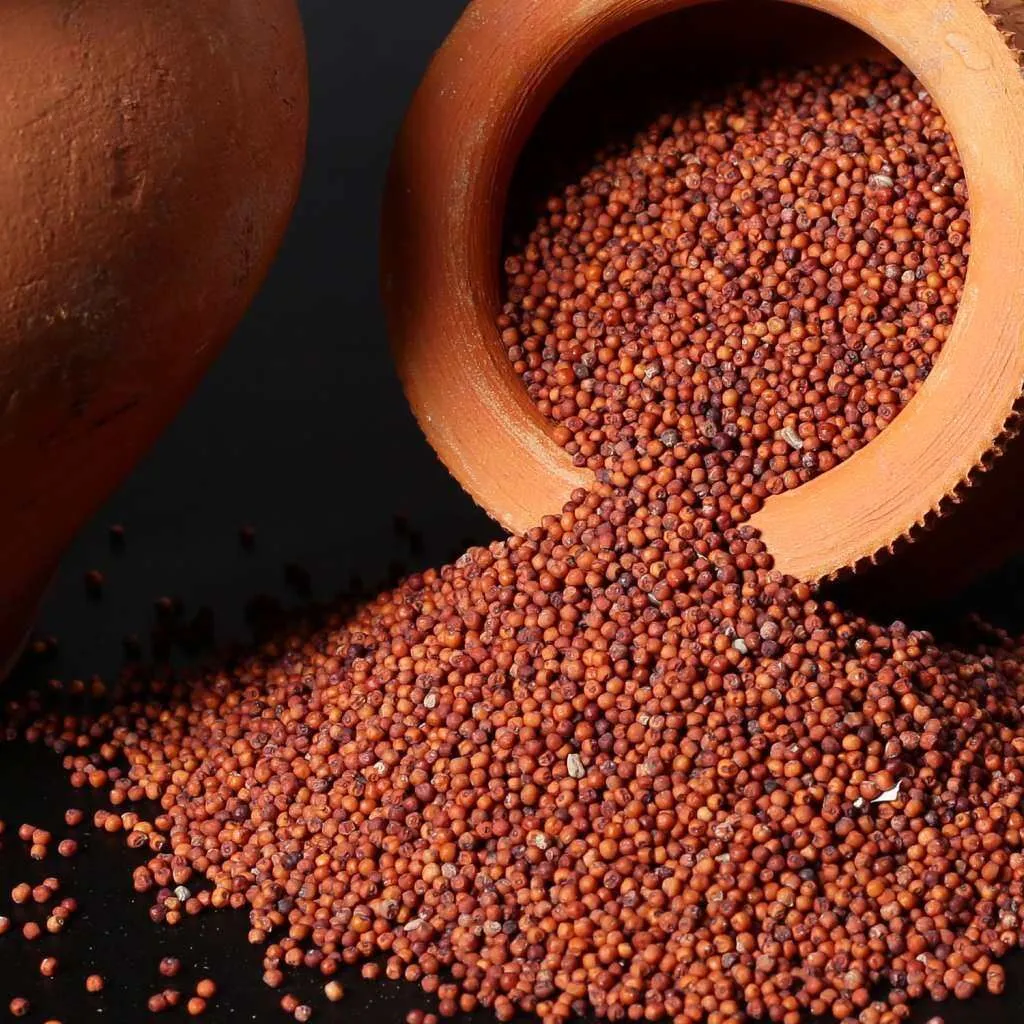
With the global spotlight on ancient grains, India’s native millets. This includes ragi (finger millet), jowar (sorghum), and bajra (pearl millet), they have made a triumphant return to our Indian morning menus. Dishes like ragi malt, jowar upma, and millet chilla deliver high dietary fiber, complex carbohydrates, and a low glycemic index.
3. Naturally Balanced Nutrition
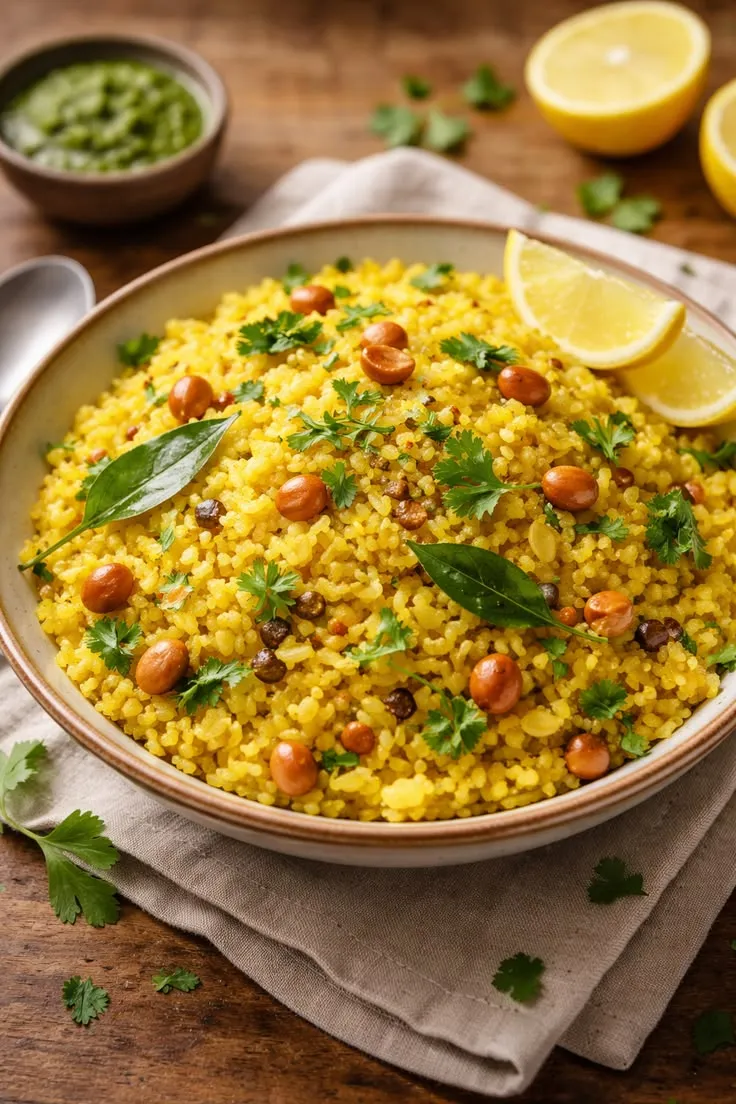
Traditional Indian breakfasts are inherently complete nutritional ecosystems. A simple bowl of poha (flattened rice) tempered with mustard seeds, curry leaves, peanuts, and fresh lemon provides healthy fats, iron, complex carbs, and essential Vitamin C. Similarly, a protein-dense sattu (roasted gram flour) drink or besan chilla offers clean plant protein and minerals. Ancestral recipes naturally balance protein, fiber, healthy fats, and metabolic-boosting spices like turmeric, cumin, and ginger.
4. Seasonal Food and Heritage
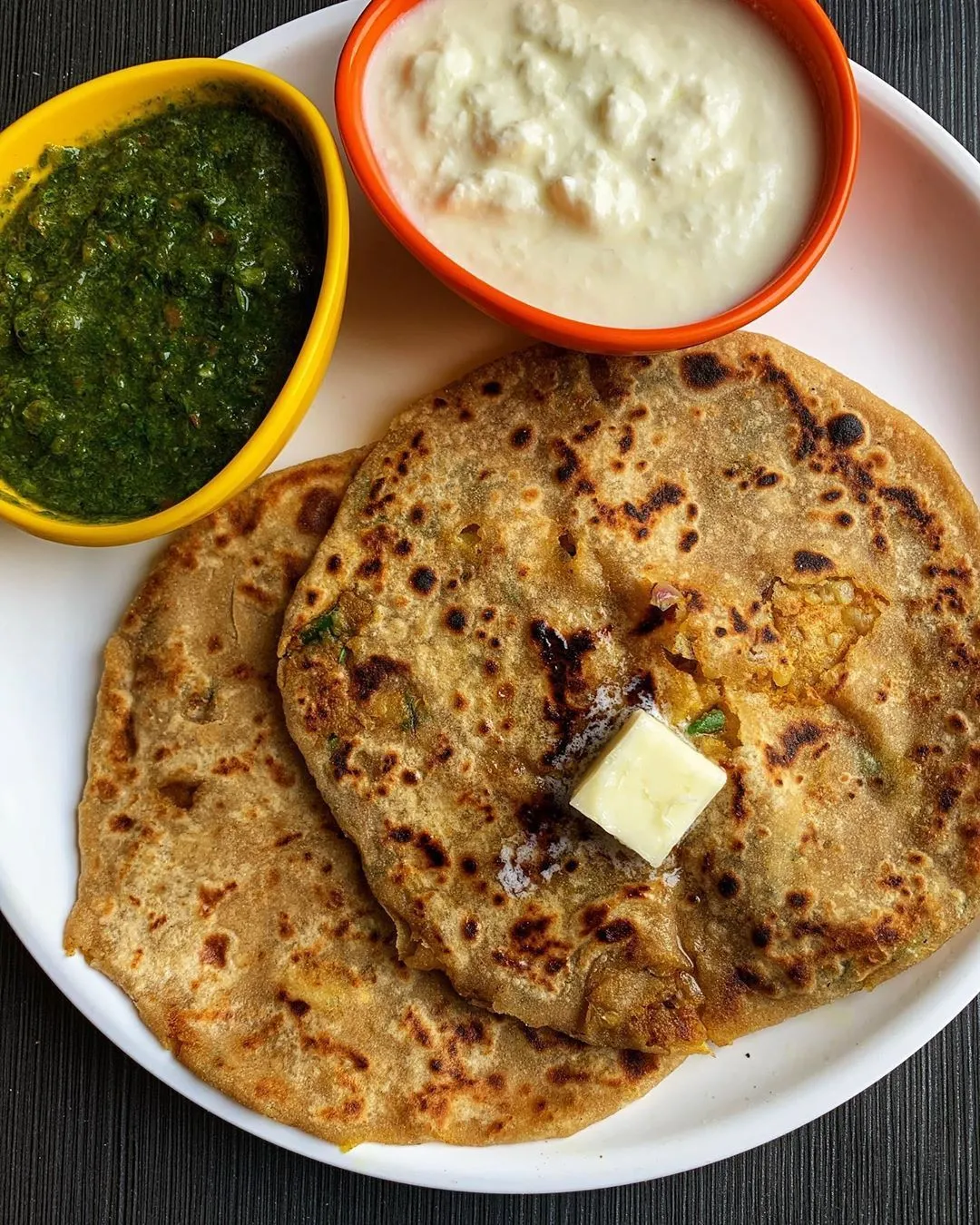
Beyond nutrition, there is a growing appreciation for local, seasonal eating habits. Indian culinary heritage emphasises consuming cooling meals during warm months and calorie-dense, warming foods like stuffed whole-wheat parathas with fresh white butter. As consumers grow wary of hidden preservatives and artificial additives on package labels, home-cooked regional recipes offer a comforting connection to heritage and clean living.
Conclusion
Ultimately, the revival of the traditional Indian breakfast demonstrates that true food innovation often lies in ancestral wisdom. By pairing time-tested recipes with modern health priorities, Indian kitchens are reclaiming the morning meal, one wholesome, flavor-packed dish at a time.
(Image Credits: Pinterest)
Stay tuned for more such stories at Her Zindagi.
- Why are traditional Indian breakfasts healthier than packaged cereals?
- Traditional options rely on whole grains, lentils, and natural fermentation, delivering rich dietary fiber, gut-friendly probiotics, without hidden sugars or artificial additives.
- Can traditional Indian morning meals assist with weight management?
- Yes, dishes packed with complex carbs, plant protein, and dietary fiber (such as millet upma or besan chilla) promote satiety and maintain steady blood sugar levels.
- What are the fastest traditional Indian breakfast options for busy weekdays?
- Quick choices include instant sattu energy drinks, quick-tempered poha, protein-rich besan chillas.
Our aim is to provide accurate, safe and expert verified information through our articles and social media handles. The remedies, advice and tips mentioned here are for general information only. Please consult your expert before trying any kind of health, beauty, life hacks or astrology related tips. For any feedback or complaint, contact us at compliant_gro@jagrannewmedia.com.