
Struggling to Set Curd Tn Winter? 5 Easy Hacks For Thick, Creamy Dahi
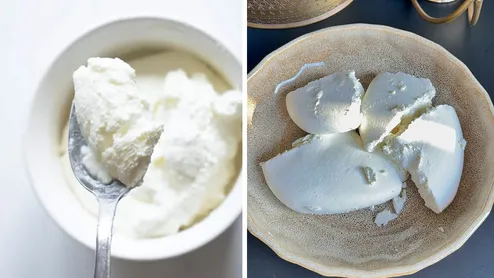
Setting curd in summer is effortless, but winters are a different story. The cold slows down the good bacteria that turn milk into dahi, so you often wake up to runny, half-set curd. But with a few small changes like getting the milk temperature right, using the correct amount of starter, and keeping it in a warm spot - you can get thick, creamy curd at home, even in December.
Why Curd Refuses to Set Properly in Winter?
Curd struggles to set in winter because cold weather slows down the lactic acid bacteria that turn milk into dahi. These bacteria work best at around 37°C–45°C.When your kitchen is cold, the milk cools down too fast, fermentation stops midway, and you end up with thin, runny or watery curd.
5 Easy Ways To Make Curd At Home
From lukewarm milk to a woollen wrap, here's how to set thick curd at home in winter without any fail.
1. Start With The Right Milk Temperature
The milk should be lukewarm, not hot. Boil it first, then let it cool until it feels comfortably warm on your finger, around 40 to 45°C. If it's too hot, it kills the bacteria. If it's too cold, the curd won't set.
2. Use A Fresh Starter
Use one tablespoon of fresh, slightly sour curd for every 500 ml of milk. In winters, a little extra starter helps. Whisk it in a bowl first, add the warm milk, and mix well so it spreads evenly.
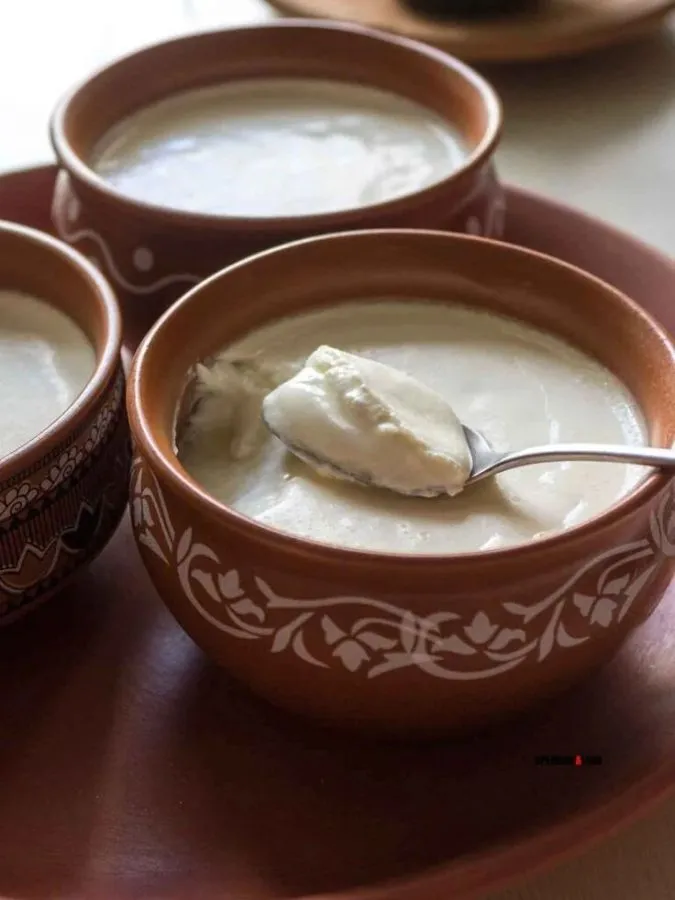
3. Pick Full-Fat Milk
Full-fat milk gives thicker, creamier curd. Toned milk works too, but it may take longer to set in cold weather.
4. Keep It Warm While It Sets
This is the most important step. Try any of these:
- Oven with the light on: Keep the container inside a switched-off oven with the light on.
- Casserole or hot pot: Place the container in an insulated casserole, which holds heat for hours.
- Wrap it up: Cover the container with its lid and wrap it in a woollen shawl or thick towel.
- Near a warm spot: Keep it close to a geyser, the kitchen stove (not directly on it), or a warm corner of the house.
5. Don't Disturb It
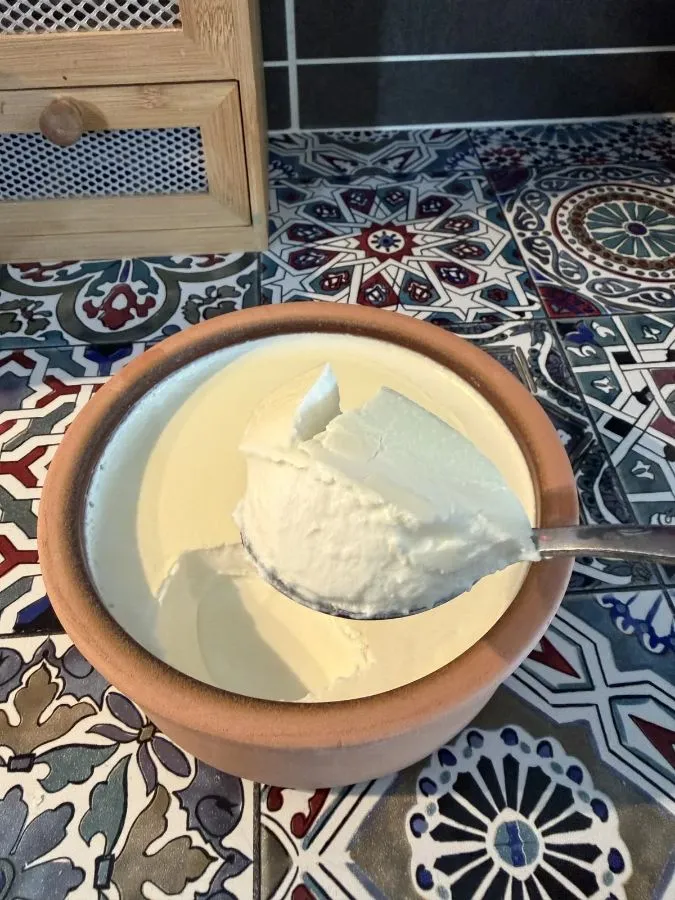
Once you've kept the curd to set, don't shake, stir, or move it. Let it sit for 8 to 12 hours, or overnight. In very cold weather, it may take a little longer. Once set, move it to the fridge to stop it from turning sour.
Common Mistakes To Avoid
- Using hot milk, which kills the bacteria
- Using old, very sour curd as the starter
- Opening the lid to check again and again
- Keeping the container in a cold corner or near a window
ALSO READ- Winter Special: How To Make Punjabi-Style Soft Methi Paratha In 25 Minutes
Quick Fix If Your Curd Doesn't Set
If it's still runny after 12 hours, move it to a warmer spot and give it a few more hours. If it still doesn't set, the starter was probably weak, so try again with fresher curd.
(Image Credits: Pinterest)
To read more such stories, stay tuned to Her Zindagi.
- Why does curd not set properly in winter?
- Curd does not set in winter because cold temperatures slow down the lactic acid bacteria that ferment milk.
- How to set thick curd in winter at home?
- Use lukewarm milk (not hot, not cold), add 1-2 tablespoons of fresh starter curd per litre, and keep the vessel in a warm place like inside a microwave (switched off), oven, or wrapped in a towel inside a casserole. Let it set undisturbed for 8-10 hours.
- How long does curd take to set in winter?
- In winter, curd can take 8-12 hours to set.
Our aim is to provide accurate, safe and expert verified information through our articles and social media handles. The remedies, advice and tips mentioned here are for general information only. Please consult your expert before trying any kind of health, beauty, life hacks or astrology related tips. For any feedback or complaint, contact us at compliant_gro@jagrannewmedia.com.