
International Coffee Day 2026: Why Indian Single-Origin Beans Are Finding A Place In Global Speciality Cafes
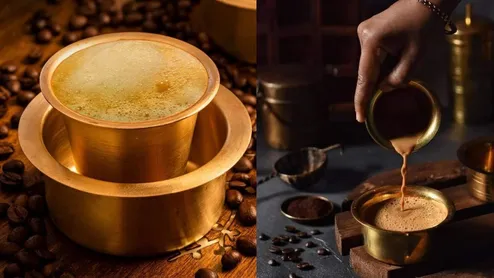
For years, Indian coffee has been best known through the comforting aroma of South Indian filter coffee, the familiar steel tumbler-and-davara ritual and the ubiquitous instant coffee jar sitting in your kitchen. But shift has been moving from just adding it as a daily brew, or a blend, to where the beans come from, what makes that region the best of its kind, what their individual flavours reveal about their origin and so much more.
The growing love of coffee for Indians is making them and the globe curious about the consumption and origin of Indian coffee beans. From the coffee estates of Chikmaglur, Coorg, to speciality cafes and roasters, Indian single-origin beans are finding a distinctive identity. More than the flavours, consumers are willing to know why it tastes the way it does, how it originated, where it comes from and the process.
What Makes Indian Single-Origin Coffee Different?
The term single-origin broadly refers to coffee sourced from a particular geographical region, although the exact scale can vary from a country to a region. Unlike a blend, where beans from different origins are combined to achieve a consistent flavour profile, a single-origin coffee flavour allows the characteristics associated with a particular growing area to come through more clearly.
India's coffee-growing landscape is remarkably diverse, making it a fine advantage for growers. The country's major coffee-growing regions span Karnataka, Tamil Nadu, Andhra Pradesh, and others. The different altitudes, rainfall, soil, shade, temperature and cultivation practices make major differences in how the coffee beans develop, giving beans different flavours and characteristics of their own.
S. Srudheep, MD of Sri. Narasu's Coffee shares, "Indian single-origin beans are gaining global attention because they give buyers a clearer sense of what Indian coffee can offer. Our growing regions, soil quality, altitudes and microclimates produce very different flavour profiles."
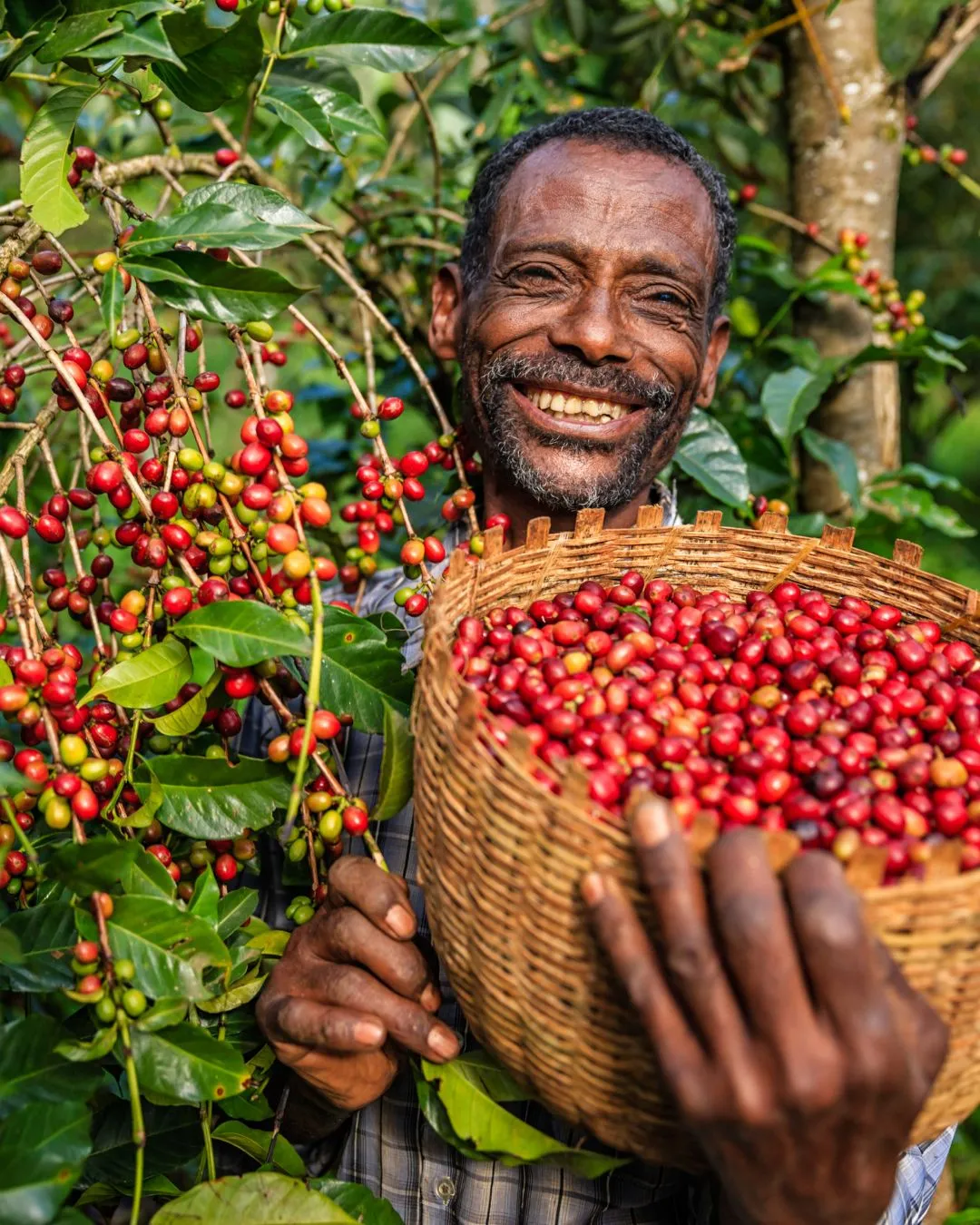
Chikmagalur to Coorg: India's growing coffee identity
Karnataka remains at the heart of India's coffee story, with regions like Coorg and Chikmagalur having a history of coffee cultivation and producing the best aromatic beans.
Chikmagalur specifically is regarded as the historic home for Indian coffee and is particularly associated with high-elevation plantations and shaded estates.
Coorg, meanwhile, is known for its lush landscapes and extensive coffee plantations; traditionally, the coffee is grown under the shade of trees to prevent over-burning. Other regions of South India also contribute to the coffee-growing capitals. Araku Valley in Andhra Pradesh has emerged as an important name for Indian speciality coffees.
ALSO READ- Coorg, Wayanad or Araku: Top 5 Indian Destinations For Coffee Lovers
Arabica or Robusta: Which is better Indian coffee?
Another important part to understand is that Indian coffee is looking beyond the familiar Arabica and Robusta debate. Arabica is often associated with strong aromatics and can display fruity, floral nuanced flavours.
Robusta is valued for its stronger body, intensity and contribution to blends.
Srudheep adds, "Indian Arabicas can bring more aromatic, fruity and floral notes, while Robusta is valued for its body, strength and blending quality."
Neither coffee is a better pick, but both are one-of-a-kind on their own and have distinct characteristics which make them different for brewing and blending.
ALSO READ- Listen To Your Body: 5 Signs You Might Be Intolerant To Caffeine
How Coffee Processing Changes Flavour
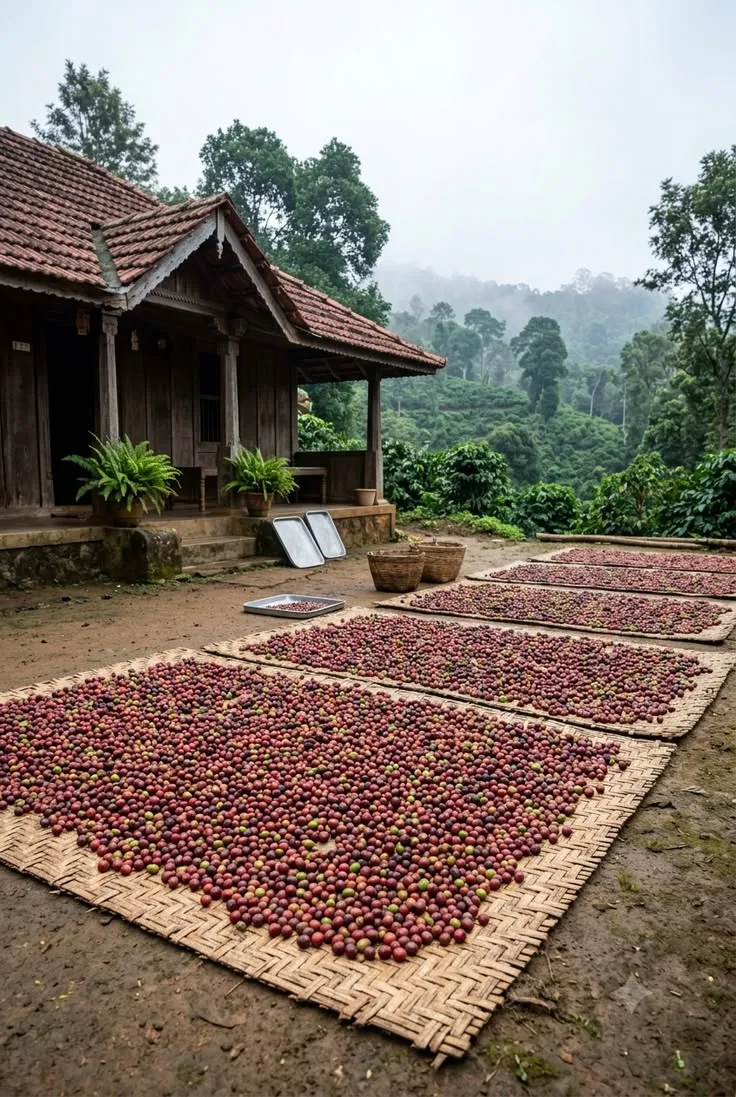
Once the coffee beans are picked, the story does not end there, but the real process starts once they are plucked.
The process, from removing the fruit from the coffee seed to how it is dried or prepared, makes the real difference in the flavour and aroma of the perfectly served cup of coffee.
Washed, natural and honey-style processes can produce a different flavour, while newer experimental fermentation techniques have also entered the chat for speciality coffee, which has given producers another variety to explore.
From Indian Coffee Farms To Global Cafés
The international speciality coffee market has increasingly placed interest in distinct origin coffee based on the story and culture. Consumers in many markets are becoming more curious about the journey from farm to cup, while roasters are looking for coffees with distinctive sensory characters.
The opportunity for Indian coffee growers is to build recognition around specific Indian coffees and regions rather than selling Indian coffee simply as a commodity. This will in turn create stronger consumer demand and give Indian coffee greater value and visibility in global markets, concludes Srudheep.
ALSO READ- Want To Break Out Of Your Espresso Routine? Check 5 Ways To Simply Switch Your Usual Coffee Order
The growing interest in the origin and process of coffee not only creates space for its international recognition but should be appreciated on its own terms rather than being compared to famous international origins. This will not only create opportunities for Indian coffee at its recognition to forgein market but also increase the value and visibility that was not given enough in past years.
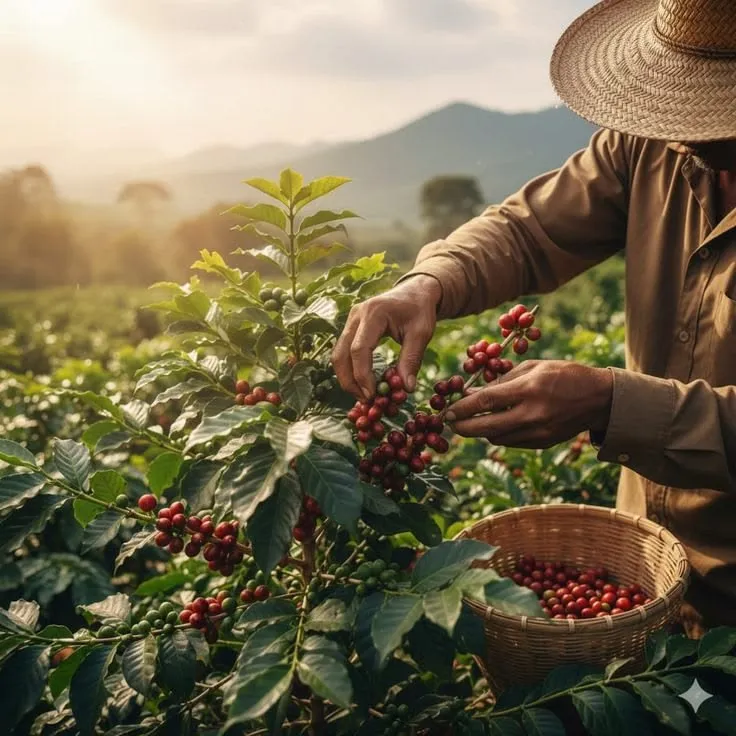
The next chapter of coffee will be less about convincing the world that India produces coffee, but more about helping drinkers understand why they are drinking Indian coffee, which one it is, and where it came from to make the perfect cup of coffee in their hands.
ALSO READ- Why Is South India’s Most Famous Kumbakonam Degree Filter Coffee Named After A Mathematical Unit
(Image credit: Magnific)
Stay tuned to read more such stories on Her Zindagi.
Our aim is to provide accurate, safe and expert verified information through our articles and social media handles. The remedies, advice and tips mentioned here are for general information only. Please consult your expert before trying any kind of health, beauty, life hacks or astrology related tips. For any feedback or complaint, contact us at compliant_gro@jagrannewmedia.com.