
How To Make Multigrain Atta At Home: Simple Steps And Perfect Grain Ratio
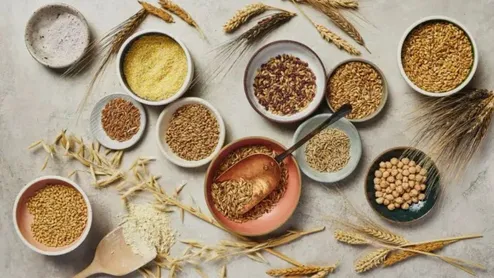
We usually buy a packet or per kg of flour from the market, including simple flour, multi-purpose flour or multigrain flour. We can simply prepare multigrain atta at home as per everyday choice and put in the right ingredients needed for growth, stamina and wellness. Instead of relying on the outside blend, you can simply add cereals, millets, and pulses as per the family's needs and right proportions for the maximum benefits. Here is a quick and simple guide to prepare multigrain flour at home.
What is Multigrain Flour?
Multigrain flour is prepared by combining two or more kinds of grains or grain-like ingredients with multiple benefits for the body and mind. A homemade blend can include whole wheat, millets, cereals, pulses and various seeds for super benefits.
Unlike whole-wheat flour, it is a combination of various nutritional profiles, prepared to be consumed for a nutritionally balanced meal or high-energy food consumption. The exact nutritional value depends entirely on the grains and quantities used.
A useful homemade blend does not need to contain a large number of ingredients. In fact, starting with four to six ingredients can make the flour easier to prepare, store and use.
ALSO READ- 8 Sofa Cleaning Hacks To Remove Dirt And Make It Look New
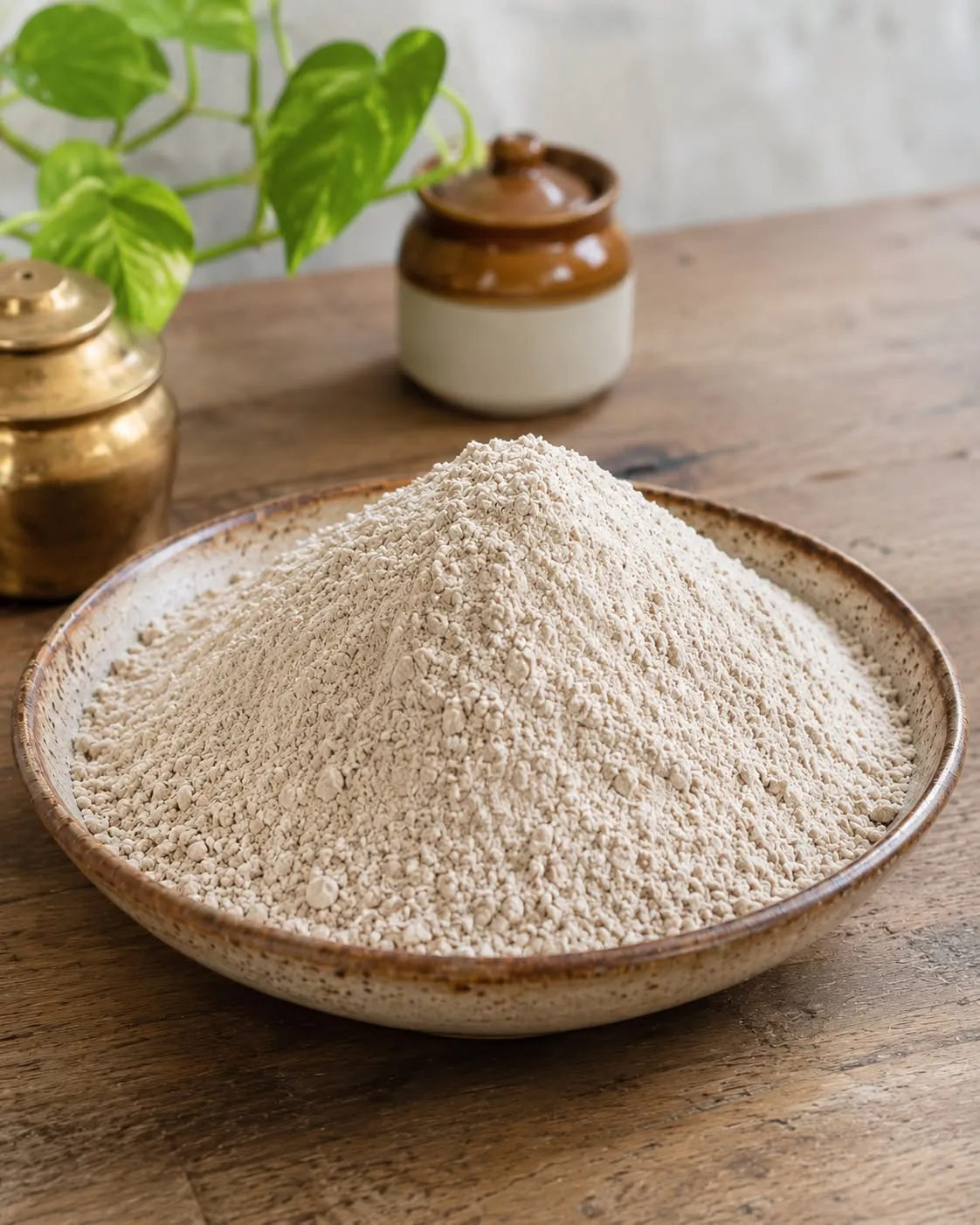
How To Make Multigrain Atta
Here is a complete step-by-step guide along with ingredients you may look at to add to your multigrain flour for a highly nutritious meal and chapatis.
A basic homemade multigrain atta can contain:
- Whole wheat
- Bajra (pearl millet)
- Jowar (sorghum)
- Ragi (finger millet)
- Barley (jau)
- Roasted chana or gram
- Soybean, in a smaller quantity if desired
- Flaxseeds or other seeds, in small quantities
For preparing a nutritious multigrain flour, you need not ot add all kinds of ingredients; it just depends on whether you want a flour primarily for rotis, parathas or other recipes, and also on the personal preferences and nutritional choices of a family.
For an everyday roti-friendly blend, you can start with:
| Ingredient | Quantity (g) | Percentage (%) |
| Whole wheat | 600 g | 60% |
| Jowar | 100 g | 10% |
| Bajra | 100 g | 10% |
| Ragi | 100 g | 10% |
| Barley | 50 g | 5% |
| Roasted chana dal | 50 g | 5% |
| Total | 1,000 g (1 kg) | 100% |
This is a beginner-friendly formula and is not prescribed by a nutritionist. For an accurate ratio, one must connect with a nutritionist to meet the daily nutritional needs of the family with multigrain flour.
Wheat is kept in the largest quantity because gluten helps to hold the dough together while making rotis. Millets and other grains can make dough more crumbly if used in larger proportions.
Step-by-step guide to make Multigrain Flour
- Use clean and nutritious whole grains; check ingredients thoroughly to avoid insects or unusual odour.
- Use only dry and crisp whole grains for better shelf life.
- Spread the grains in a clean and dry place to remove stones, husk, and damaged grains.
- Do not grind the freshly washed or damp grains directly. Instead, keep them in the sun to dry completely and remove excess moisture.
- If you wash any ingredient, allow it to dry completely before grinding. For longer storage, the grains should be thoroughly dry before they go into the grinder.
- If you prefer lightly roasted grains, you can dry roast jowar, bajra, ragi, barley or channa over low heat.
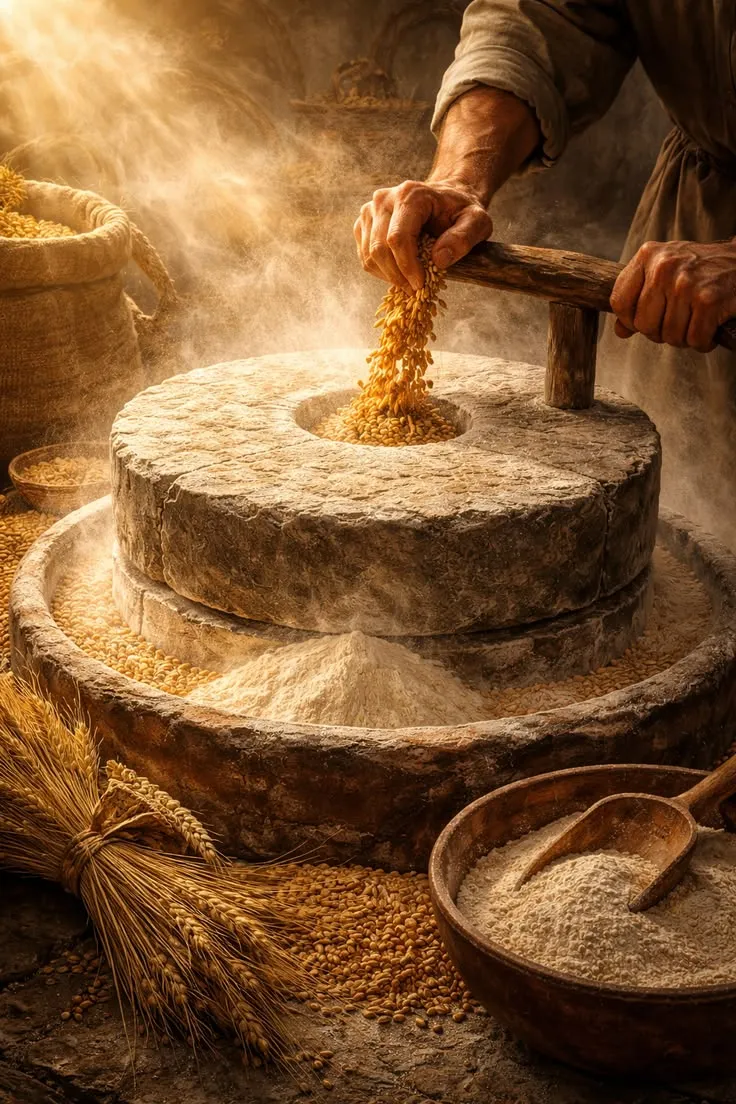
- You can simply take the ingredients to the nearby chakki for grinding; if not, use a grinder at home to grind ingredients in small batches at home.
- Pulse the grains first and then grind them to the desired consistency.
- Sift the flour if necessary and re-grind the coarser particles.
- Remember that not every household mixer-grinder is designed to mill hard grains continuously.
- Follow the appliance’s instructions to avoid overheating the motor.
- Once all ingredients are ground, combine them in the chosen proportions to prepare multigrain flour.
- Do not add water, oil or any wet substance, but mix with hands to properly combine all things together.
- Homemade multigrain flour contains several whole-grain ingredients, and some blends may also contain seeds.
- Because whole grains retain more of their natural oils than refined flour, freshly milled flour can lose quality faster than highly refined flour, particularly when stored in warm conditions.
- Store safely in an airtight container to avoid any moisture.
ALSO READ- Why Do Hotels Fold The End Of Toilet Paper Into A Triangle? It's Not Just Decoration
Conclusion
Making multigrain flour at home is easy and takes a similar amount of time to the usual whole-wheat flour; it is more nutritious and can add value to the daily nutrition of your family. Making it at home adds to the cleanliness, hygiene, and purity of the flour.
ALSO READ- 5 Simple Ways To Make Your Phone Less Distracting
(Image credit: Magnific)
Stay tuned to read more such stories on Her Zindagi.
Our aim is to provide accurate, safe and expert verified information through our articles and social media handles. The remedies, advice and tips mentioned here are for general information only. Please consult your expert before trying any kind of health, beauty, life hacks or astrology related tips. For any feedback or complaint, contact us at compliant_gro@jagrannewmedia.com.