
Skin Care Routine For Sensitive Skin: Dermatologist Recommends An Easy AM-PM Routine

AM PM Skincare Routine For Sensitive Skin
If your skin frequently stings after applying skincare, feels tight after washing or reacts to products that everyone else seems to love, the answer may not be another serum. It may actually be fewer products.
Dr. Nishita Ranka, Dermatologist & Medical Director, Hyderabad, says ‘Sensitive skin is not necessarily dry skin. Even oily and acne-prone skin can be sensitive. The underlying problem often involves a compromised skin barrier, heightened nerve sensitivity or both. Think of the skin barrier as a protective wall that keeps moisture in and potential irritants out. When this defence is weakened, even otherwise well-tolerated ingredients can cause discomfort.’
AM Routine: Protect And Prevent
Gentle cleanser: Choose a soap-free, fragrance-free cleanser with a skin-friendly pH. Cream-based cleansers work well for dry skin, while gentle gel-based formulations may suit oily skin. Your skin should feel comfortable after cleansing, not tight or squeaky clean.
Moisturiser: Look for ceramides, cholesterol and fatty acids, which support the skin’s protective barrier. Glycerin helps retain moisture, while panthenol and colloidal oatmeal can help soothe irritated skin. The right formulation can deliver multiple benefits without requiring separate serums.
Sunscreen: Choose a broad-spectrum SPF 30 or higher, preferably SPF 50 for prolonged outdoor exposure. If regular sunscreens cause burning or stinging, mineral formulations containing zinc oxide or titanium dioxide may be better tolerated. Reapply every two hours when outdoors.
 Image Credits: Pinterest
PM Routine: Restore and Replenish
Gently remove makeup, sunscreen and impurities without scrubbing or using lukewarm water. Double cleansing is not compulsory.
Follow with a barrier-supporting moisturiser on slightly damp skin. For excessively dry areas, a thin layer of plain petrolatum can help prevent moisture loss. You do not necessarily need a separate night cream, toner or eye cream.
ALSO READ- Why More Skincare Isn't Giving You Better Skin And What Actually Works
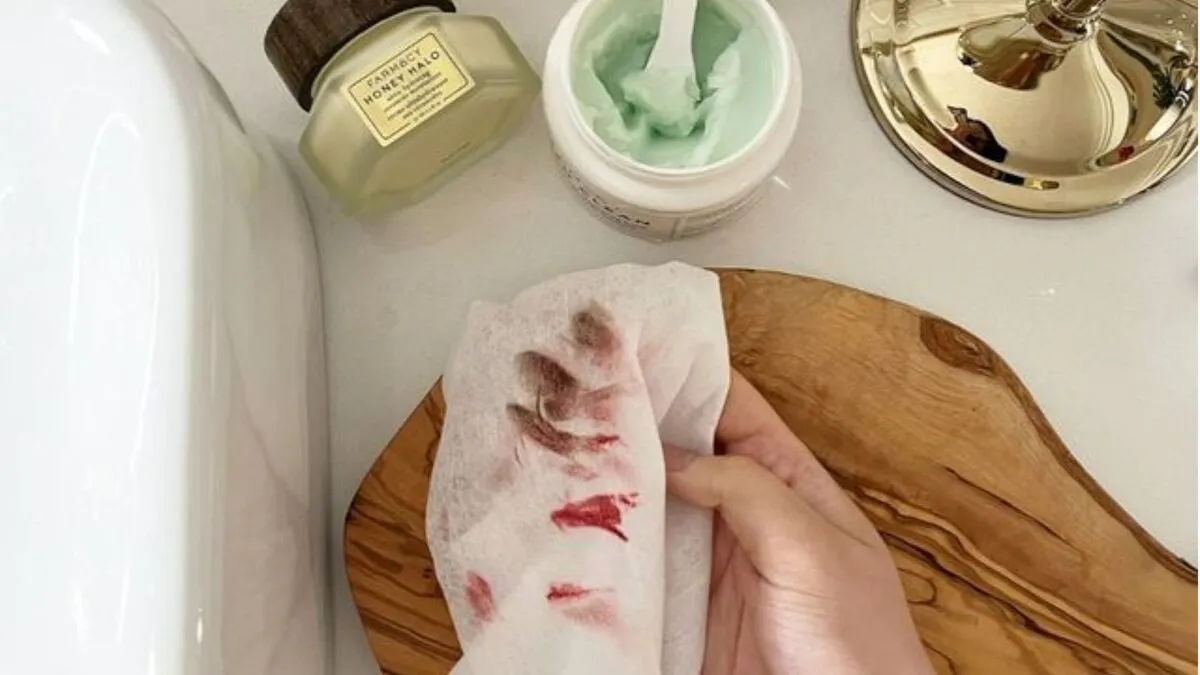 Image Credits: Pinterest
What About Active Ingredients?
Having sensitive skin does not mean you cannot address pigmentation, acne or signs of ageing. However, the skin must first be comfortable enough to tolerate treatment. Low-strength niacinamide or topical tranexamic acid may be considered depending on the concern.
- Avoid introducing multiple actives simultaneously, particularly retinol, exfoliating acids and strongly acidic vitamin C formulations. Burning is not a sign that a product is working.
- During a flare-up, temporarily discontinue potentially irritating actives and return to the basics: gentle cleansing, moisturisation and sun protection.
- Choose fragrance-free rather than merely unscented products. Remember that botanical, natural and hypoallergenic labels do not guarantee better tolerance. Test new products in a small area for seven to ten days before introducing them into your routine.
- Persistent burning, itching, redness or scaling warrants a dermatological assessment to rule out conditions such as rosacea, eczema or contact dermatitis.
 Image Credits: Pinterest
Conclusion
Ultimately, the first milestone in skincare should not be brighter or younger-looking skin. It should be skin that feels comfortable. Everything else can be built upon that foundation.
Stay tuned for such stories on HerZindagi.
- What is the best AM-PM routine for sensitive skin?
- AM: Gentle fragrance-free cleanser + barrier-supporting moisturiser with ceramides + SPF 30-50 mineral sunscreen. PM: Gentle cleansing + moisturiser on damp skin. Keep it simple, skip extra serums.
- Can sensitive skin use active ingredients like retinol or Vitamin C?
- Yes, but only after your skin barrier is calm. Avoid starting multiple actives together. Low-strength niacinamide or tranexamic acid are better tolerated. Stop actives during flare-ups.
- Why does my skin sting after applying skincare?
- Stinging happens due to a compromised skin barrier and heightened nerve sensitivity. Even oily skin can be sensitive. Switch to fragrance-free, soap-free products and see a dermatologist if burning, redness or scaling persists.
Our aim is to provide accurate, safe and expert verified information through our articles and social media handles. The remedies, advice and tips mentioned here are for general information only. Please consult your expert before trying any kind of health, beauty, life hacks or astrology related tips. For any feedback or complaint, contact us at compliant_gro@jagrannewmedia.com.