
Why More Skincare Isn't Giving You Better Skin: And What Actually Works

Many people feel that using more products, having more treatments, and using more skincare products will improve their skin. However, that is not always the case; over-treating the skin can often lead to increased sensitivity and irritation. While skincare is now a huge part of evryday life and having a routine is nothing wrong, adding too many active ingredients, using too many products, and using the incorrect treatments can disrupt the skin's natural balance, leaving you with dryness, redness, sensitivity, and sometimes even breakouts.
Walking into a beauty store, or looking at skincare recommendations online, leaves us with a huge list of products to use. Retinol, Vitamin C, Glycolic acid, Salicylic acid, and Niacinamide can all be beneficial. However, simply because they work well doesn’t mean you should use them every single day. People often add too many products at once: an exfoliating acid in the morning, retinol in the evening, and an additional active ingredient. Dr. Ajay Rana, Founder and Director of ILAMED and President of the Indian Society of Aesthetic Medicine (ISAM), explains how more products mean more problems.
The Skincare Paradox: When More Products Mean More Problems
Using too many products causes an opposite effect. Using too much exfoliating can strip the skin of its natural oils, causing a weakened skin barrier. Using too much retinol can cause scaling, redness, dryness, and irritation, especially if used with strong ingredients. Even worse, people often get confused and think this is the product working. They continue using it, hoping their skin will adapt. Persistent irritation shouldn’t be ignored. Your routine should be tailored to YOU. Your skin type, age, sensitivity, and any issues you may have are all important factors. What works for someone else may not work for you.
We often forget that a healthy skin barrier is key to having healthy skin. Your skin barrier acts as a protective layer keeping moisture in and irritants out. If your skin barrier is working correctly, your skin will protect itself and maintain its natural balance.
Using too much exfoliation, harsh cleansers, wrong products, and too many treatments can cause damage to your skin barrier. This will cause your skin to become tight, flaky, itchy, red, and sensitive to products. Often, people will turn to another moisturiser, serum, or treatment. However, your skin may actually need a break.
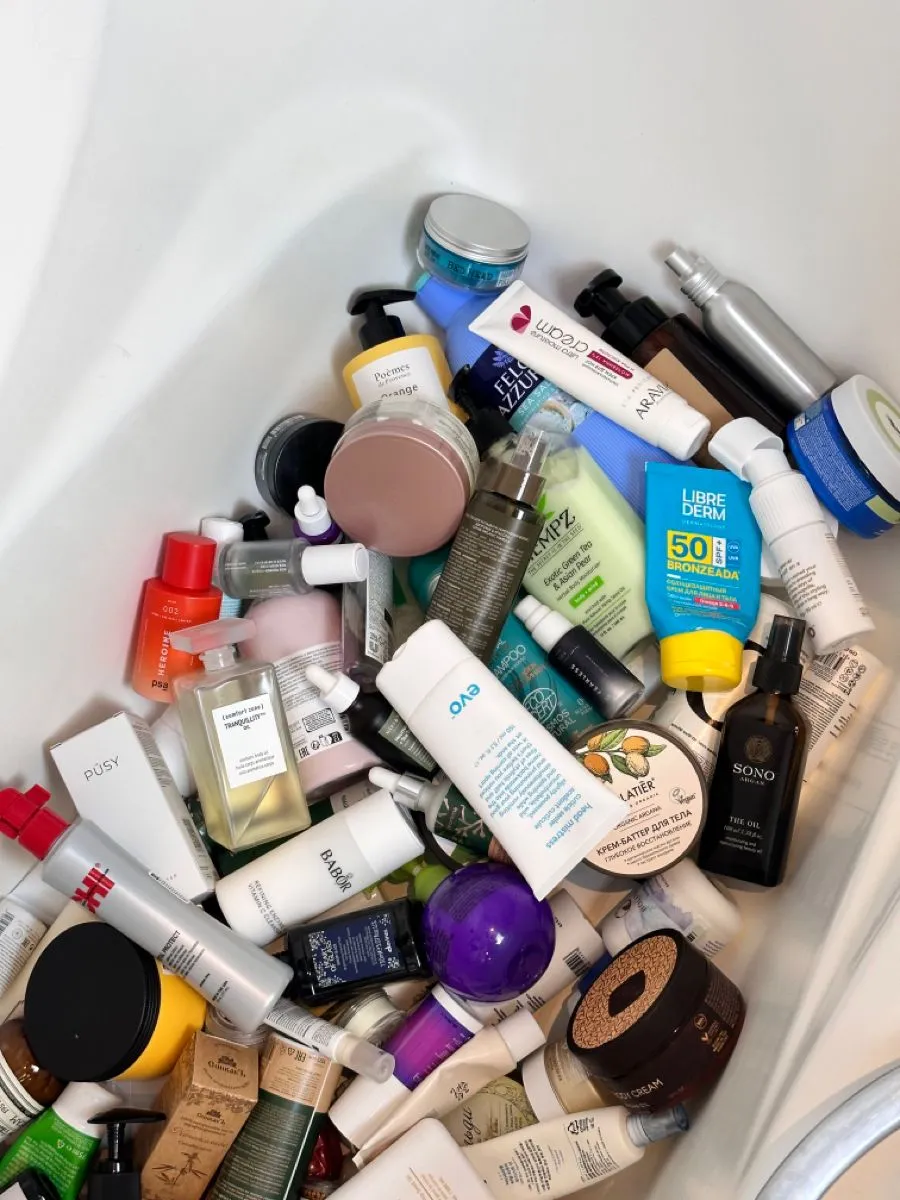
Understanding Your Skin's Natural Defences: The Skin Barrier
The first step in improving the skin barrier is to start removing irritating ingredients. Using a gentle cleanser, moisturiser and sunscreen daily can make a big difference. You should add ingredients such as ceramides, glycerine and Hyaluronic acid can help hydrate and repair your skin barrier.
It’s important to remember that not all healthy skin will be perfect. We all have pores, fine lines, the odd pimple, and textural differences. With the popularity of dermatology increasing, treatments such as chemical peels, lasers, microneedling, skin boosters and radiofrequency treatments have become more accessible. They can be very useful if used correctly for the right reasons. However, a common misconception is that using treatments more frequently will cause faster and better results.
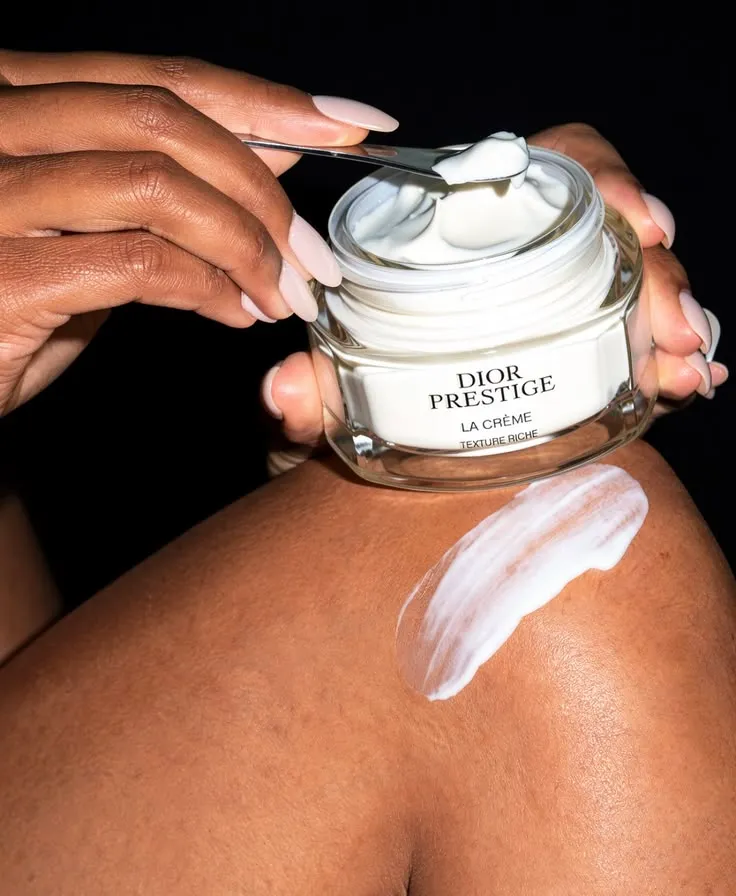
Identifying the Signs of Skincare Overload
Your skin doesn’t work in the way we think. Every treatment causes some kind of reaction in the skin. This means your skin will need time to recover. Chemical peels cause a controlled amount of exfoliation. Microneedling on the hand causes the skin to repair itself and create collagen. Both need recovery time between treatments. Trying to fit too many treatments into a short period of time can cause your skin to become inflamed and irritated. In some cases, your skin can become permanently red or develop dark spots.
Lasers can be tricky to use, especially on Indian skin. Indian skin tones can be more prone to pigmentation after irritation. This means you need to be very careful with what laser is used, what settings, and what the patient’s skin history is. If the wrong treatment is used, or an aggressive laser is used, this can make pigmentation worse. Always take a holistic approach.
ALSO READ- Why You Should Never Put Lemon Or Toothpaste On Pimple: Dermatologist Explains
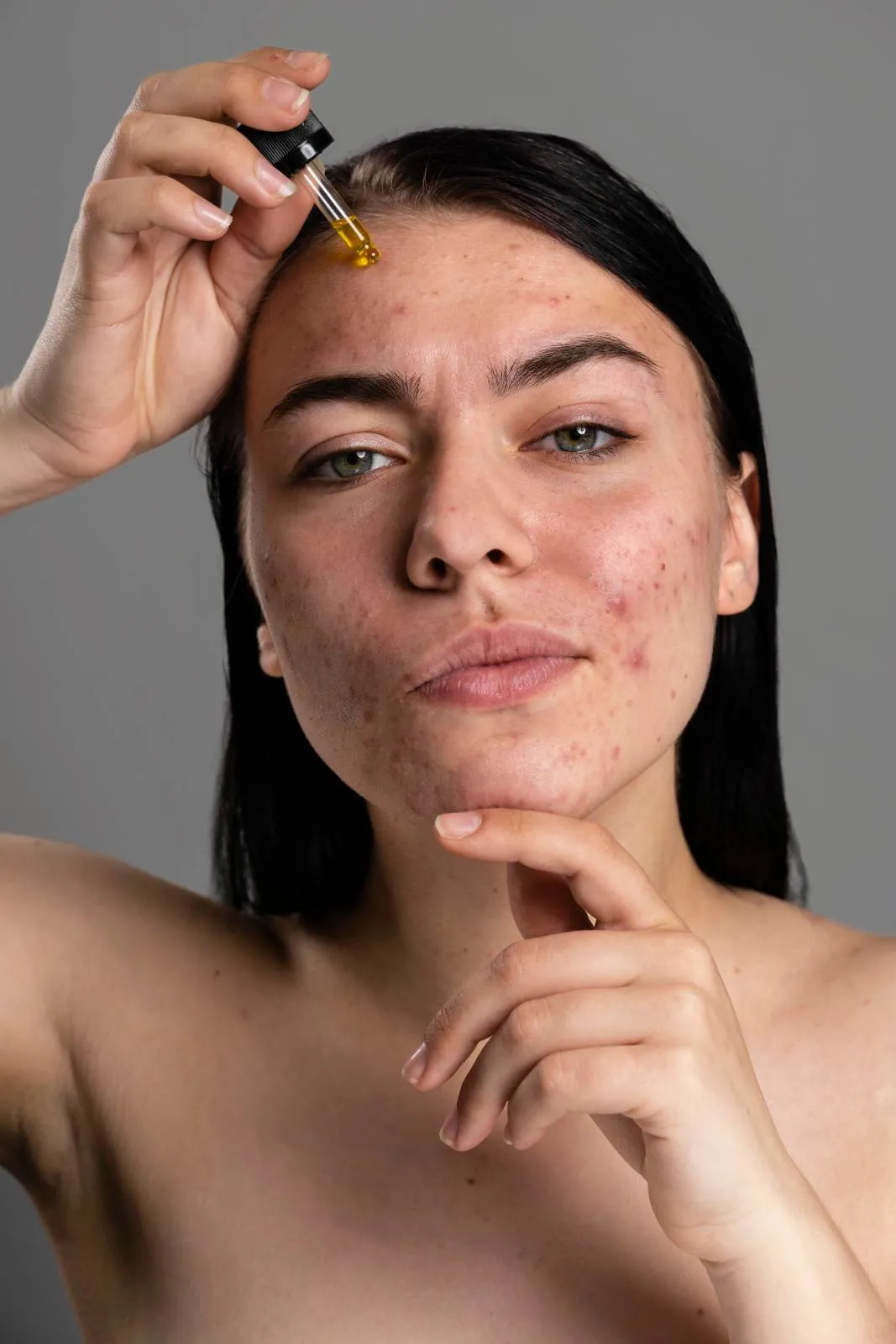
Social Media Feeds: The Flawless Skin Mentality
A year ago, most people would visit a dermatologist if they had a particular issue with their skin. Now many patients will come in with a list of products or treatments they saw online; some will have already tried a few. While social media has made skincare easier to find, it has also caused confusion. Influencers will often show their morning/night routine, recommend products to use, and talk about treatments as if they are suitable for everyone. Filters, lighting, and digital editing can cause a complete misunderstanding of what ‘normal’ skin looks like.
Sometimes people get concerned over features they should be fine with. Having visible pores, a dark spot, fine lines, and textural issues doesn’t always mean your skin isn’t healthy. However, now people see edited pictures they feel they need to treat these quickly. Be cautious with product recommendations. A product may work well for someone, but cause breakouts and irritation for someone else. Everyone’s skin will react differently to products depending on their skin type, sensitivity, and any existing conditions. Remember, skincare is personal. Using someone else’s skincare can be expensive and frustrating.

The Pillars of Effective Skincare: Simplicity and Consistency
You don’t need to use 10 products to have a great skincare routine. Start with just 3 products: cleanser, moisturiser and protection. Once you’ve got this sorted, add products to your routine based around your skin concern. Acne sufferers may need acne-controlling ingredients; pigmentation sufferers may need a combination of treatments and sometimes treatments in clinic. Those concerned with ageing can use retinoids and antioxidants if suitable for their skin.
Don’t add too many products at once. Start with what you need and build up slowly. Most skincare ingredients need to be used for a few weeks to see any benefits. A dermatologist can also help here. Sometimes what looks like acne can actually be caused by something else. Pigmentation, redness, and sensitivity can be caused by conditions that require a different approach. If you use the product for the wrong reason, you will delay improvements.
ALSO READ- Delhi Pollution Dulling Your Skin Glow? Try These 10-Minute Clay Masks Detox

Patience Is The Key To Skin Health
We live in a world where everything promises results. Unfortunately, skincare doesn’t work like that. Your skin needs time to repair, rejuvenate, and respond to treatments. Pigmentation, collagen, and textural improvements will take time. Constantly changing your products when you’re not seeing results quickly can make it harder to know what is helping and what is causing irritation.
Getting a good amount of sleep, eating a balanced diet, staying hydrated, managing stress, and protecting your skin from too much sun will all help. While these won’t give you the same gratification as a new cosmetic treatment, they are very important in the long run.
The Final Word
It’s completely understandable to want clear, healthy, and youthful skin. But somewhere along the line, many people have started to think that having a complicated skincare routine will help. More products don’t always mean better skin, and more treatments don’t always guarantee results. Sometimes your skin needs to be treated with active ingredients, given time to recover, and have a routine that looks after its natural skin barriers.
(Image Credits: Maginifc/Pinterest)
Stay tuned for such stories on HerZindagi.
- Why is using too many skincare products bad for skin?
- Using too many actives together can damage your skin barrier, causing dryness, redness, sensitivity, and breakouts. Over-exfoliating and layering retinol, acids, and vitamin C can strip natural oils instead of improving skin.
- What is the simplest effective skincare routine?
- Just 3 steps: gentle cleanser, moisturiser, and sunscreen. Once your barrier is healthy, add only one targeted active at a time based on your concern like acne, pigmentation, or ageing.
- How long should I wait to see results from skincare?
- Most skincare ingredients need 4-6 weeks to show results. Constantly changing products prevents your skin from adjusting and makes it harder to know what is actually working.
Our aim is to provide accurate, safe and expert verified information through our articles and social media handles. The remedies, advice and tips mentioned here are for general information only. Please consult your expert before trying any kind of health, beauty, life hacks or astrology related tips. For any feedback or complaint, contact us at compliant_gro@jagrannewmedia.com.