
Mineral Sunscreen Vs Chemical Sunscreen: Know Experts Recommend Which One For Your Skin Type
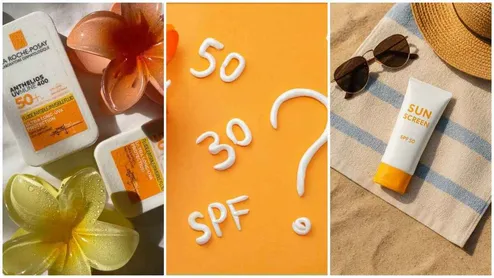
The vast market for sunscreen has made protecting skin from UV rays a priority, but choosing the right formula still remains a challenge. Sunscreen is the most critical step in every skincare routine, aimed at premature aging and skin cancer. However, not all UV filters work in the same manner. The debate boils down to two main sunscreen categories: mineral and chemical sunscreen. Understanding these differences is important as to learn which sunscreen is the best for your skin.
Mineral Vs Chemical Sunscreen: What Is The Difference?
Dermatologist Dr Rinky Kapoor, Co-Founder & Director, The Esthetic Clinics, explains the main differences between chemical and mineral sunscreen. She said, “The easiest way to determine what kind of sunscreen you are buying is to look at its “active ingredients.” If it contains zinc oxide and/or titanium dioxide, it is a mineral sunscreen. If it does not contain either of these ingredients and instead relies on other UV filters, it is a chemical sunscreen. In some cases, a product may contain both types of UV filters and is referred to as a hybrid sunscreen.”
She also added, “There is no single type of sunscreen that is best for everyone. Mineral sunscreens may be preferred by people with sensitive or reactive skin, while chemical sunscreens often have lighter, more cosmetically elegant formulations that may be easier to wear every day. What matters most is choosing a broad-spectrum sunscreen with SPF 30 or higher that suits your skin type and that you are comfortable applying adequately and reapplying regularly.”

ALSO READ- Sunscreen Guide For Your Child: How To Choose Best As Per Skin Type and SPF
Why Do Sunscreens Leave A White Cast?
White Cast is the most common issue with sunscreens, Dr. Kapoor said, “A white cast is more common with mineral sunscreens, particularly traditional formulations, because zinc oxide and titanium dioxide can leave a visible whitish residue on the skin. However, newer micronised and more cosmetically advanced mineral sunscreen formulations have considerably reduced this issue.
She also mentioned, “Tinted sunscreens can also be a good option, particularly for people concerned about pigmentation. Many tinted formulations contain iron oxides, which not only help the sunscreen blend better with different skin tones but can also provide additional protection against visible light, which may contribute to hyperpigmentation.”
Ultimately, what matters most is choosing a broad-spectrum sunscreen that suits your skin type and using it adequately and consistently.

Does Heat Play Affects The Working Of A Sunscreen
Dr Noopur Jain, Founder and Consultant Dermatologist, Skinzest, explained how heat is an important factor in the working of any sunscreen. She said, “Heat can change how sunscreen works, especially when the sun stays hot for a time, when you sweat a lot, or when the light is very bright. Modern sunscreens are designed to stay effective in various weather conditions, but excessive heat and sweat can cause the sunscreen to break down or rub off your skin, reducing its protective effect. In humid weather, your sunscreen can mix with sweat and oil on your skin, making it wipe off very easily. This is why reapplying your sunscreen is important in the summer.”
She suggests putting on a broad‑spectrum sunscreen that has at least SPF 30 and, better still, SPF 50 in a good amount. Sunscreen should be put on again every two hours when you're outside and right after you sweat a lot or after you go swimming. Remember that sunscreen should work together with sun‑protective steps, such as wearing a hat and sunglasses and staying in the shade, and sunscreen should not replace those steps.
ALSO READ- 5 Dermatologist-Recommended Ways To Protect Your Skin During Monsoon
Sunscreen Best Suited For Your Skin Type
Dr. Jain elaborately explained which sunscreen would work the best for which skin type.
Skin Type |
Best Suited Sunscreen |
Sensitive or Reactive Skin |
Mineral sunscreens containing zinc oxide and/or titanium dioxide are often preferred, as they are generally well tolerated and less likely to cause irritation. |
Oily or acne-prone skin |
Chemical or hybrid sunscreens in lightweight, non-comedogenic gel or fluid formulations may feel more comfortable and cosmetically elegant. However, a lightweight mineral formulation can also be an excellent choice. |
Dry skin |
Either can be used; moisturising formulations of both types are suitable. The vehicle and hydrating ingredients are often more important than whether the filters are mineral or chemical. |
Pigmentation-prone skin |
A tinted mineral or hybrid sunscreen containing iron oxides may be particularly beneficial because it provides some protection against visible light, which can worsen pigmentation. |
She also added, “Both mineral and chemical sunscreens can provide excellent broad-spectrum protection, so there is no universally “better” option. The choice should be individualised based on skin type and concerns.”
Conclusion
The best sunscreen is one that provides broad-spectrum SPF 30+ protection, suits your skin and is comfortable enough to be used consistently.
(Image Credit:Pinterest)
Stay tuned for more such stories at Her Zindagi.
- What ingredients are in a mineral based sunscreen?
- A mineral based sunscreen has zinc oxide and titanium dioxide.
- Which sunscreen is suited for sensitive skin?
- Mineral sunscreens containing zinc oxide and/or titanium dioxide are preferred for sensitive skin.
- Which skin type should use tinted sunscreen?
- A tinted mineral or hybrid sunscreen containing iron oxides may be particularly beneficial for pigmentation prone skin.
Our aim is to provide accurate, safe and expert verified information through our articles and social media handles. The remedies, advice and tips mentioned here are for general information only. Please consult your expert before trying any kind of health, beauty, life hacks or astrology related tips. For any feedback or complaint, contact us at compliant_gro@jagrannewmedia.com.