
How To Treat Skin Purging: Expert-Backed Tips For Clear, Healthy Skin
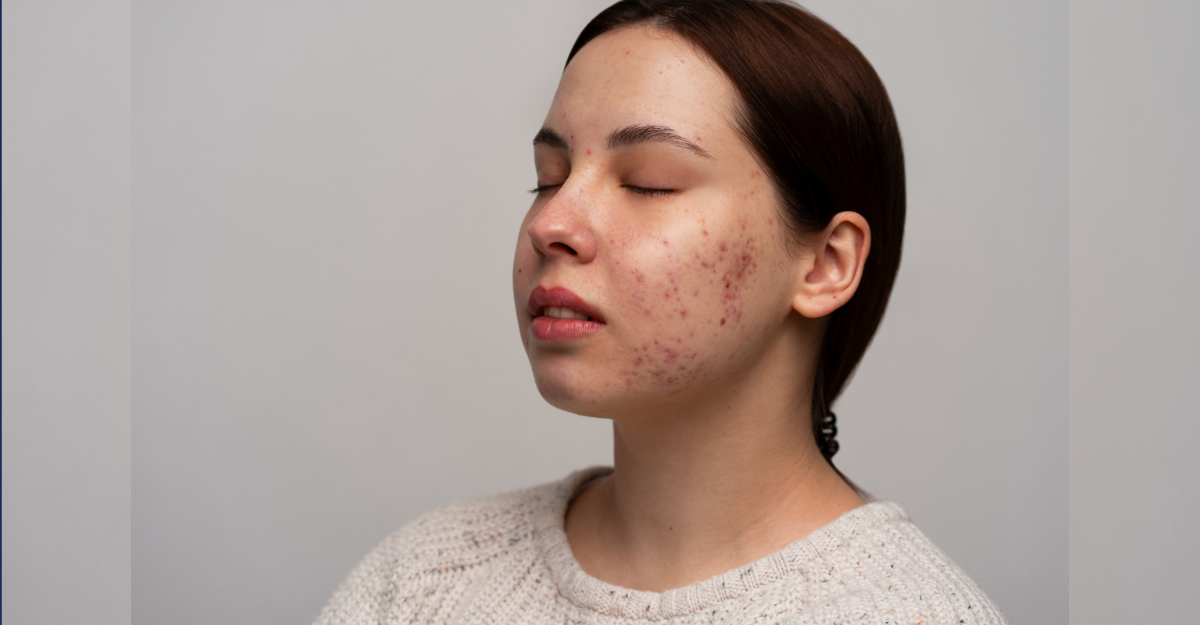
You’ve invested in the latest skincare ingredient: a powerful retinol, a potent acid, or a vitamin C serum, only to be greeted by a sudden flare-up of tiny, frustrating blemishes. Before you panic and toss the bottle, know this: you might not be breaking out; you might be purging.
Skin purging is a temporary, albeit annoying, phase that signals your expensive new actives are actually working. To decode this crucial phase and learn how to speed through it gracefully, we consulted with Dr DM Mahajan, Senior Consultant, Dermatology, Indraprastha Apollo Hospitals, Delhi.
What is Skin Purging?
Dr Mahajan defines skin purging as a temporary increase in breakouts, tiny bumps, or congestion after introducing a new active ingredient.
"It is a result of the product speeding up skin cell turnover," Dr Mahajan explains. "This brings underlying clogs (or micro-comedones) that were buried beneath the surface much faster."
Essentially, the product acts like a fast-forward button, pushing everything that was already brewing to the surface, resulting in short-term blemishes.
What Causes Skin Purging?
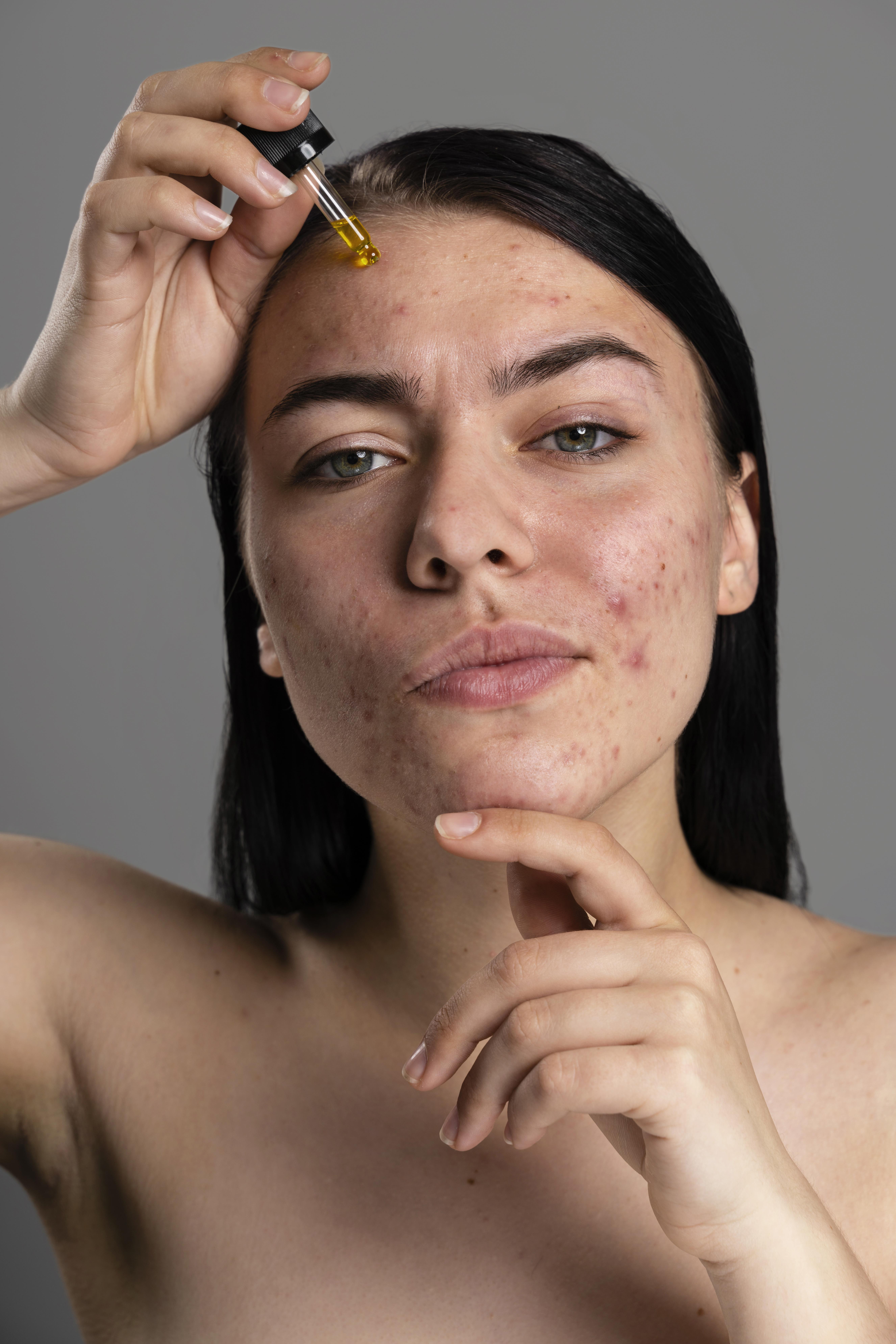
Purging is almost always caused by exfoliating or cell-renewing actives. The usual suspects include:
Retinoids (like Retinol or Tretinoin)
AHAs (Alpha Hydroxy Acids, e.g., Glycolic Acid)
BHAs (Beta Hydroxy Acids, e.g., Salicylic Acid)
Vitamin C
How Long Does Skin Purging Last?
The good news is that the purge is not indefinite. Dr Mahajan confirms that skin purging usually lasts 4–6 weeks.The exact duration depends on your individual skin type, the strength of the product you're using, and the consistency of application.
"If the purging goes beyond six weeks, becomes painful, or worsens considerably, it may not be a purge, but rather an irritation or a true allergic reaction," Dr Mahajan cautions.
Is Skin Purging a Good Sign?
Yes, for the most part. “Purging indicates that the actives are successfully moving out old blockages and encouraging the faster turnover needed for new, clearer skin. Once this phase is regulated, your complexion should look and feel smoother, clearer, and more even,” Dr Mahajan explains.
Don't miss: 5 Habits Of People With Great Skin

The Key Differences Between Skin Purging And Breakouts
How do you know if your bumps are a sign of progress or a sign of product intolerance? Focus on where and when the blemishes appear:
Feature |
Skin Purging (Good Sign) |
Regular Breakouts (Bad Sign) |
Timing |
Occurs soon after introducing a new active ingredient. |
Can happen anytime, unrelated to a new product. |
Location |
Appears in areas where you usually break out. |
May appear in new areas of the face. |
Appearance |
Typically consists of small, clustered whiteheads or tiny bumps. |
Often becomes inflamed, cystic, or painful. |
Duration |
Resolves within a predictable 4–6 week window. |
Continues or worsens long after the product is used. |
How to Treat Skin Purging
The goal during the purge is to support your skin's barrier while the actives do their deep-cleaning work. Here are Dr Mahajan's expert-backed steps for managing the purge and minimising irritation:
Start Slowly: Always introduce actives gradually—begin with 2–3 times a week initially. This allows your skin to adapt without being overwhelmed.
Keep it Gentle: Use simple, gentle cleansers and absolutely avoid over-exfoliation. Your new active is already doing the heavy lifting; don't pile on abrasive scrubs or other strong acids.
Prioritise Hydration: Support the skin barrier by hydrating well. Use non-comedogenic moisturisers that won't contribute to future clogs.
Sunscreen is Mandatory: Actives increase sun sensitivity. Use sunscreen daily without fail to protect the compromised skin and prevent irritation or pigmentation.
Hands Off: Avoid picking or squeezing the purging breakouts. This will only increase inflammation, risk infection, and lead to post-inflammatory marks.
Know When to Call a Dermatologist: If symptoms worsen considerably or last longer than six weeks, reduce the product frequency or consult your dermatologist immediately to rule out irritation or intolerance.
By following these strategic steps, you can confidently weather the purge and achieve the smooth, clear complexion your active ingredients promised.
Don't miss: Ayurvedic Tips To Keep Your Skin Glowing And Hydrated
Image courtesy: Freepik
For more such stories, stay tuned to HerZindagi.
Our aim is to provide accurate, safe and expert verified information through our articles and social media handles. The remedies, advice and tips mentioned here are for general information only. Please consult your expert before trying any kind of health, beauty, life hacks or astrology related tips. For any feedback or complaint, contact us at compliant_gro@jagrannewmedia.com.