
10 Activities That'll Teach Children Trekking and Camping Skills
-1750913027333.webp)
Outdoor experiences offer lessons that classrooms can’t. Children thrive in the outdoors. Climbing rocks, crossing streams, and setting up tents shape them in ways classrooms can’t. These hands-on activities go beyond adventure; they foster discipline, teamwork, and a deep bond with nature.
Here are 10 key activities that instil valuable trekking and camping skills in children.
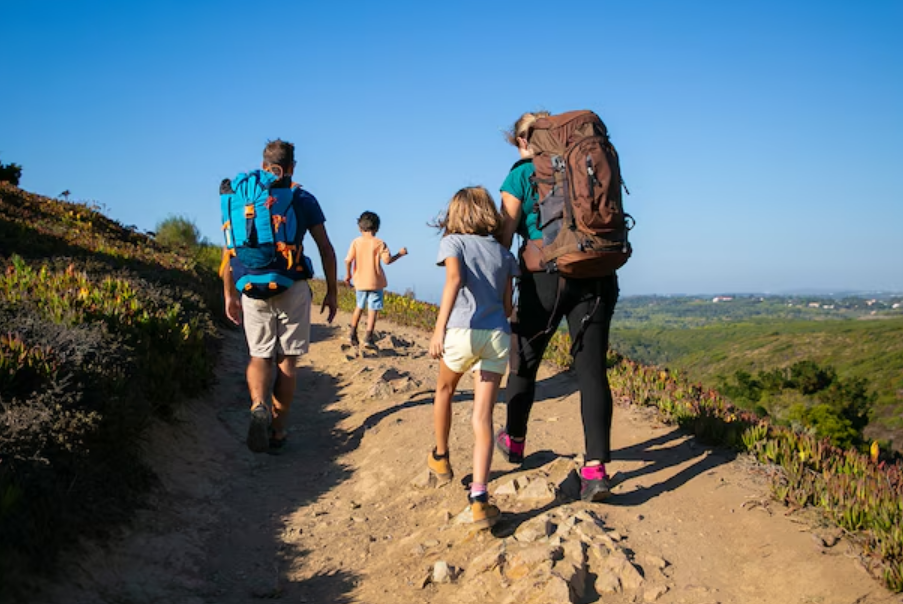
Pitching and Unpitching Tents
Setting up and packing down tents teaches children responsibility and teamwork. They learn how to choose a safe campsite, secure tent structures, and dismantle them efficiently. In the process, patience and cooperation come naturally.
Navigation Using a Compass
Learning to use a compass and navigate terrain enhances children’s decision-making and independence. They understand direction, read basic maps, and explore unfamiliar areas with growing confidence.
Trekking in High Altitudes
Trekking at higher elevations introduces children to the challenges of thinner air and physical exertion. They learn to pace themselves, stay hydrated, and push through fatigue, developing emotional strength and stamina.
Don't Miss: 5 Tips To Add A Dash of Luxury To Any Holiday Without Breaking The Bank
Crossing Streams
Wading through shallow waters and jumping across rocks boosts coordination and trust. “Children learn balance, decision-making, and how to support each other in tough situations,” say outdoor instructors.
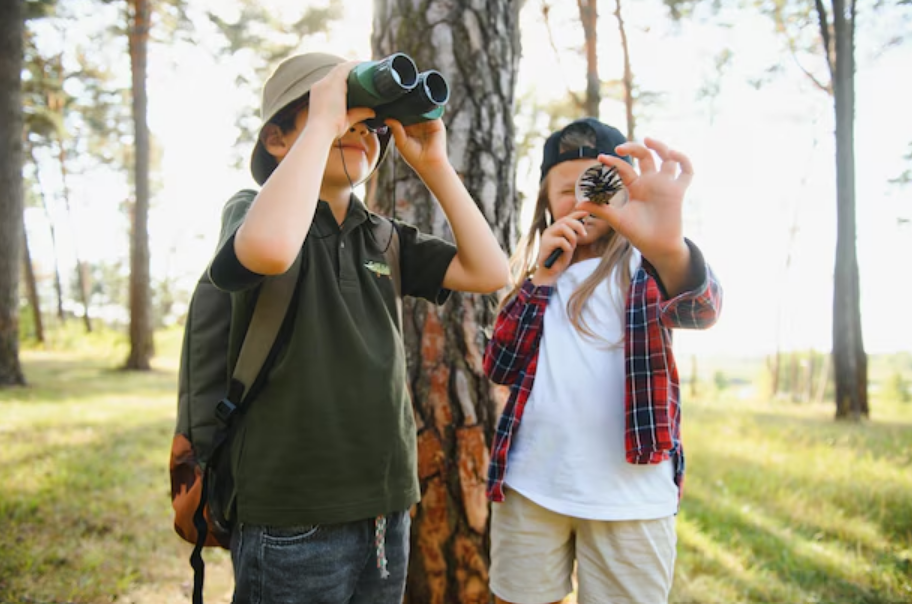
Warm-Up Exercises
Before any physical activity, warm-up sessions are essential. These routines prevent injuries, boost energy, and instil the importance of taking care of the body during treks.
Bouldering Practice
Climbing low rock formations improves strength and mental focus. Bouldering challenges children physically and mentally, building confidence and perseverance with each successful climb.
Cooking in the Wild
With limited resources, children learn to make simple meals and start campfires. “Cooking outdoors fosters self-sufficiency and teamwork,” instructors note. It also teaches problem-solving in unpredictable environments.
Observing Natural Elements
Spending time in nature sharpens observation skills. Children begin to recognise animal behaviour, track weather changes, and connect deeply with the environment around them.
Basic First Aid Training
Children are introduced to emergency response skills like treating cuts, bruises, or sprains. First aid drills teach responsibility and calm, which prepares them for real-world situations.
Trek Journaling
Writing about their outdoor experiences helps children reflect emotionally and creatively. Journaling encourages self-reflection and emotional growth, say educators. It also helps preserve memories and lessons learned.
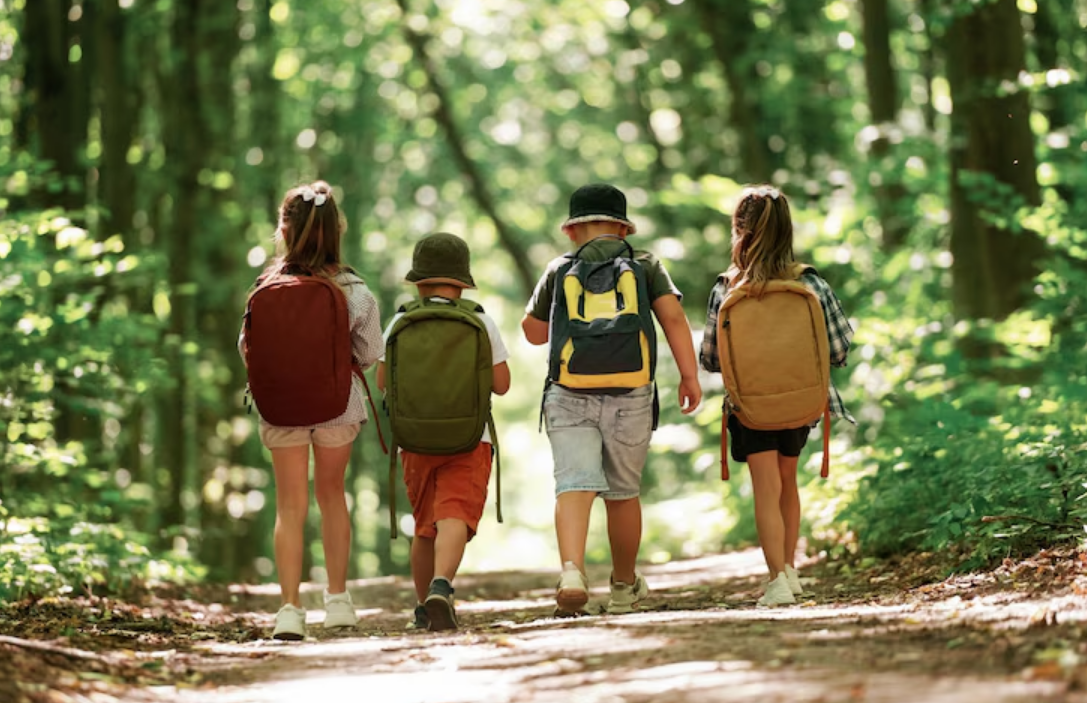
Trekking and camping do more than offer a temporary escape; they build life skills that stay with children for years. Through these 10 activities, young adventurers become more prepared, mindful, and resilient, both on the trail and off it.
Don't Miss: 7 Interesting Facts About Dakshineswar Kali Temple, Kolkata, West Bengal
Keep reading Herzindagi for more such stories.
Image Courtesy: Freepik
Our aim is to provide accurate, safe and expert verified information through our articles and social media handles. The remedies, advice and tips mentioned here are for general information only. Please consult your expert before trying any kind of health, beauty, life hacks or astrology related tips. For any feedback or complaint, contact us at compliant_gro@jagrannewmedia.com.