
Why Goa Burns 50-Foot Narkasur Effigies At 3 AM Before Diwali? Inside Naraka Chaturdashi Tradition
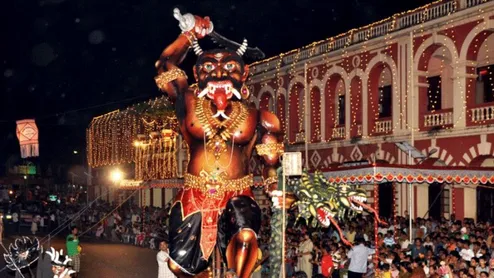
With Diwali 2026 approaching, people have already kick-started their preparation for the grand festival. However, in Goa, Diwali looks a little different, as Naraka Chaturdashi is celebrated instead. Not only does the festival look different, but Goans also construct and burn tall effigies of the demon king Narkasur at dawn. Know the history of this tradition that made the festival of lights a little different for Goa.
Why Goa Burns 50-Foot Narkasur Effigies At 3 AM Before Diwali?
According to legends, there was once a demon named Narkasur who ruled the ancient land of Gomantak, now known as Goa. After he got massive powers from Lord Brahma, he started creating terror across heaven and earth, even kidnapping women.
Locals prayed to Lord Krishna, who fought and killed Narkasur at dawn, freeing the people of his kingdom. Hence, the tradition of torching the effigies at the exact hour of the demon's death began and it symbolises the winning of good over evil.
ALSO READ- Why Do Indians Draw Rangoli At Their Doorsteps On Diwali? The Cultural Significance Explained
When will Naraka Chaturdashi 2026 be celebrated?
Naraka Chaturdashi 2026 will fall on November 8, 2026, same day as Diwali. The festival falls on Chaturdashi of the Krishna Paksha in the Hindu calendar month of Ashvin or Kartika.
Naraka Chaturdashi is also called Kali Chaudas, where Kali means dark and Chaudas means fourteenth.
What are the rituals of Naraka Chaturdashi?
Here are a few things locals in Goa do before the festival of Naraka Chaturdashi.
- Weeks before Diwali, locals build massive effigies packed with firecrackers.
- A day before Diwali, these enormous effigies are paraded through streets and some competitions are also held among neighbourhoods.
- From 3 to 5 AM, locals gather to party and celebrate and the effigies are returned to their respective neighbourhoods to set ablaze before sunrise.
- After burning of the effigy, a holy ritual bath is taken before sunrise.
- Many locals also use their left foot to smash a small, bitter wild berry called karit, symbolising the blood of the defeated demon king.
ALSO READ- Diwali 2026: Complete 5-Day Calendar, Exact Dates, Significance And Traditions
If you want to see the real Goa beyond beaches, come for Naraka Chaturdashi. The 3 AM burning of Narkasur is not just a spectacle of 50-foot effigies, drums, DJs and fire; it is an ancient tradition that has survived many changes in the state.
(Image Credits: Pinterest)
To read more such stories, stay tuned to Her Zindagi.
- When is Naraka Chaturdashi in 2026?
- In 2026, Naraka Chaturdashi falls on Sunday, 8 November.
- At what time is Narkasur burnt in Goa?
- Narkasur is burnt in the wee hours, between 3 AM and 6 AM on Naraka Chaturdashi morning. Parades start around 10 PM the previous night and go on till dawn.
- Is Narkasur same as Ravana?
- No. Rest of India burns Ravana on Dussehra. Goa burns Narakasura on Diwali eve. Both symbolise victory of good over evil but are different legends.
Our aim is to provide accurate, safe and expert verified information through our articles and social media handles. The remedies, advice and tips mentioned here are for general information only. Please consult your expert before trying any kind of health, beauty, life hacks or astrology related tips. For any feedback or complaint, contact us at compliant_gro@jagrannewmedia.com.