
5 Ways To Grow Pomegranate Plants in Your Garden
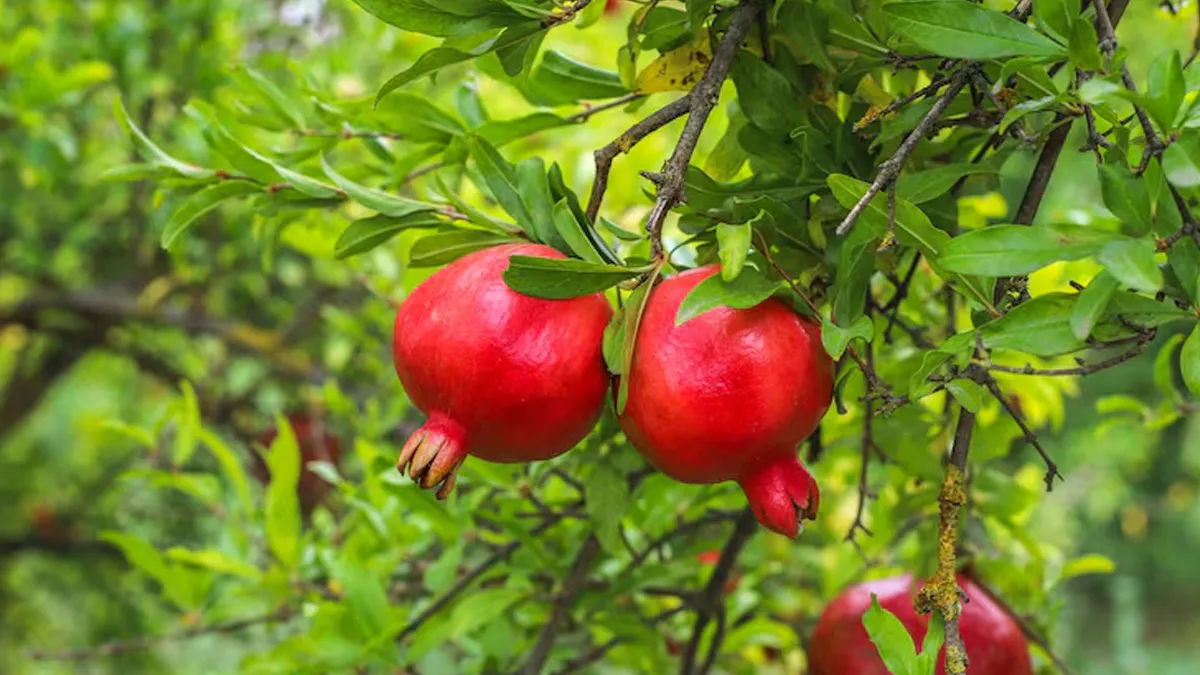
Pomegranates are not only delicious but also packed with nutrients. The good news? They are surprisingly easy to grow in your home garden. Whether you’re a beginner or a seasoned gardener, these hardy fruit plants can thrive with just a little care and the right growing conditions.
Grow Pomegranate Plants in Your Garden
Here are five simple ways to help you successfully grow pomegranate plants in your own backyard or terrace garden.
Choose the Right Variety and Location
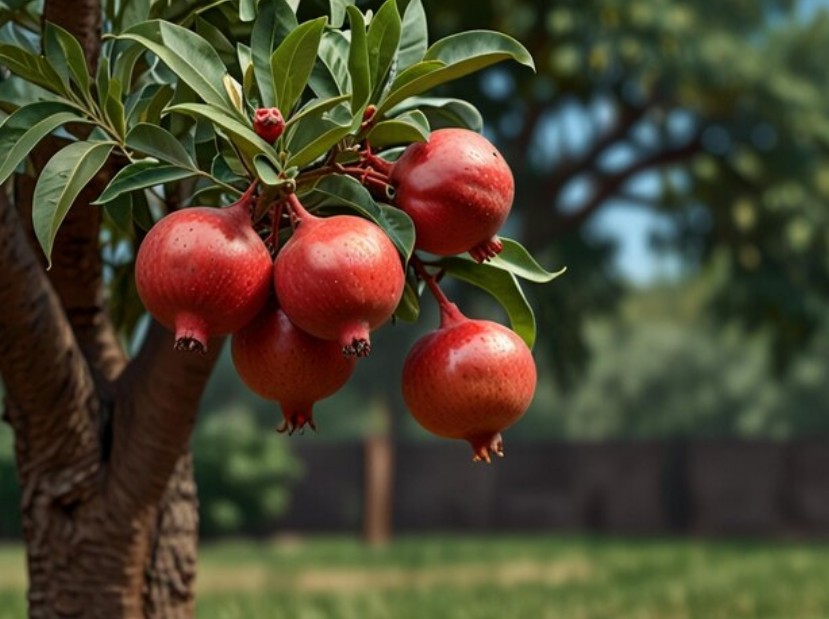
Start by selecting a pomegranate variety that suits your climate. Varieties like Bhagwa, Ganesh, and Arakta are popular in India. Pomegranates love warm, dry climates, so pick a sunny spot in your garden that gets at least six hours of sunlight daily. If your area receives heavy rainfall, ensure good drainage to prevent root rot.
Planting the Right Way
You can grow pomegranates from seeds or cuttings, but using a cutting from a healthy plant is often quicker and more reliable.
- Dig a hole twice as wide as the plant’s root ball.
- Add compost or well-rotted manure to enrich the soil.
- Plant the sapling and press the soil gently around it.
- Water it thoroughly after planting.
Spacing is important; plant each sapling at least five to six feet apart if growing more than one.
Don't Miss: 5 Small Flowers Perfect For Your Home Balcony
Watering Wisely
While pomegranates are drought-tolerant once mature, young plants need regular watering.
- Water deeply once or twice a week during dry spells.
- Avoid overwatering, as soggy soil can damage the roots.
- Mulching around the base helps retain moisture and reduce weed growth.
Prune for Better Growth
- Pruning helps the plant grow in the right shape and improves fruit production.
- Remove dead or weak branches during the dormant season (usually winter).
- Keep 3 to 4 main stems and remove any suckers from the base.
Pruning also allows sunlight to reach the inner parts of the plant, which is crucial for healthy fruiting.
Protect from Pests and Fertilise Naturally
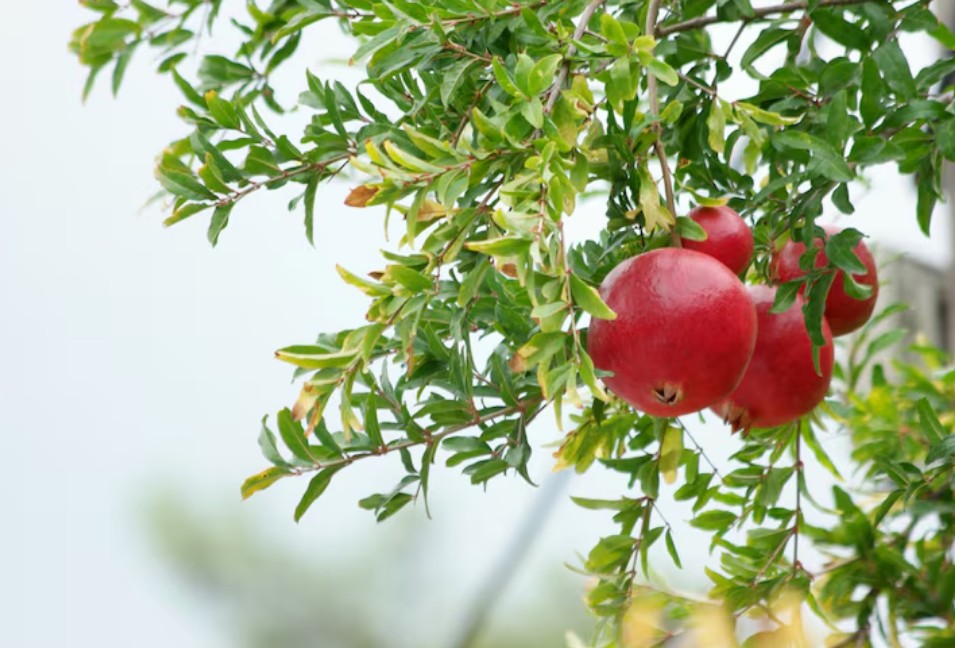
Pomegranate plants are fairly pest-resistant, but aphids, fruit borers, and fungal infections can sometimes occur. Use organic insecticides like neem oil if needed.
Feed the plant with natural compost or vermicompost once every two months to encourage healthy growth and flowering.
- Expect your plant to start fruiting in 2 to 3 years.
- Harvest fruits when they are deep red and feel heavy.
- Regular care, sunshine, and patience will reward you with juicy pomegranates year after year.
Growing pomegranates is a rewarding experience. With just a little effort and consistent care, your garden can be home to one of the healthiest fruits around.
Don't Miss: 5 Secret Gardening Tricks To Make Flowers Bloom Overnight
Keep reading Herzindagi for more such stories.
Image Courtesy: Freepik
Our aim is to provide accurate, safe and expert verified information through our articles and social media handles. The remedies, advice and tips mentioned here are for general information only. Please consult your expert before trying any kind of health, beauty, life hacks or astrology related tips. For any feedback or complaint, contact us at compliant_gro@jagrannewmedia.com.