
Lalbaugcha Raja 2026: Why Is Mumbai’s Iconic Ganpati Called the ‘Navsacha Raja’?
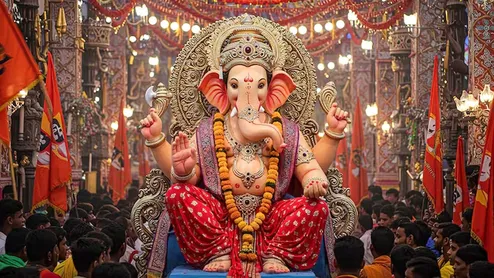
Ganesh Chaturthi Festival is celebrated over ten days, when Mumbai is the place that becomes the centre of worship, celebration, and merrymaking. At the centre of all religious celebrations is placed an idol of Lalbaugcha Raja, who is the most revered and worshipped Ganesha idol in whole Mumbai. This idol is present in the area of Lalbaug in Central Mumbai and is visited by thousands of devotees every year, including celebrities, industrialists, and commoners alike. The fame of the idol is further enhanced by the name of 'Navsacha Raja.'
Why Is Lalbaugcha Raja Called Navsacha Raja?
It was given to the god because local people and those working in the mills felt that their prayers were answered through the intervention of the deity. Year after year, people began to come forward with stories of having overcome serious illnesses, monetary problems, or other problems by praying at this statue. He has a legend of always listening to a devoted prayer, hence the title.
The History Behind Mumbai’s Lalbaugcha Raja
The local fishermen (Kolis) and the traders from the Peru Chawl market were at risk of losing their market. They took a vow (navas) before Lord Ganesha, assuring him that if he helped them get the land for the market permanently, they would install an idol of Ganesh Chaturthi.
With the help of local authorities and landlords, the land was granted for the market. In return, they fulfilled their promise and put up the first idol of Lalbaugcha Raja, dressed as a fisherman, in 1934.
ALSO READ- Why Was Ganesh Chaturthi Once Banned? The Lesser-Known History Behind the Festival
Why Do Devotees Make Navs At Lalbaugcha Raja?
The process of making a navas is complete submission and total trust. The devotees come to the pandal and make their vows depending on the purpose, whether it is for treatment of their sickness, lack of children, success in business, or poverty. To provide services to the devotees, who show strong faith, the pandal operates two different lines as follows:
Navas Line (Charan Sparsh): A line for those devotees who would like to touch the feet of the god to make a vow, which may take 12 to 24 hours or even longer.
Mukh Darshan Line: Faster queue for viewing the idol at a distance.
Lalbaugcha Raja 2026: Why Is It So Famous?
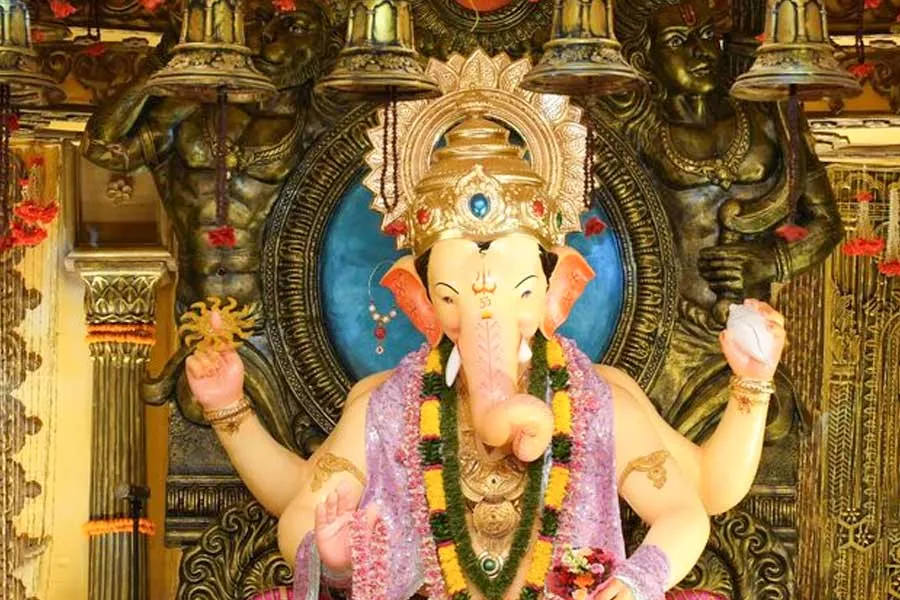
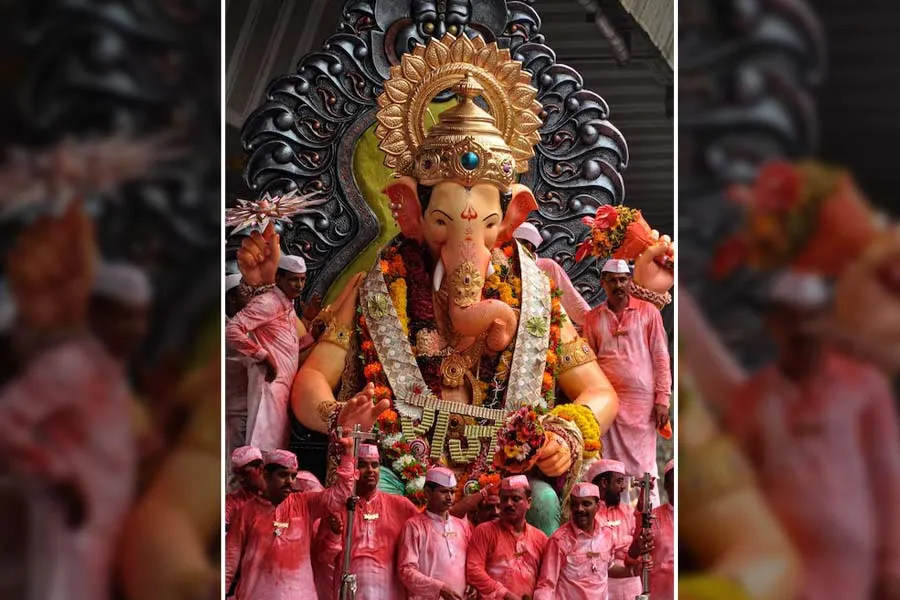
In addition to its historical significance, the Lalbaugcha Raja idol is renowned worldwide due to its huge size, majesty, and theme arrangement, which changes every year. The special feature of the idol design that has been created by the Kambli family over many years is its elegance and royalty.
ALSO READ- Why Lord Ganesha Is Worshipped Before Every New Beginning: The Mythological Story Explained
Conclusion
Lalbaugcha Raja is not only a deity but also the heart and soul of Mumbai. The term 'Navsacha Raja' is a symbol of the almost one-hundred-year-long devotion and oneness that people have exhibited towards their god.
Image credits: Freepik
Stay tuned for more such stories at Her Zindagi.
- Q1: Who crafts the famous Lalbaugcha Raja idol every year?
- The iconic idol has been sculpted exclusively by the Kambli family of Kambli Arts since 1935, preserving its signature regal stance and expression across generations.
- Q2: What is the difference between Navas Line and Mukh Darshan Line?
- The Navas Line allows devotees to go onto the main stage and touch the feet (Charan Sparsh) of the idol, whereas the Mukh Darshan Line offers a quick view of the deity from a short distance.
- Q3: Where is Lalbaugcha Raja located in Mumbai?
- The idol is installed at Putlabai Chawl in the Lalbaug area of Parel, Central Mumbai.
Our aim is to provide accurate, safe and expert verified information through our articles and social media handles. The remedies, advice and tips mentioned here are for general information only. Please consult your expert before trying any kind of health, beauty, life hacks or astrology related tips. For any feedback or complaint, contact us at compliant_gro@jagrannewmedia.com.