
7 Kitchen Ingredients That Act as Natural Manures for Fast Plant Growth
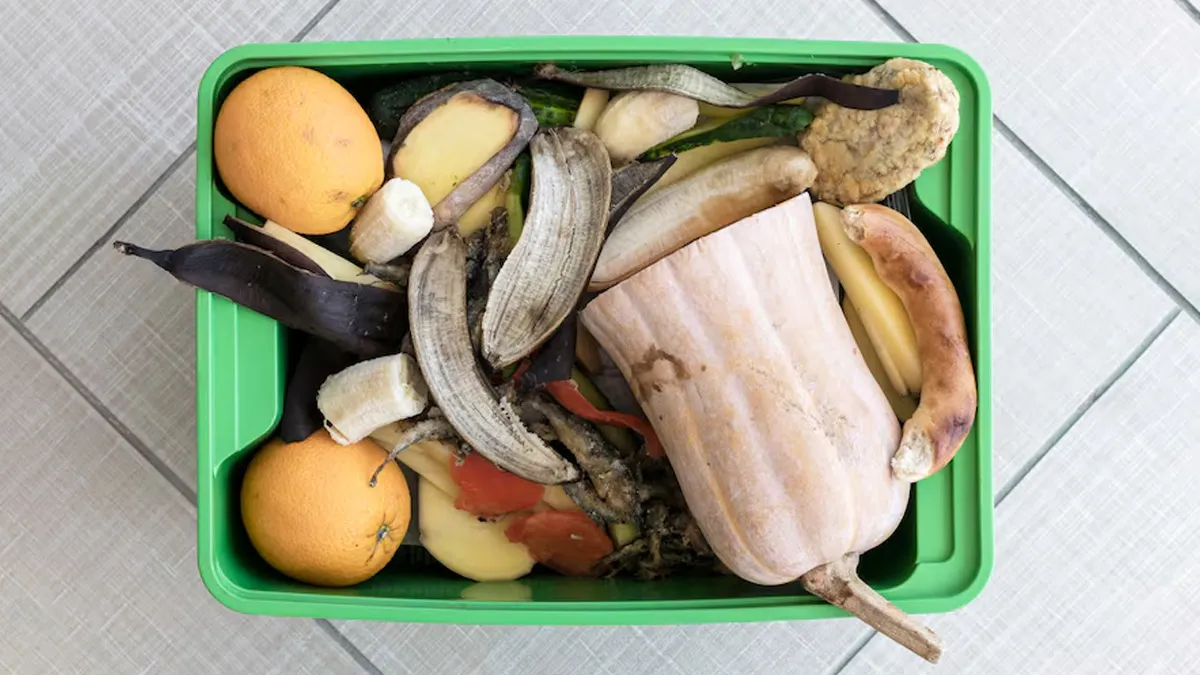
Your kitchen holds far more than ingredients for your next meal; it’s also a surprisingly rich source of natural fertiliser. Many common food leftovers are packed with essential nutrients that can improve soil health, encourage rapid plant growth, and reduce dependence on chemical products. Using these natural manures is not only economical but also a simple way to adopt sustainable gardening habits at home.
Kitchen Ingredients That Act as Manures
Below are seven kitchen ingredients that can transform your plants’ growth, offering nourishment straight from household waste.
Eggshells
Crushed eggshells offer a valuable dose of calcium, helping prevent common issues such as blossom-end rot in tomatoes and peppers. Once dried and ground, they can be sprinkled into the soil or compost bin. Over time, the shells decompose and support long-term soil structure and fertility.

Vegetable Scraps
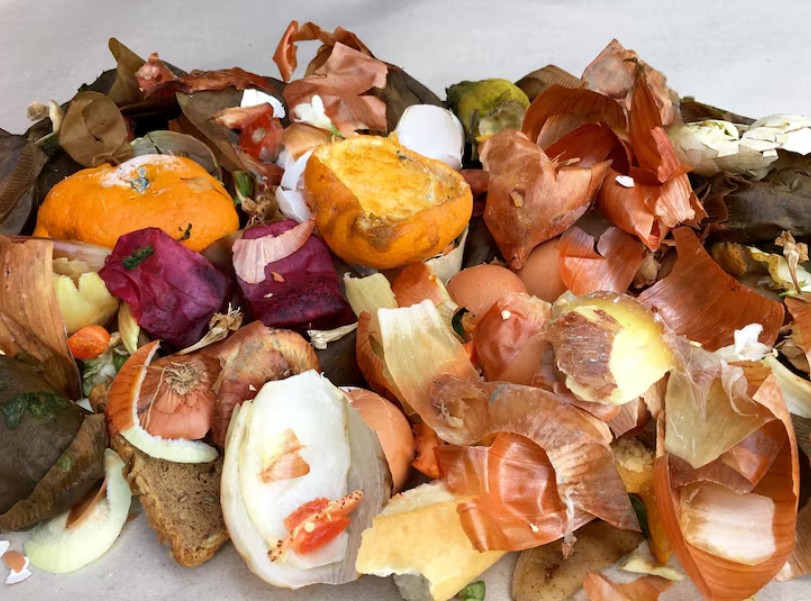
Leftover vegetable peels, such as potato skins, carrot shavings, and wilted greens, break down into nutrient-rich organic matter. They contribute phosphorus, potassium, and trace minerals, all of which support vigorous plant growth. Adding these scraps to compost is one of the easiest ways to reduce waste while enriching soil.
Used Tea Leaves
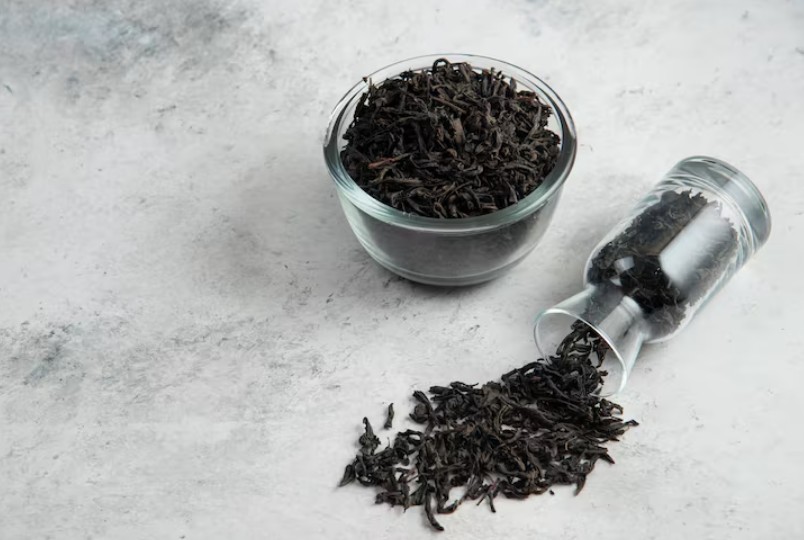
Tea leaves contain nitrogen and helpful organic compounds that improve soil texture and fertility. When mixed into potting soil or added to compost, they provide a mild nutrient release that’s particularly useful for continuous growth. Tea leaves are gentle on roots and can help enhance the soil’s overall moisture balance.
Coffee Grounds
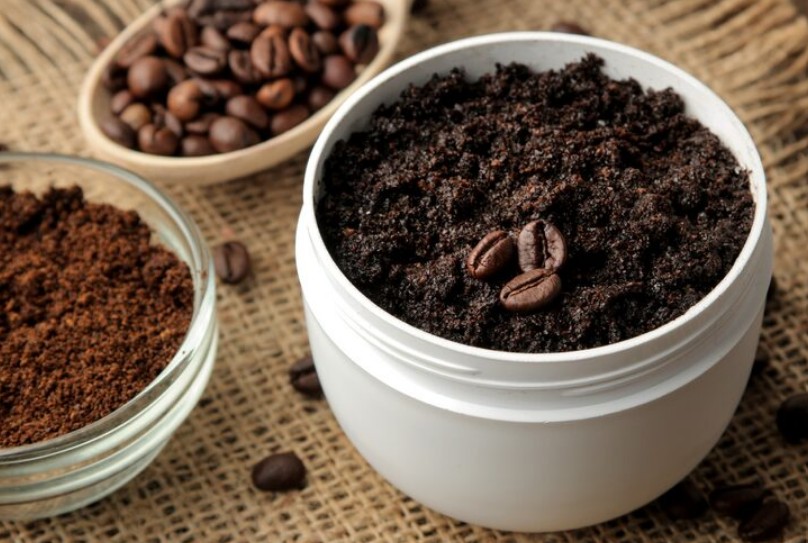
Used coffee grounds are rich in nitrogen, a nutrient vital for strong, green foliage. When mixed into soil or added to compost, they improve aeration and drainage, creating a healthier environment for roots. As they decompose, the nutrients are released slowly, giving plants a steady, natural feed without overwhelming the soil.
Don't Miss: Top 6 Monsoon Plants Every Home Gardener Should Grow This Season
Banana Peels
Banana skins are known for their high potassium content, but they also release magnesium and calcium as they break down. These nutrients play a key role in root development and flowering. Finely chopping the peels and burying them near plant roots, or soaking them in water to make banana peel liquid feed, provides an easy and effective nutrient supply.

Onion and Garlic Skins
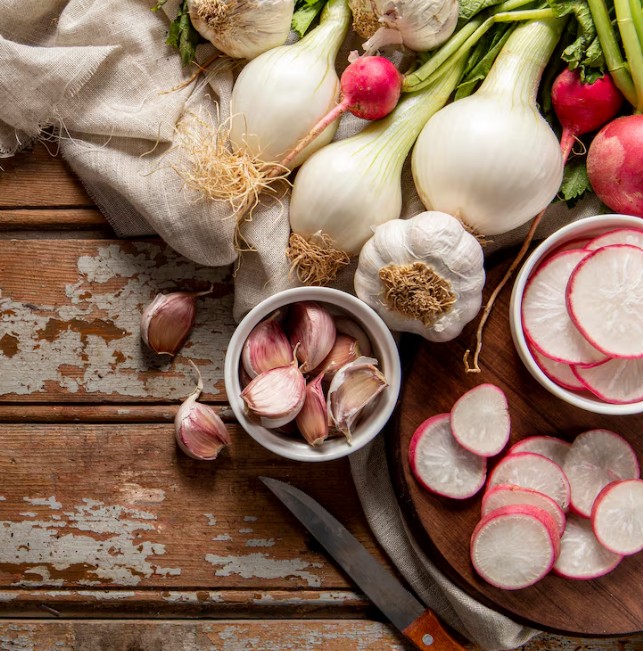
Dry skins of onions and garlic are surprisingly rich in minerals such as potassium, calcium, and iron. When soaked in water, they create a nutrient-infused liquid that can be diluted and used as a natural feed. Many gardeners also value these skins for their subtle pest-deterring properties, offering a dual benefit for home gardens.
Citrus Peels
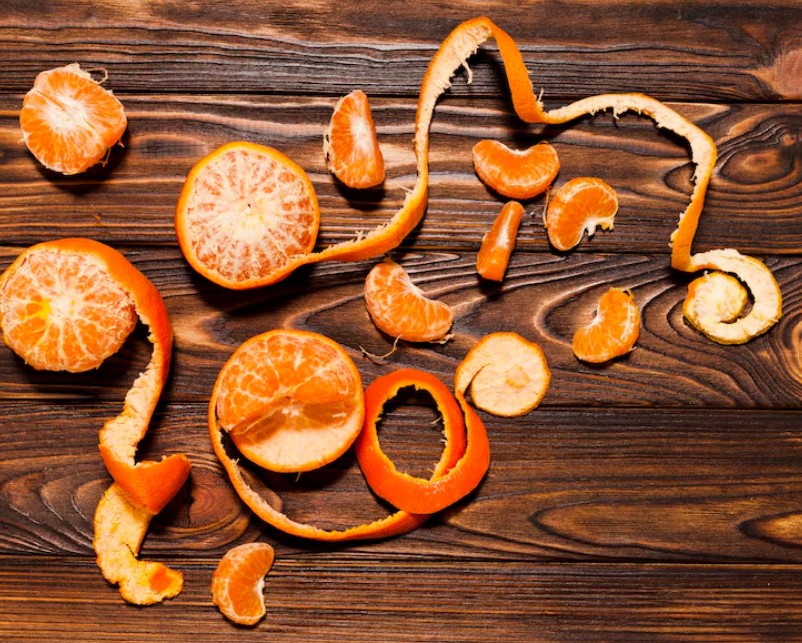
Orange, lemon, and other citrus peels release nutrients slowly as they decompose. While they take longer to break down, they also contain natural oils that help repel certain garden pests. Adding citrus peels to compost in moderation helps avoid overly acidic soil while still contributing valuable organic matter.
Using kitchen waste as natural manure is an easy, environmentally friendly approach to gardening. With simple ingredients like coffee grounds, eggshells, and vegetable scraps, you can improve soil quality and support faster plant growth.
Don't Miss: 5 Orchid Plant Decor Ideas For A Luxe Bedroom Look
Keep reading Herzindagi for more such stories.
Our aim is to provide accurate, safe and expert verified information through our articles and social media handles. The remedies, advice and tips mentioned here are for general information only. Please consult your expert before trying any kind of health, beauty, life hacks or astrology related tips. For any feedback or complaint, contact us at compliant_gro@jagrannewmedia.com.