
What Is Swag Gap Relationship, and Is It Toxic? Here’s What Experts Say

There's an unspoken dynamic playing out in celebrity relationships that's caught the attention of social media commentators and relationship experts alike. Gigi Hadid, Selena Gomez, and Hailey Bieber, three of the world's most photographed women, share something beyond fame and fashion influence. They're all part of couples where the style disparity is impossible to ignore. Whilst they appear in meticulously styled, runway-worthy ensembles, their partners often look as though they've dressed in the dark.
This phenomenon isn't confined to Hollywood, though. Scroll through Instagram or TikTok, and you'll find countless examples of partners where one appears camera-ready whilst the other seems to have put in minimal effort. Welcome to the world of the ‘swag gap’, a term that's sparked heated debates about relationships, effort, and what we owe our partners beyond emotional support.

What Is Swag Gap Relationship
The swag gap describes the noticeable aesthetic imbalance between partners when one consistently presents themselves with more style, polish, or intentionality than the other. It's not simply about wearing designer labels or expensive garments. Rather, it concerns the visible effort someone makes in how they show up, particularly when standing beside their significant other.
Social media has amplified this conversation, with memes and commentary highlighting couples where ultra-glamorous girlfriends pose alongside boyfriends in graphic tees and trainers. Whilst some dismiss this as superficial concern, others argue it reflects deeper issues about respect, effort, and shared values within relationships.
Why the Swag Gap Matters More Than You Think
Critics often suggest that focusing on appearance is shallow when emotional intelligence, loyalty, and compatibility should take precedence. They're not wrong, these qualities form the foundation of healthy relationships. However, dismissing style entirely ignores an important truth: how we present ourselves communicates something about our values and priorities.
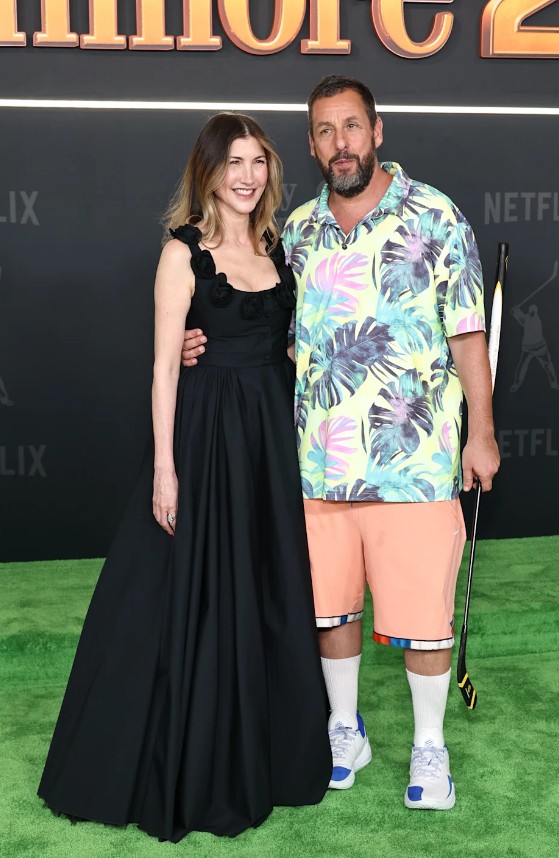
When one partner consistently invests time and thought into their appearance whilst the other doesn't, it can signal a mismatch in how each person approaches shared experiences. It's worth asking: is this truly about fashion preferences, or does it reflect different levels of consideration for one's partner?
The Gender Dimension of Style Imbalances
Interestingly, most swag gap discussions centre around women outdressing their male partners. This isn't coincidental. Society continues to place enormous pressure on women to appear polished and camera-ready in virtually every situation, from formal events to casual outings. Meanwhile, men often receive a pass, joggers and hoodies are deemed ‘relaxed’ on men but ‘sloppy’ on women. The swag gap, therefore, partly reflects broader gender inequalities in societal expectations around appearance.
Don't Miss: From Conflict to Connection: The Role of Couple Therapy in Building Healthier Partnerships
When Style Gaps Signal Relationship Problems
According to relationship research, perceived imbalances between partners can have genuine psychological impacts. A 2021 study in PLOS One examining nearly 1,100 couples found that feeling undervalued in a relationship increases sensitivity to conflict whilst simultaneously eroding self-esteem. When one partner feels consistently overshadowed, even in something as seemingly trivial as fashion, it can quietly diminish their confidence and emotional wellbeing.
Power dynamics also shift when one partner perceives themselves as significantly ‘cooler’ or more socially desirable. Research published in the Journal of Social and Personal Relationships revealed that subjective feelings of power within relationships matter more than objective measures. If the swag gap contributes to one partner feeling superior, it can fundamentally alter how they experience and invest in the relationship.
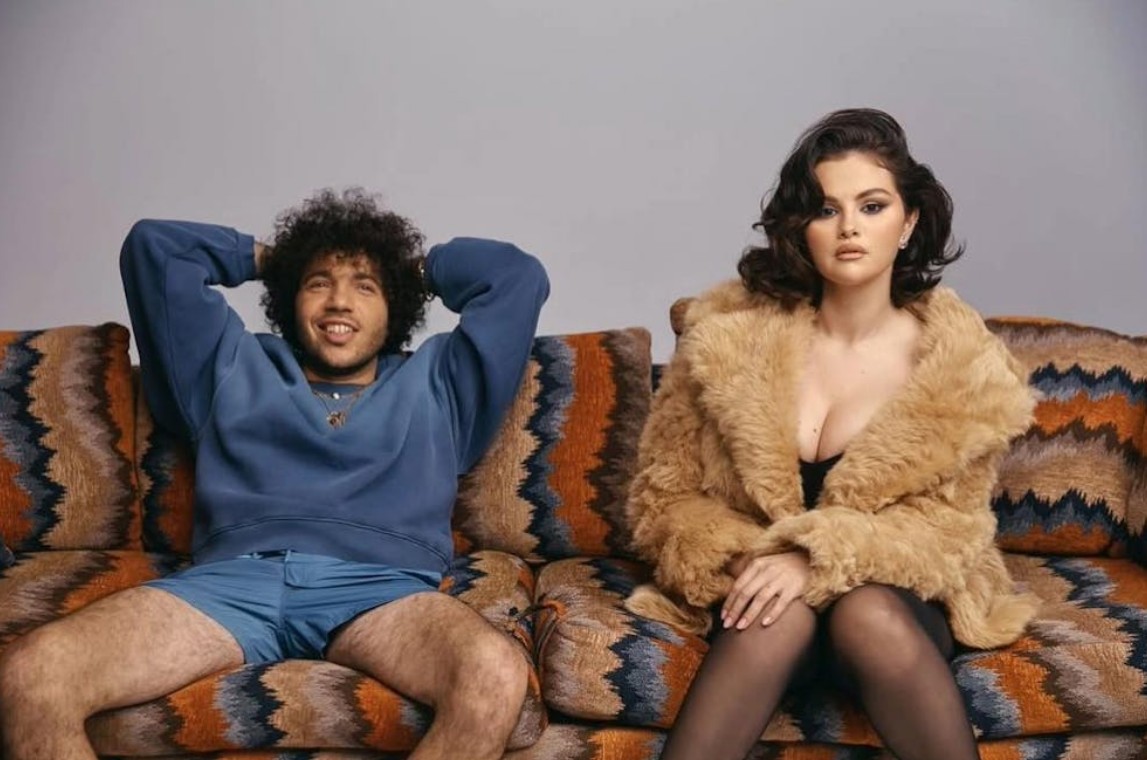
Perhaps most concerning, a 2024 study in the Archives of Sexual Behavior found that individuals who perceive themselves as higher value than their partners show increased interest in alternatives outside the relationship. Feeling consistently more attractive or put-together can inadvertently direct attention outward, potentially threatening relationship stability.
Don't Miss: Top Dating Trends of 2025 and Relationship Predictions for 2026 You Need to Know
Navigating Style Differences in Your Relationship
Not every swag gap signals trouble. Some couples genuinely don't mind the imbalance, one partner simply cares less about fashion, and the other is comfortable carrying the aesthetic weight. The crucial question is whether this disparity creates tension or represents a harmless quirk you both find endearing.
If you feel proud of your presentation and wish your partner would meet you halfway, that's valid. You're not demanding they hire a stylist or overhaul their wardrobe, you're asking for intentionality and effort. If the gap bothers you, open communication is essential. Share how these differences make you feel without framing it as criticism.
The swag gap conversation ultimately invites us to consider what we communicate through our choices and whether we're showing up for our partners in ways that matter to them.
Keep reading Herzindagi for more such stories.
Image Courtesy: Instagram
Our aim is to provide accurate, safe and expert verified information through our articles and social media handles. The remedies, advice and tips mentioned here are for general information only. Please consult your expert before trying any kind of health, beauty, life hacks or astrology related tips. For any feedback or complaint, contact us at compliant_gro@jagrannewmedia.com.