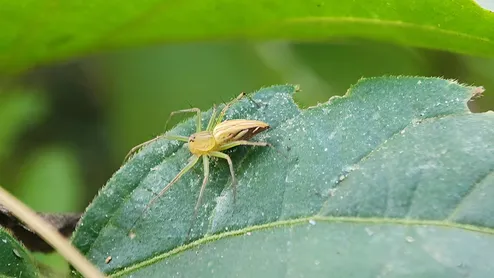
The arrival of the monsoon season is usually a welcome relief after a scorching summer, turning gardens lush, fresh, and beautifully green. However, this period of heavy downpours and soaring humidity is a double-edged sword. The persistent dampness creates the ultimate breeding ground for an array of garden invaders, including sap-sucking aphids, destructive mealybugs, voracious caterpillars, and slimy slugs. While it might be tempting to blast your plants with chemical pesticides, doing so can strip your soil of vital nutrients, leave toxic residues on your home-grown vegetables, and accidentally kill off local pollinators. Fortunately, you can establish an eco-friendly defence network using ingredients right from your kitchen pantry.
4 Natural Ways To Protect Your Plants During The Monsoon
1. Homemade Neem Sprays
Neem is said to be an insecticide superhero in natural home gardens. It works effectively on the lifecycle of soft-bodied garden insects such as aphids, whiteflies, and spider mites without affecting the earthworms and bees. Take one teaspoon of pure cold-pressed neem oil and add a few drops of dish soap to one litre of lukewarm water. Mix and spray the mixture on plants, particularly the underside of the leaves.
2. Copper Tape and Beer Traps
Slugs and snails, which feast on large bites out of spotless greens, come alive in abundance in the wet weather. Just wrap a band of sticky copper tape around the edges of your pots or garden beds. This copper acts as a natural reaction with the slug’s slime, giving it a highly unpleasant static-type shock experience. In case of an existing slug problem, dig a small cup into the soil at the same level and pour some old beer into it, which lures the slugs in to drown.
3. Garlic and Chilli Repellents
Most chewing bugs and other larger bugs that feed on leaves use their sense of smell to move around, and they hate strongly pungent smells such as sharp, sulphuric, and spicy ones. Blend two heads of garlic and 3 to 4 hot green or red chillies in a litre of water. Filter the blend, add half a teaspoon of liquid soap to make it sticky, and spray it on the threatened leaves.
4. Clear Drainage Pathways
Excessively moist and water-laden soil suffocates the roots, and the stressed plants emit distress signals that actively draw the attention of pests. Mosquitoes will come breeding wherever there is standing water. Ensure that the drainage holes at the bottom of all pots are clear of any mud deposits. Place your garden planters slightly off the ground with the help of pot feet or little bricks to allow water to flow through and avoid pest breeding sites.
Image credits: Freepik
ALSO READ- How To Grow Papaya Plants Successfully
If you liked this story, please share it. To read more such stories, stay connected to HerZindagi.