
Top 5 Heat-Resistant Plants for a Blooming Indian Summer Garden

India typically receives intense to extreme heat with dry conditions in summers between March and June. With temperatures frequently exceeding 40-45°C in the northern and central regions, it causes significant stress on plants, leading to rapid water loss and scorched or brown leaf edges. However, there are a few plants which evolve and thrive in the extreme sun, keeping your garden luscious and blooming. From the vibrant Bougainvillea to the fragrant Mogra, we have selected five heat-resistant plants that just don't survive the Indian summer; they own it.
5 Heat-Resistant Plants in Summer
Bougainvillea
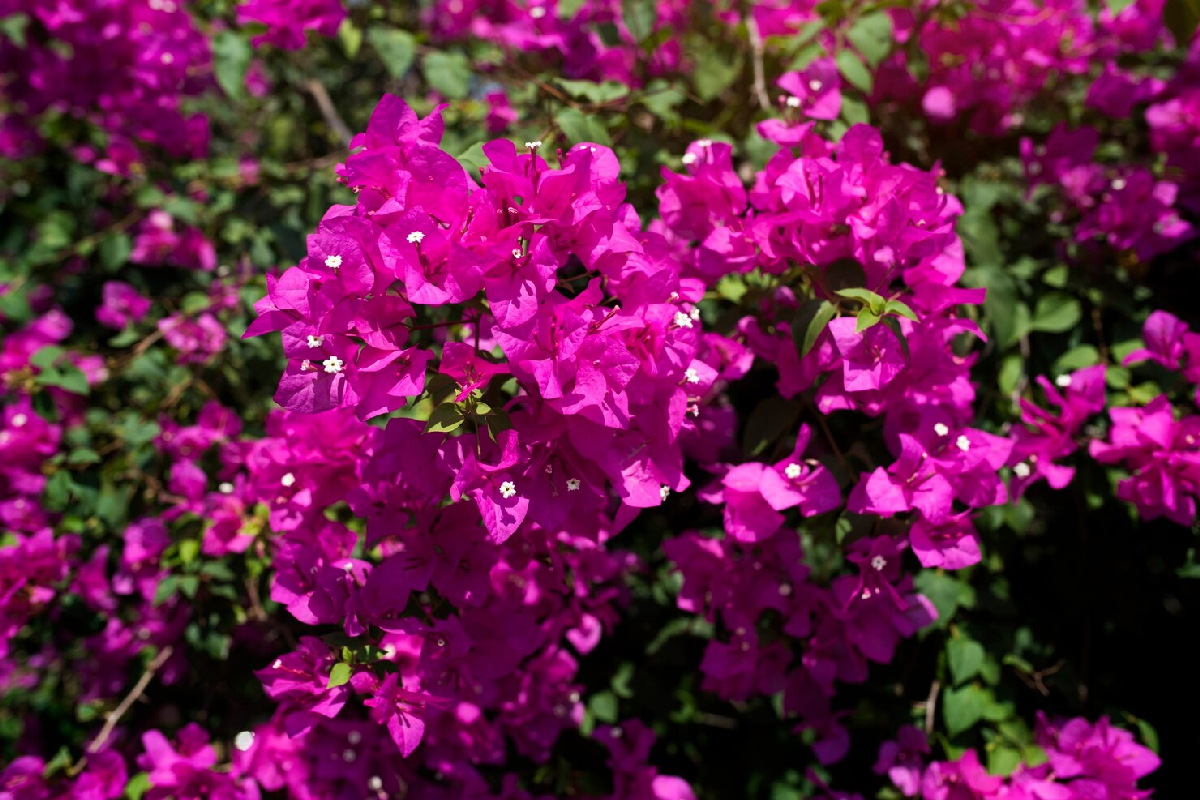
A drought-tolerant and sun-loving tropical woody vine, Bougainvillaea is a summer garden-friendly plant. Known for its vibrant papery petals, it is available in various colours, including pink, white, red, and orange, and also has white true flowers. These plants share a native dry and tropical habitat that triggers their survival mechanism. With maximum growth and bloom production, they thrive in extreme summer heat.
Key Care Tips for Bougainvillaea
Place the plant where it gets full and direct sunlight
Water the plant deeply when the soil dries up.
Use well-drained and slightly acidic soil.
To promote vibrant flowers, use high-potash fertiliser every 4-6 weeks.
After each bloom cycle, soft-prune the tops.
Mogra
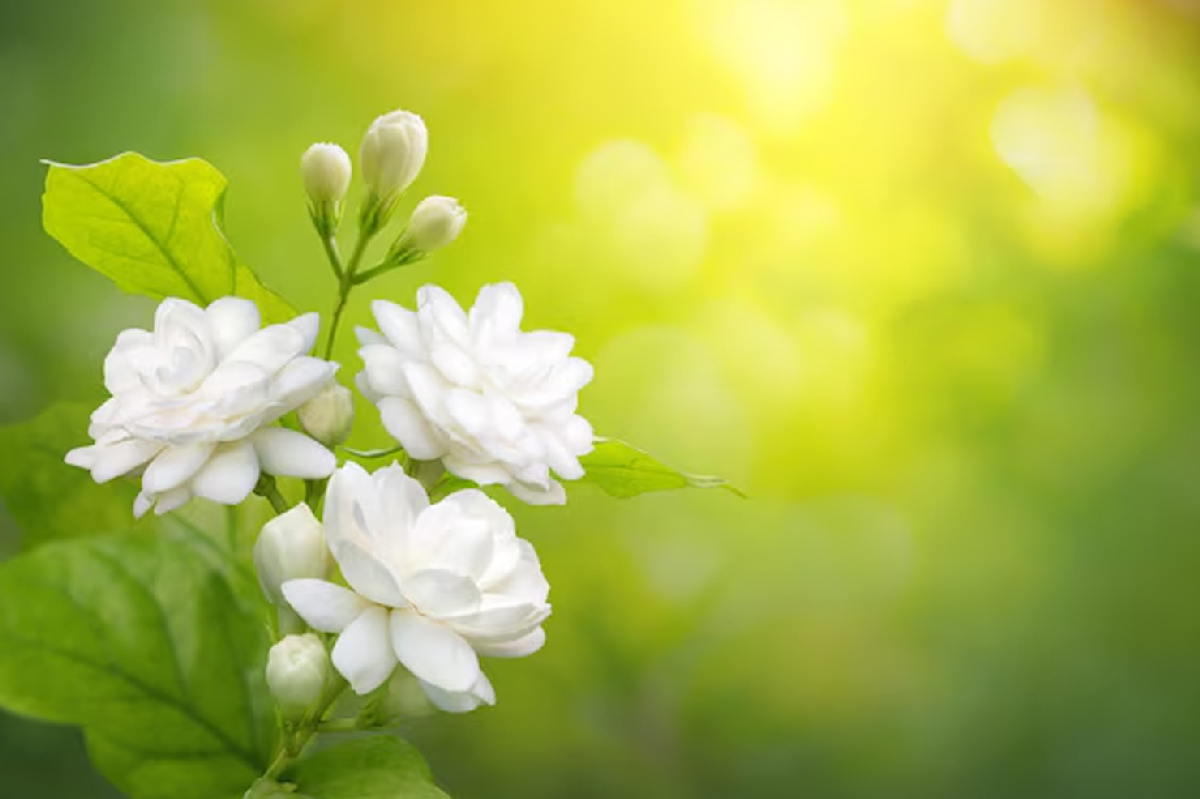
A highly fragrant flowering plant that offers sweet notes in the summer evenings, Mogra or Arabian Jasmine should be planted in your garden. It blooms heavily during hot and humid summers following the monsoons. Also known as 'Moonshine in the garden', it includes single-petaled and double-petaled varieties. It requires five to seven hours of direct sunlight daily to produce energy for blooming in the evening.
Key Care Tips for Mogra
To encourage new growth, hard prune in the winter or early spring.
Use a well-drained soil mix including organic compost or vermicompost.
Avoid waterlogging, but keep the soil moist.
Provide the plants with direct sunlight.
ALSO READ- 7 Plants That Don't Need Daily Watering
Portulaca/Moss Rose
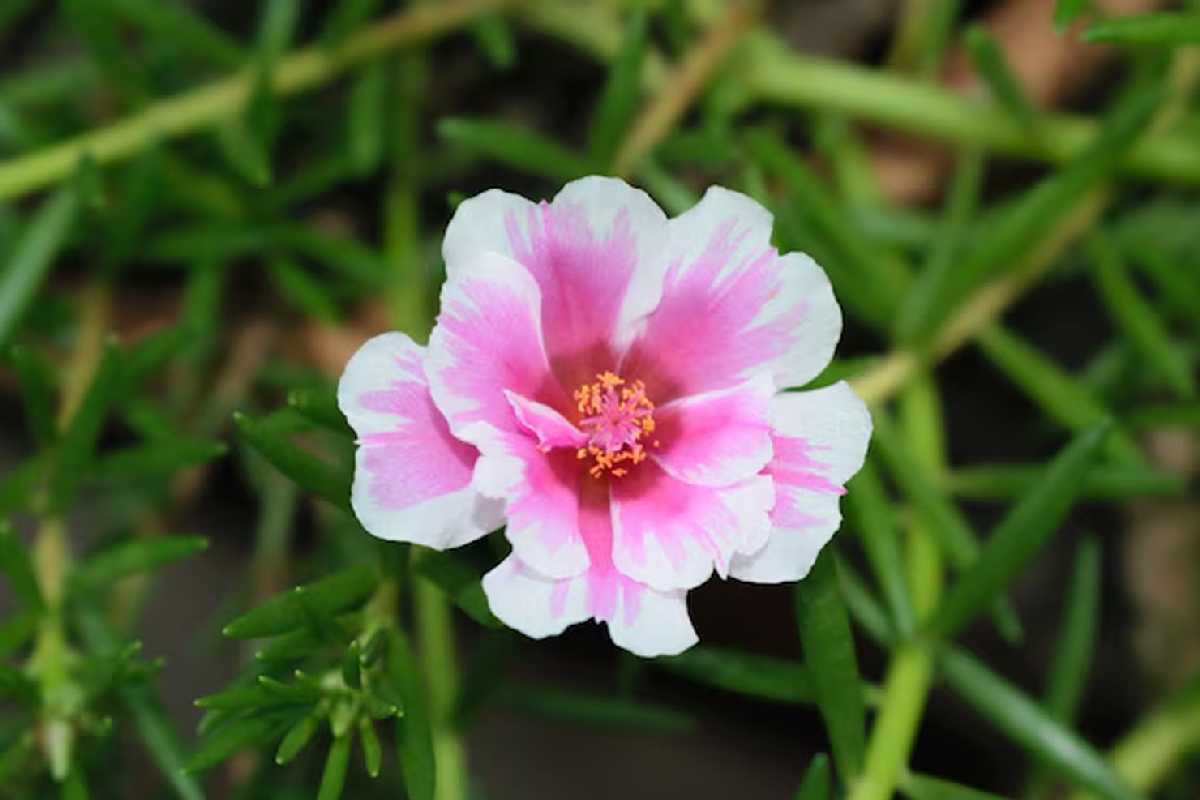
Portulaca, also known as Moss Rose, is a low-maintenance, sun-loving succulent offering mini rose-like flowers in various colours like pink, red, yellow, orange, and white. With needle-like leaves, these flowers bloom and thrive in summer heat, requiring full sun to open and close at night or on cloudy days.
Key Care Tips for Portulaca/Moss Rose
Avoid overwatering, as excessive water can lead to root rots.
Prepare well-drained sandy soil.
Easy to propagate, it can be planted in hanging baskets, walkways, or rock gardens.
Cosmos
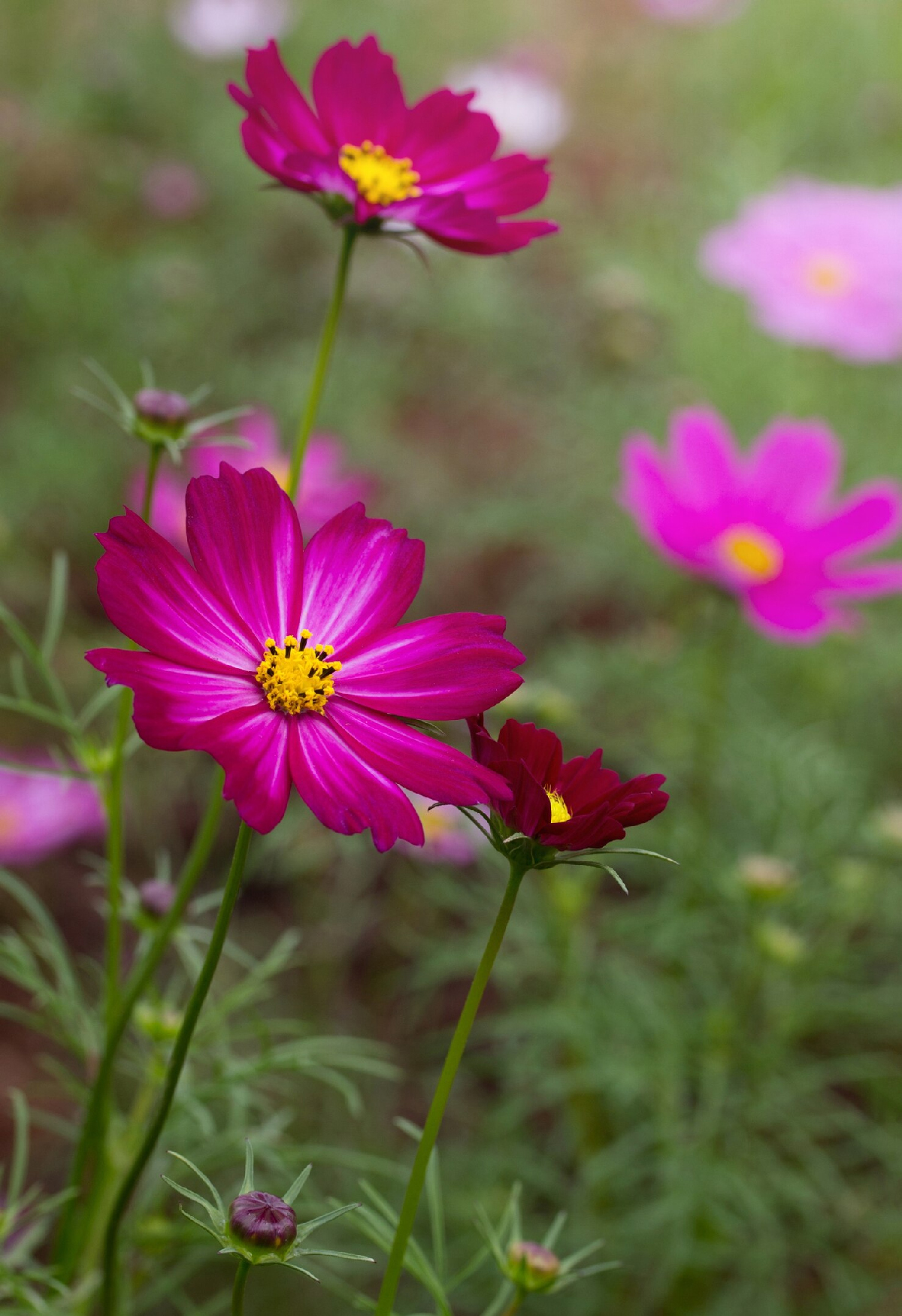
Native to Mexico, Cosmos are fast-growing and sun-loving plants that produce vibrant flowers. These plants are ideal for beginners as they require little maintenance and well-drained soil. Typically comes in two variations, the summer cosmos produces yellow or orange flowers, while the winter cosmos offers bright pink flowers.
Key Care Tips for Cosmos
Prepare a well-drained soil mix.
Sow the seeds directly in the planters in early spring.
Ensure proper air circulation between the plants for healthier growth.
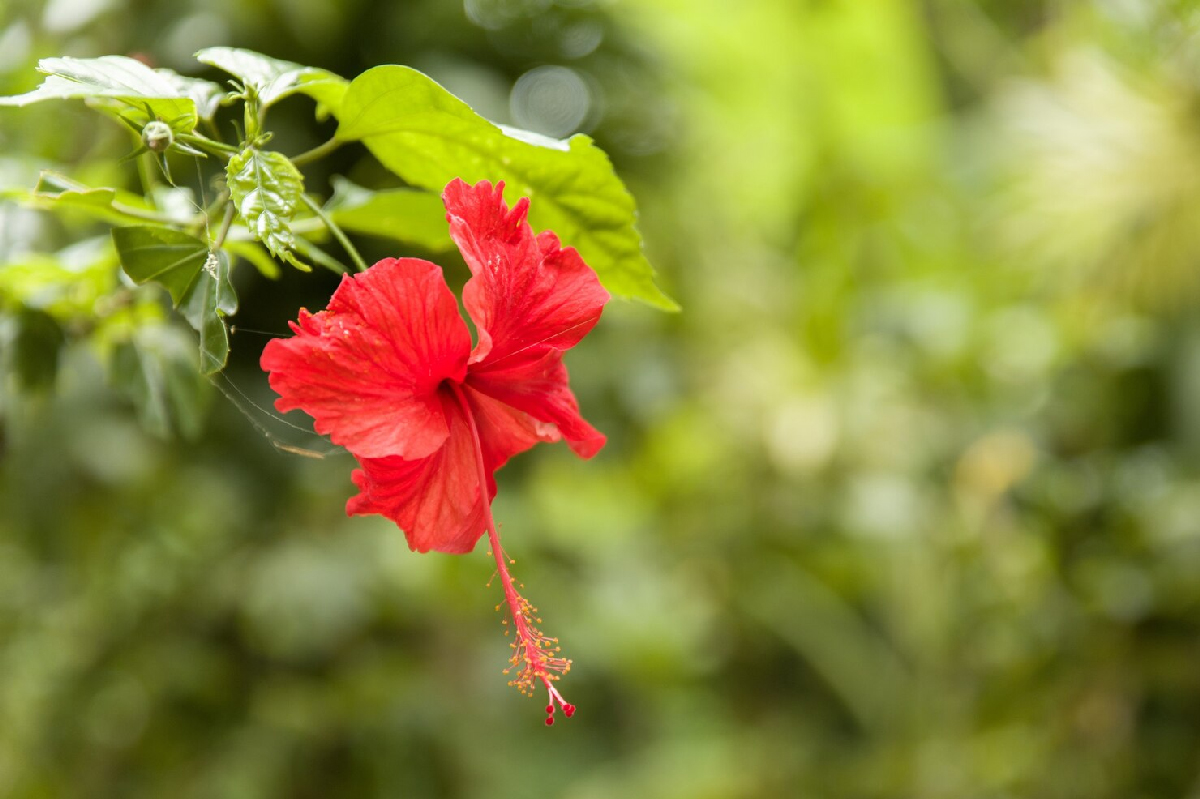
Hibiscus
Known for their large, vibrant, and short-lived blooms, Hibiscus thrive in extreme heat and humidity conditions. These tropical and hardy plants have over 200 to 220 distinct species cultivated worldwide for their distinctive colours.
Key Care Tips for Hibiscus
Place the plants where they get maximum sunlight to fuel their energy-intensive, large blooms.
Frequently water them during hot summer days.
Prepare a rich, well-drained, slightly acidic or loam-based soil.
ALSO READ- How to Take Care of Tulip Plants in Spring: Watering, Sunlight, and Tips
For more such stories, follow HerZindagi!
Image Credit: Freepik
Our aim is to provide accurate, safe and expert verified information through our articles and social media handles. The remedies, advice and tips mentioned here are for general information only. Please consult your expert before trying any kind of health, beauty, life hacks or astrology related tips. For any feedback or complaint, contact us at compliant_gro@jagrannewmedia.com.