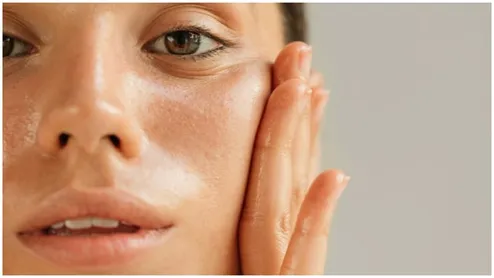
Social media skincare trends arrive in endless cycles, but few have retained widespread popularity quite like "slugging." Rooted in K-beauty practices and popularised across viral beauty platforms, slugging involves coating your face in a thick layer of petrolatum-based ointment (such as Vaseline or Aquaphor) as the final step in your evening routine. The goal is simple: create an airtight lock that traps moisture overnight so you wake up with a dewy, plump complexion.
While slugging can be a lifesaver for severe dryness, it is far from a universal fix. For certain skin types and routines, slathering on petroleum jelly can trigger painful breakouts, clogged pores, and severe skin irritation.
How Slugging Works on the Skin
Petroleum jelly acts as a powerful occlusive agent. Unlike humectants (like hyaluronic acid, which draw water into the skin) or emollients (which smooth rough patches), occlusives create a physical, protective barrier over the outermost skin layer. This barrier can reduce transepidermal water loss (TEWL) by over 98%, allowing an exhausted or compromised skin barrier time to recover under maximum hydration.
Who Should Never Slug?
Despite the rave reviews online, dermatologists caution that slugging is not suitable for everyone. If you belong to any of the following categories, you should skip this trend altogether:
1. Acne-Prone and Oily Skin Types
While pure petrolatum molecules are technically non-comedogenic (too large to enter pores directly), Vaseline acts as a trap. When applied to oily or acne-prone skin, it seals in natural oils, dead skin cells, sweat, and bacteria underneath an airtight shield. This anaerobic environment allows acne-causing bacteria to thrive, frequently resulting in deep, painful cystic flare-ups.
2. Anyone Using Strong Active Ingredients
If your nighttime routine includes potent chemical exfoliants or treatments—such as retinoids (tretinoin, retinol), glycolic acid, salicylic acid, or Vitamin C—slugging over them is a major risk. The heavy seal dramatically amplifies the penetration and potency of these active ingredients. What would normally be a mild treatment can easily cause severe redness, peeling, or chemical burns when trapped beneath Vaseline.
3. Individuals Prone to Milia
Milia are small, stubborn keratin-filled cysts that form tiny white bumps beneath the skin, most commonly around the eyes and cheekbones. Heavy, dense occlusives like petroleum jelly trap dead keratin cells beneath the skin surface, triggering new clusters of milia that are difficult to treat without professional extraction.
4. Skin With Active Infections or Open Blemishes
Slugging over open pimples, popped blemishes, or viral infections like cold sores locks pathogens directly into damaged tissue, hindering the healing process and potentially spreading infections across other areas of your face.
Safer Alternatives for Barrier Repair
If you need deep hydration without the risks of pure petrolatum, consider these lightweight alternatives based on your skin profile:
| Skin Type | Recommended Alternative | Key Ingredients |
|---|---|---|
| Oily / Acne-Prone | Hydrating Gel-Creams | Niacinamide, Hyaluronic Acid, Centella Asiatica |
| Combination / Sensitive | Barrier Repair Moisturisers | Ceramides, Squalane, Fatty Acids |
| Dry / Flaky | Plant-Derived Oils | Marula Oil, Rosehip Seed Oil |
Conclusion
Slugging is a targeted treatment meant for dry skin types or temporary barrier recovery, not a daily imperative for everyone. Before following viral skincare hacks, always evaluate your skin type and current ingredient stack to avoid turning a glow-boosting technique into a skin disaster.
(Image Credits: Magnific/ Pinterest)
Stay tuned to read more such stories on HerZindagi.