
Why Does Dough Become Hard? Know The Right Way To Knead
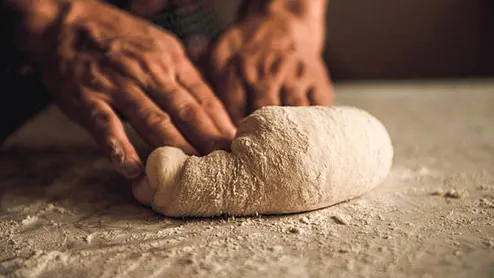
Soft Roti or Chapati baking is totally dependent on the dough texture. The stiffness and dryness of the dough make bread hard. It becomes impossible to roll out such bread. Knowing the common reasons for stiff dough and using the right kneading methods can help you get the soft dough every time.
Why Does Dough Become Hard?
Proteins in the flour need sufficient moisture for hydration. Too little moisture leads to the formation of unhydrated flour that is rigid.
Allowing the dough to come into contact with the atmosphere allows the moisture on the surface to escape, leading to the formation of a tough shell.
Cold water or low temperatures make the gluten strands contract, hence making the dough firm.
Over-working the dough without sufficient water makes the gluten strands contract, hence making it hard.
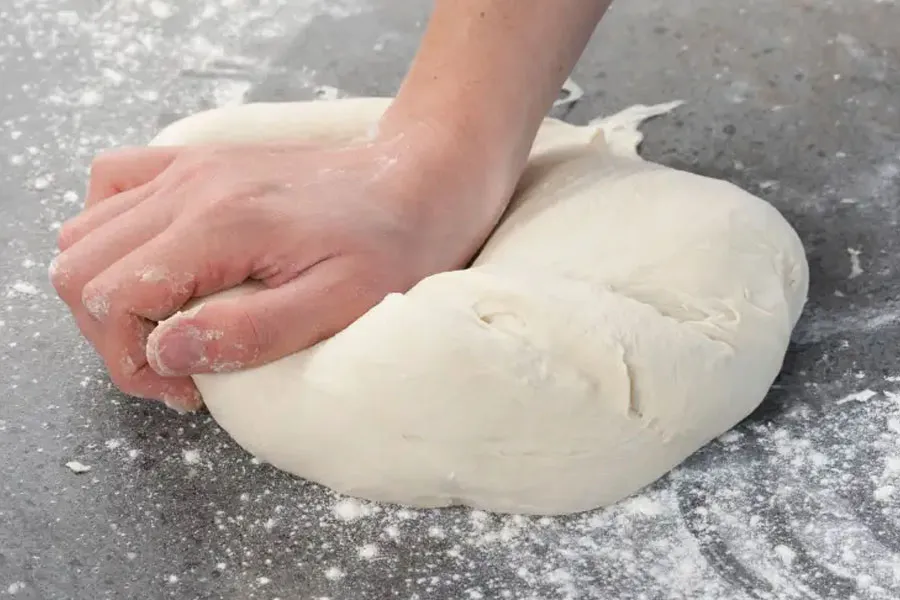
What Mistakes Make Dough Hard?
Common Mistake |
How It Harms the Dough |
Quick Fix |
Using Ice-Cold Water |
Tightens gluten network and prevents smooth absorption. |
Use lukewarm water or milk. |
Dumping Water All at Once |
Creates a sticky mess, forcing you to add excess dry flour. |
Add water gradually in small splashes. |
Skipping Resting Time |
Prevents gluten relaxation and moisture distribution. |
Rest dough under a damp cloth for 15–20 minutes. |
Omitting Oil or Ghee |
Allows surface moisture to evaporate during resting. |
Rub a few drops of oil or ghee over the kneaded ball. |
ALSO READ- Sourdough Bread vs. Regular Bread - Which Is Healthier?
How To Knead Dough The Right Way?
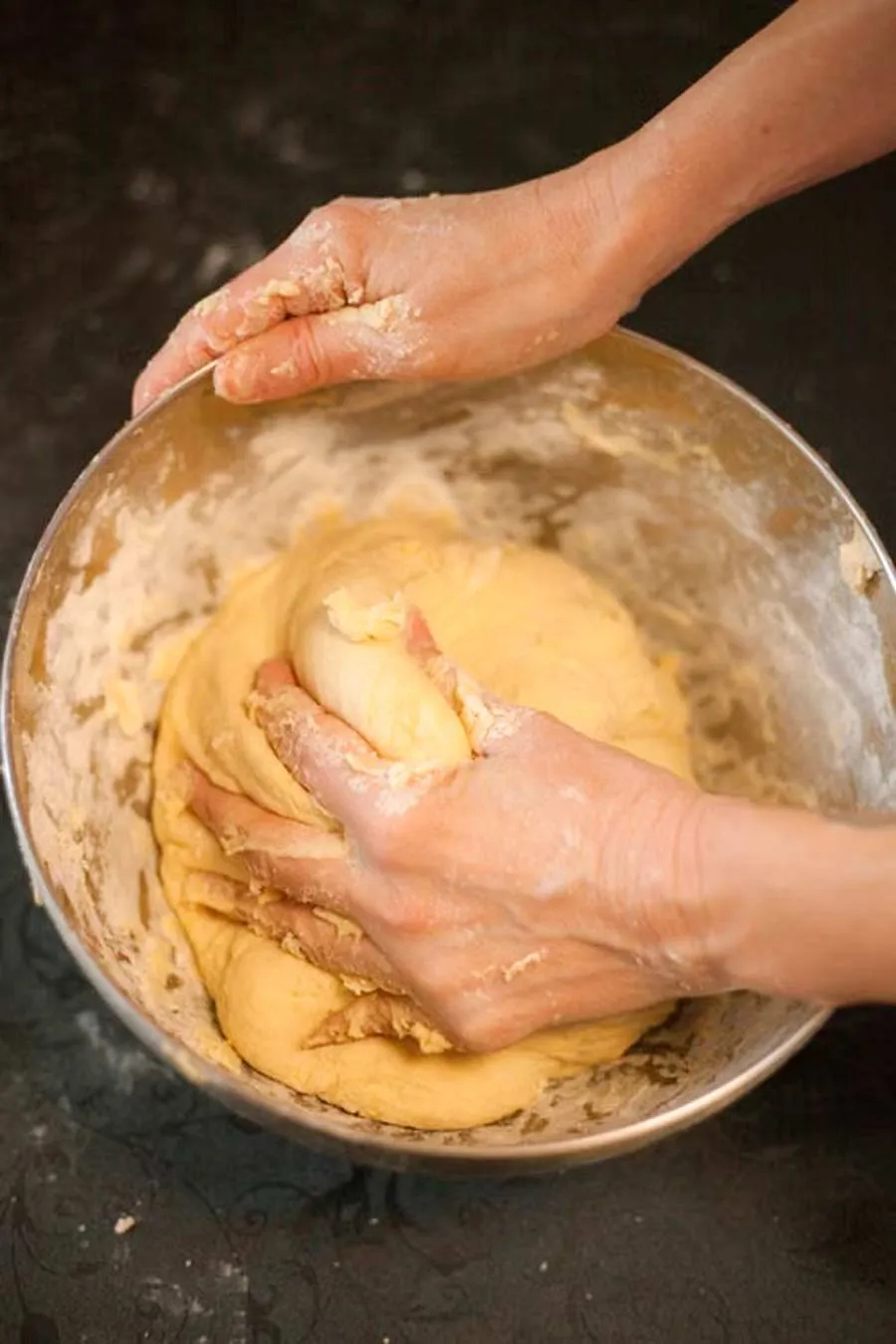
Begin by adding fresh whole wheat flour to a broad bowl (parat). Add lukewarm water to the flour in small quantities as you combine the ingredients.
Use the heel of your palms to press and stretch the dough forward, then fold it on itself. Continue doing this for 5 to 7 minutes until it is elastic and smooth.
Make a ball out of the dough, and punch it with the knuckles of your hands. If it is too firm, add a few drops of water and continue kneading until there are no more cracks on the surface of the dough.
Cover the surface of the dough ball with half a teaspoon of oil or ghee.
Cover the bowl and let it rest for 15 to 20 minutes.
Tips To Keep Dough Soft And Smooth
Half the water used during kneading can be replaced with warm milk or paneer water for very soft rotis.
For storage in the refrigerator, apply ghee on the dough and then store it in an airtight jar.
Cold dough should never be rolled out; it must be allowed to rest for 20 minutes before being rolled out.
ALSO READ- 5 Tricks To Keep Rotis And Chapatis Soft In Your Lunch box
Conclusion
Making a soft and velvety dough is just a matter of getting the hydration, temperature, and resting right. The secret of making soft and puffy rotis every day lies in pouring some lukewarm water into the dough, covering it in a thin layer of oil, and letting the gluten rest.
Image credits: Freepik
To read more such stories, stay connected to Her Zindagi.
- Q1: How can I fix dough that has already turned too hard?
- Punch small holes into the dough ball with your fingers, sprinkle a tablespoon of warm water or milk into the pockets, cover, and let it rest for 10 minutes before re-kneading.
- Q2: Why does refrigerated dough turn grey and stiff?
- Dough turns dark due to oxidation when exposed to air. To prevent this, grease the top with oil and store it in an airtight container immediately after kneading.
- Q3: How long should I rest the dough after kneading?
- Resting dough for 15 to 20 minutes allows the gluten proteins to relax and water to absorb evenly, making it easy to roll without shrinking back.
Our aim is to provide accurate, safe and expert verified information through our articles and social media handles. The remedies, advice and tips mentioned here are for general information only. Please consult your expert before trying any kind of health, beauty, life hacks or astrology related tips. For any feedback or complaint, contact us at compliant_gro@jagrannewmedia.com.