
5 Everyday Indian Habits That Are Surprisingly Sustainable Without Us Realising It

Today our social media feeds are filled with zero-waste trends, but long before that our Indian households were quietly practicing sustainable living everyday. Indian everyday habits are built on mindfulness and resourcefulness, and these age-old habits prove that green living has always been an integral part of our culture.
Here are five everyday Indian habits that are surprisingly sustainable:
1. The Stainless Steel Dabbas Over Plastic
Steel Dabbas are a staple in Indian homes, be it our school lunches or kitchen spice storage or any random dabba in the kitchen. These boxes are thousand times better than plastic containers that degrade and end up in landfills, steel dabbas are non-toxic and remain with you forever. And if something happens it is 100% recyclable.

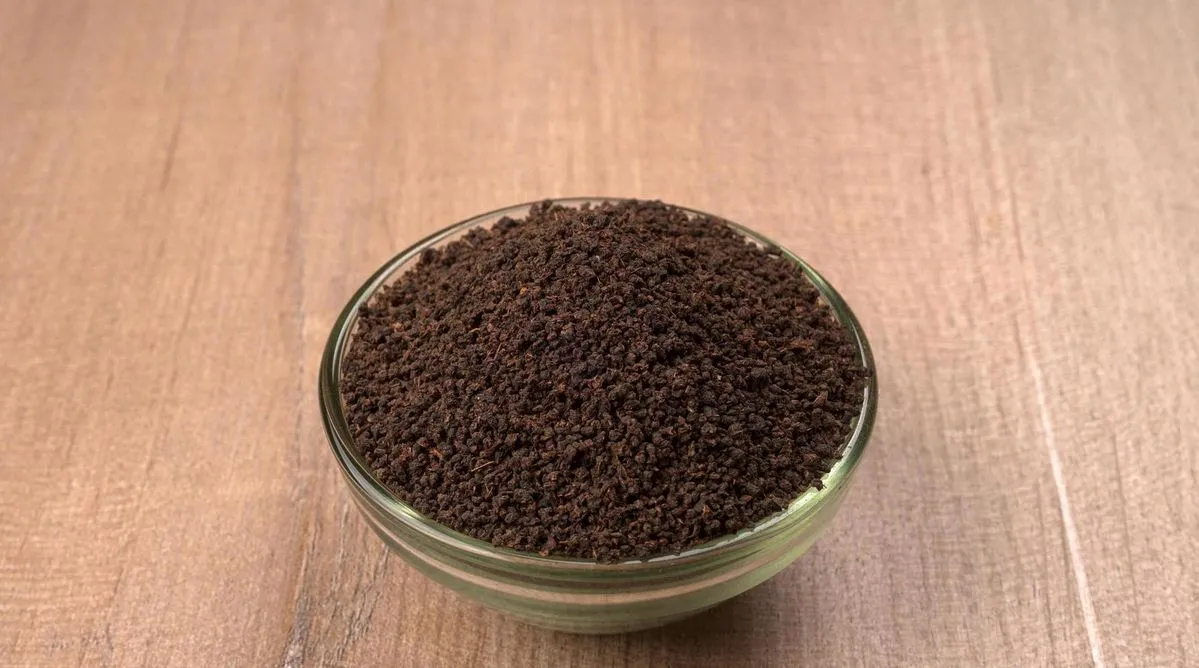
2. Loose Tea Leaves
Morning begins with chai in every Indian household. The ritual of using loose tea leaves rather than commercial tea bags is in itself a sustainable choice. Loose tea leaves are biodegradable, unlike teabags, that contain microplastics, and synthetic dyes. It is not only rich in flavour but also safer for the environment.
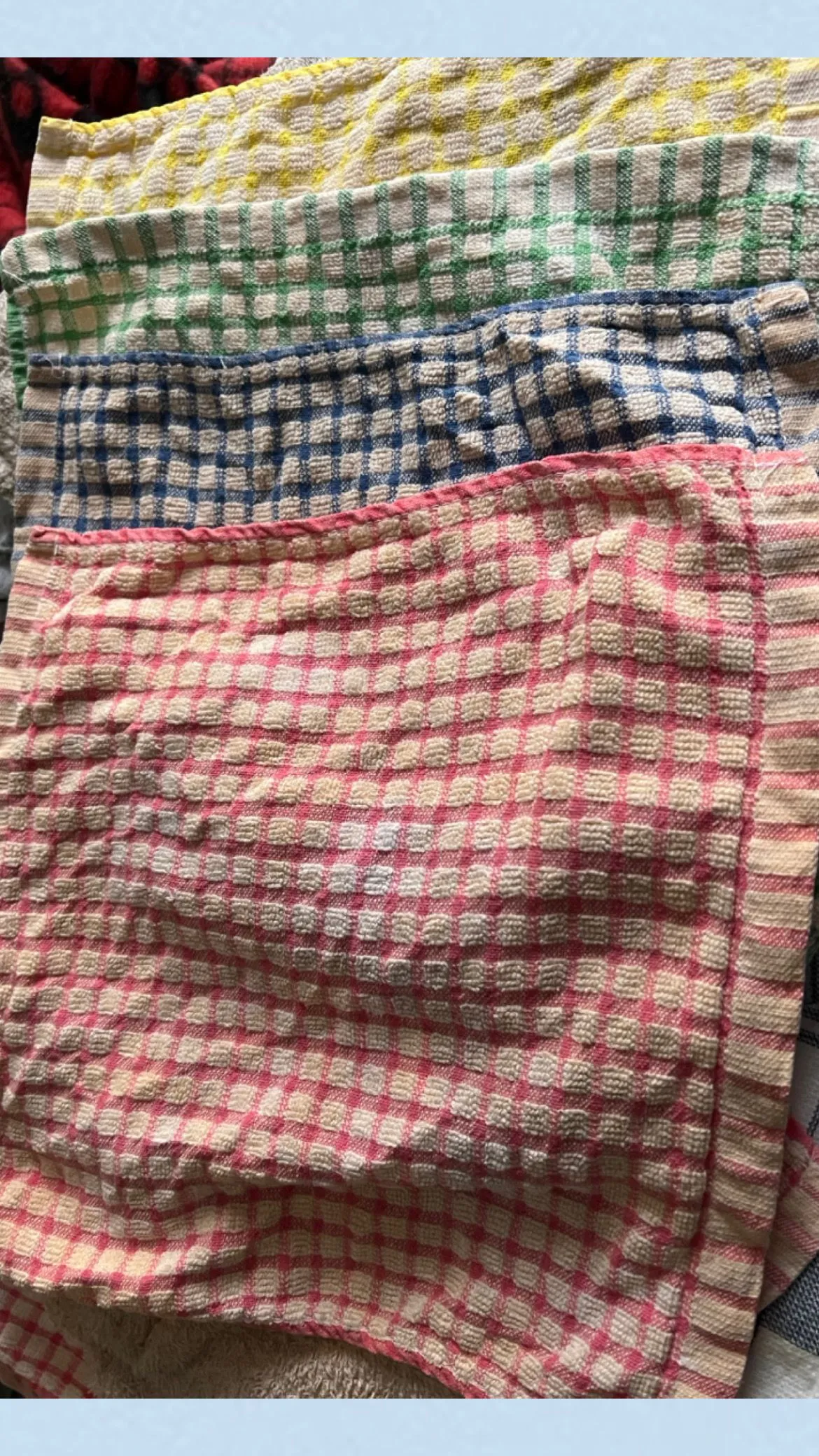
3. Repurposing Old Clothes Into Cleaning Cloths
An Indian mother can make a cleaning cloth out of every old cloth in the house. Faded old T-shirts, old sarees, soft towels, everything gets a second life in an Indian house. This practice maximises textile utility and zero waste.
ALSO READ- 5 Ancient Indian Habits That Will Make You Healthy & Transform Your Life
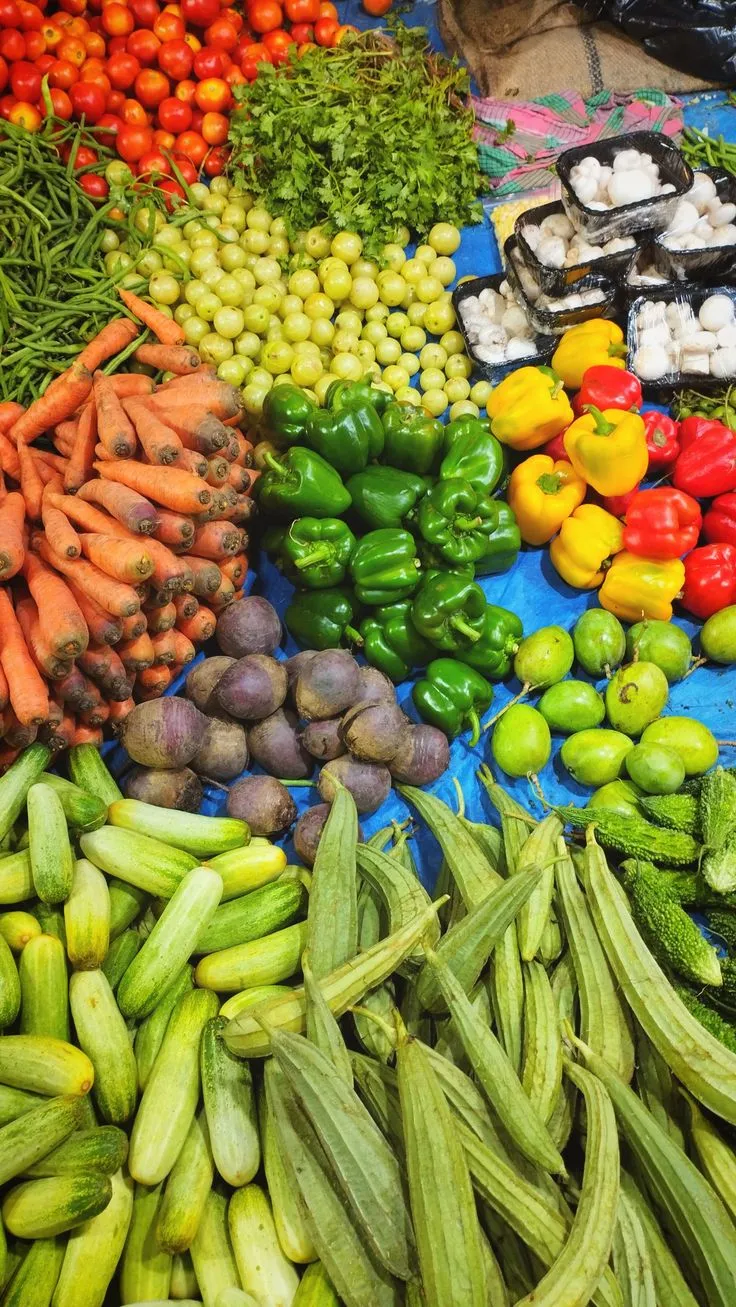
4. Trips To The Local Sabzi Mandi
Visiting the neighbourhood vegetable market is a very common habit for people in India. Buying local fresh produce from vendors reduces transportation costs, and supports agricultural livelihoods.
ALSO READ- The Art Of Decluttering: Why It Helps In Sustainability
5. The Recycling Genius- Kabariwalas
The door-to-door kabadiwala system is one of the world's most effective hyper-local recycling networks. By selling old newspapers, cardboard packaging, glass bottles, and scrap metal to local collectors, households ensure materials stay within a circular economy rather than filling up landfills.
Conclusion
Living sustainably doesn't always require purchasing expensive "eco-friendly" products. Often, it simply means returning to the conscious, zero-waste habits our families have practiced for generations.
(Image Credits: Pinterest)
To read more such stories, stay connected to Her Zindagi.
- Are these habits cost-effective?
- Yes, these traditional practices save money by reducing the need for disposable alternatives.
- Why is steel better than plastic?
- Steel is non-toxic, durable, and infinitely recyclable, unlike plastic.
- Can small changes really help the planet?
- Yes, collective daily actions significantly reduce household waste over time.
Our aim is to provide accurate, safe and expert verified information through our articles and social media handles. The remedies, advice and tips mentioned here are for general information only. Please consult your expert before trying any kind of health, beauty, life hacks or astrology related tips. For any feedback or complaint, contact us at compliant_gro@jagrannewmedia.com.