
Banswara: The City Of 100 Islands In Rajasthan That Looks Nothing Like The Desert State
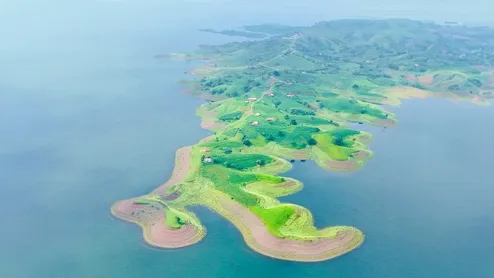
When you picture Rajasthan, sprawling deserts, colourful bazaars, grand forts and camel rides probably come to mind. But tucked away in the southern part of the state is a destination that offers a completely different side of Rajasthan.
This is Banswara, popularly known as the ‘City of 100 Islands’. With the Mahi River winding through the region, green hills, forests, lakes and numerous islands, Banswara is one of the more unusual landscapes to discover in Rajasthan. The region is also known for its Bhil heritage and rich natural surroundings.
Why Is Banswara Called The City Of 100 Islands?
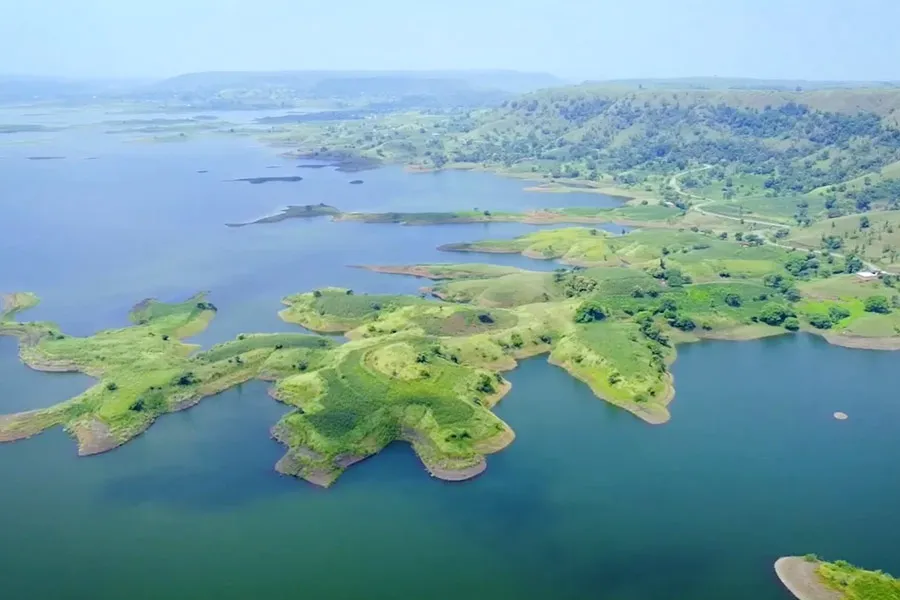
The nickname comes from the numerous islands found around the Mahi River and its reservoir landscape. The Mahi flows through Banswara, while dams and canals developed under the Mahi Bajaj Sagar Project have transformed parts of the region into a scenic network of water bodies and islands.One of the places where this landscape can be experienced is Chachakota, known for its green hills, water-filled surroundings and island-like formations. During and after the monsoon, the landscape becomes particularly lush, creating a striking contrast with the stereotypical image of Rajasthan as a dry, desert-dominated state.
Banswara Has A Strong Tribal Heritage
Banswara's identity is closely connected to the Bhil community, which has historically been an important part of the region. According to Rajasthan Tourism, Bhils constitute more than half of the population of the region.
The history of Banswara is also associated with a Bhil ruler named Bansia or Wasna. Another explanation for the city's name comes from the word bans, meaning bamboo, which once grew abundantly in the area. The princely state was later established by Jagmal Singh, who became the first Maharaval of Banswara after defeating Bansia, according to historical accounts.
Banaswara: The Green Side Of Rajasthan
Banswara's geography is another reason it stands apart from many popular Rajasthan destinations. The district features fertile plains, forests, hills and water bodies. Agriculture includes crops such as maize, wheat, rice, cotton, soybean and gram, while teak, mango, date and mahua trees add to the region's greenery. The landscape becomes especially scenic during the monsoon, when the hills and vegetation take on a vibrant green appearance. Banswara is also popularly referred to as the ‘Cherrapunji of Rajasthan’ because of its relatively high rainfall within the state.
Places To Visit In And Around Banswara
1. Mahi Dam
The Mahi Bajaj Sagar Dam is among the major attractions in the region. Built across the Mahi River, the reservoir is surrounded by hills and water bodies, with several island formations visible across the backwaters. The landscape around the dam offers a different visual experience from Rajasthan's traditional desert scenery.
View this post on Instagram
2. Chachakota
If you want to experience the landscape that gives Banswara its ‘City of 100 Islands’ identity, Chachakota is one of the places to explore.The area around the Mahi backwaters features green hills, winding roads and expansive views of water and islands, making it a popular spot for nature lovers and photographers.
3. Kagdi Pickup
Located close to Banswara, Kagdi Pickup is surrounded by gardens, fountains and water bodies. It overlooks Kagdi Lake and forms part of the Mahi Bajaj Sagar project. The area is also known for birdwatching, particularly when migratory birds arrive.
4. Tripura Sundari Temple
Around 19 kilometres from Banswara, the Tripura Sundari Temple is an important pilgrimage site in the Wagad region. The temple is dedicated to Tripura Sundari, and its principal idol is depicted with eighteen arms and seated on a lion. It attracts devotees from different parts of the region.
View this post on Instagram
5. Beneshwar Dham
Beneshwar Dham is another significant religious and cultural destination. It is located at the meeting point of the riversMahi and Som.
How To Reach Banswara
Banswara is well-connected to major cities in Rajasthan and neighbouring states. Here are the main ways to reach the district:
- By Air: The nearest domestic airport is Maharana Pratap Airport in Udaipur, located about 185 km away. From the airport, taxis and buses are readily available to reach Banswara.
- By Train: The closest major railway station is Ratlam Junction in Madhya Pradesh, situated roughly 80 km from Banswara. It is well-connected to key Indian cities like Mumbai, Delhi, and Ahmedabad. Alternatively, Udaipur Railway Station is around 160 km away.
- By Road: Banswara is accessible via a good network of national and state highways. Regular state transport and private buses operate from major nearby cities including Udaipur, Jaipur, Ahmedabad, and Ratlam.
ALSO READ- Best Long Weekend Getaways Across India For A Quick Escape From The City
Best Time To Visit Banswara
The ideal time to visit Banswara is from September to March. The monsoon and post-monsoon months (July to October) showcase the city at its greenest, with rivers and waterfalls in full flow. The winter season (November to February) brings pleasant and cool weather, making it comfortable for sightseeing and outdoor exploration.
Conclusion
Banswara stands out as a remarkable contrast to the classic desert image of Rajasthan. With its tranquil islands, verdant hills, flowing rivers, and deep cultural heritage, this hidden gem offers a refreshing alternative for travelers looking to experience a different side of the royal state.
(Image Credits:Wikipedia/Instagram)
Stay tuned for more such stories at Her Zindagi.
- Why is Banswara called the 'City of 100 Islands'?
- Banswara earned this nickname due to the high concentration of small islands formed across the Mahi River and its reservoir backwaters, particularly around the Mahi Bajaj Sagar Project.
- What is the best time to visit Banswara?
- The best time to visit Banswara is during the monsoon and winter seasons (July to March), when the landscapes are at their greenest and the weather is pleasant for sightseeing.
- Why is Banswara referred to as the 'Cherrapunji of Rajasthan'?
- It is nicknamed the 'Cherrapunji of Rajasthan' because it receives relatively higher rainfall compared to the rest of the arid state, resulting in lush forests and fertile green plains.
Our aim is to provide accurate, safe and expert verified information through our articles and social media handles. The remedies, advice and tips mentioned here are for general information only. Please consult your expert before trying any kind of health, beauty, life hacks or astrology related tips. For any feedback or complaint, contact us at compliant_gro@jagrannewmedia.com.