
Hyperpigmentation Vs Melasma: How To Choose The Right Brightening Serum For Your Skin Type
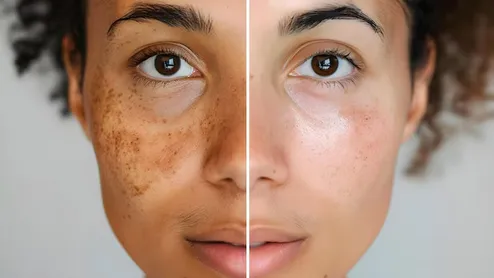
Dark spots are usually categorised as part of the common skin issues, although not all skin pigmentation issues are alike. The cause of hyperpigmentation is different from the cause of melasma, as are the symptoms and skin care requirements. Knowing the difference will help customers be better informed before purchasing a brightening serum.
Hyperpigmentation vs Melasma
Feature |
Hyperpigmentation |
Melasma |
Definition |
An umbrella term for dark spots caused by excess melanin production. |
A chronic form of hyperpigmentation. |
Primary Causes |
Acne scars, skin inflammation, physical injury, and UV sun damage. |
Hormonal changes (pregnancy, birth control) combined with UV light exposure. |
Appearance |
Localised, distinct dark spots or isolated patches (e.g., post-acne marks). |
Large, symmetrical brown or grey-brown patches. |
Common Areas |
Any area where inflammation, injury, or sun damage occurred. |
Symmetrical placement on the cheeks, forehead, nose, and upper lip. |
Skin Depth |
Typically superficial (epidermal) following skin trauma. |
Can be epidermal, dermal (deeper), or mixed. |
Treatment Response |
Fades relatively easily with targeted serums and time. |
Chronic and persistent; requires long-term management and gentle care. |
What Is Hyperpigmentation?
According to Nirmala Tiwari, NPD Head, Maliao Cosmetics, “Hyperpigmentation is a broad concept that refers to the appearance of dark spots on the skin, which appear because of increased melanin production.”
Its causes can include acne, inflammation, sun damage, hormones and slight damage to the skin. Post-inflammatory hyperpigmentation is the most common type and is caused by acne scars. The marks are usually more localised and occur around the previously inflamed parts of the skin.

ALSO READ- 5 Best Affordable Lip Glosses Worth Buying Right Now
What Is Melasma?
Melasma is a chronic type of skin pigmentation that occurs due to hormonal factors and UV light exposure. The problem usually manifests itself in the form of large symmetrical brown or grey-brown patches on the skin of the cheeks, forehead, nose, and upper lip area. Unlike post-acne spots, melasma affects larger parts of the face.
“Consumers tend to think that every dark spot can be treated the same way. But before anything else, one must understand the nature and potential cause of the pigmentation,” explains Nirmala Tiwari. “Instead of going for the most powerful brightening formula right away, consumers need to ensure proper skin barrier maintenance, along with using the right brightening ingredients and proper sun protection every day.”
How To Choose The Right Brightening Serum For Your Skin Type?
Where the selection of the skin brightening serum is concerned, there are certain ingredients like niacinamide and Vitamin C that claim to help tone the skin as long as proper usage and the right skin types are considered. However, it is vital to consider the sensitivity of the skin while choosing the right product.
Above all, sun protection should never be an option. This is because of the fact that UV rays make matters worse in terms of the problem of pigmentation. People who experience ongoing and worsening problems of pigmentation should consult dermatologists.
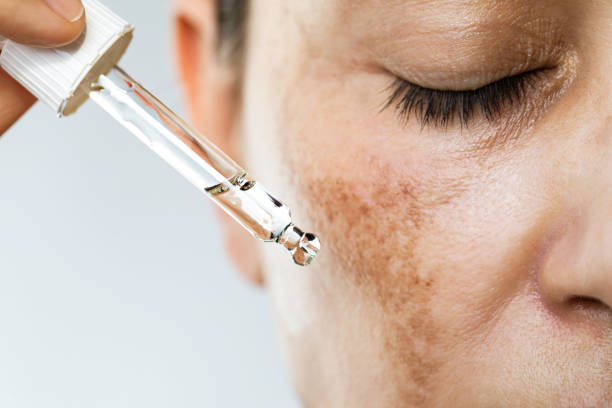
Ultimately, it is better for consumers to find out what kind of pigmentation they have before buying an efficient brightening serum.
ALSO READ- BB Cream vs Skin Tint: Which Is Better For Everyday Wear?
Image credits: Freepik
To read more such stories, stay connected to Her Zindagi.
- Q1: Can hyperpigmentation turn into melasma?
- No. While melasma is a specific type of hyperpigmentation, general hyperpigmentation will not transform into melasma.
- Q2: Which ingredient is better for my pigmentation: Niacinamide or Vitamin C?
- Vitamin C directly inhibits melanin production and is best suited for sun spots and general dullness. Niacinamide prevents melanin transfer, calms inflammation, and supports the skin barrier, making it ideal for sensitive skin, acne-prone types, and post-acne marks.
- Q3: Is sunscreen necessary if I am already using a brightening serum?
- Yes, sunscreen is non-negotiable.
Our aim is to provide accurate, safe and expert verified information through our articles and social media handles. The remedies, advice and tips mentioned here are for general information only. Please consult your expert before trying any kind of health, beauty, life hacks or astrology related tips. For any feedback or complaint, contact us at compliant_gro@jagrannewmedia.com.