
Coconut Oil vs Almond Oil: Which Heals Chapped Lips Faster?
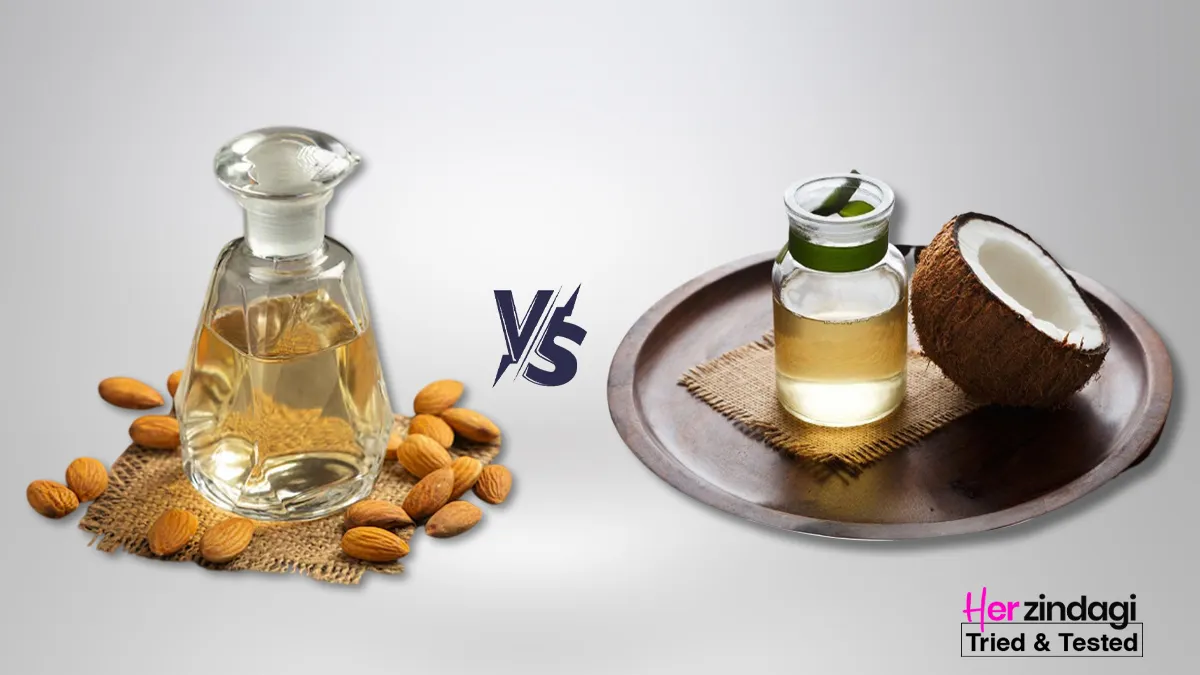
Coconut Oil vs Almond Oil: When battling the dry, painful sting of chapped lips, both coconut oil and almond oil are popular, natural remedies. While both offer excellent moisturising properties, their chemical compositions give them slightly different strengths, impacting which one might offer faster relief and deeper healing.
Coconut Oil vs Almond Oil: Which Heals Chapped Lips Faster?
Coconut Oil: The Quick-Acting Barrier
Coconut oil is primarily known for its occlusive properties. It is rich in saturated fats, particularly lauric acid, which forms a thick, protective layer on the surface of the skin.
Coconut oil acts immediately as a barrier, locking in existing moisture and protecting the raw skin from cold, wind, and dry air. This immediate physical protection often provides faster, initial relief from pain and stinging.
Its anti-inflammatory and antimicrobial properties can help prevent minor infections in cracked skin, allowing the body's natural healing process to proceed without irritation.

ALSO READ- How To Use Neem Oil In Winter To Reduce Dandruff Naturally
Almond Oil: The Deeply Nourishing Healer
Almond oil is generally lighter and slightly richer in vitamins and essential fatty acids, such as vitamin E and vitamin K.
Almond oil absorbs more readily into the skin than coconut oil. While it might not form as thick a surface barrier, its high vitamin E content works deeper to repair damaged skin cells and promote cellular regeneration. This makes it highly effective for long-term healing of deep cracks.
It penetrates the skin layers to provide deep nourishment, improving the overall elasticity and softness of the delicate lip skin over time.

The Verdict On Speed
For immediate relief and protection against the elements, coconut oil often wins due to its superior occlusive barrier function. However, for faster long-term healing of deeply chapped or cracked lips by promoting cellular repair, almond oil may prove to be the more potent healer when applied consistently.
For the fastest results, consider a blend: use coconut oil during the day for immediate protection, and apply a heavier layer of almond oil before bed for deep, overnight repair.
Almond Oil vs Coconut Oil: Chapped Lips Comparison
| Feature | Coconut Oil (The Quick-Acting Barrier) | Almond Oil (The Deeply Nourishing Healer) |
| Primary Property | Occlusive (Forms a surface barrier) | Emollient/Nourishing (Absorbs deeper) |
| Key Components | Saturated Fats, Lauric Acid | Vitamin E, Vitamin K, Essential Fatty Acids |
| Speed of Initial Relief | Faster | Slower (focuses on long-term repair) |
| Mechanism of Action | Locks in moisture, provides immediate protection against cold/wind. | Repairs damaged skin cells, promotes cellular regeneration, and improves elasticity. |
| Best For | Immediate relief from pain/stinging; Daytime protection. | Long-term healing of deep cracks; Overnight repair. |
| Healing Strength | Anti-inflammatory and antimicrobial to prevent infection in cracks. | Deep nourishment to improve overall softness and elasticity. |
Image credits: Freepik
ALSO READ- How To Oil Your Hair The Right Way In Winter For Maximum Benefits
If you liked this story, then please share it. To read more such stories, stay connected to HerZindagi.
- Q1. Which oil provides the fastest immediate relief from painful chapped lips?
- Coconut oil often provides faster, immediate relief because its thick, occlusive nature forms a quick barrier that locks in moisture and protects the raw skin from the cold and wind.
- Which oil is better for long-term healing of deep cracks?
- Almond oil is often better for long-term healing because its higher Vitamin E content absorbs deeper into the skin to repair damaged cells and promote regeneration.
- Why is coconut oil considered a better barrier against the cold?
- Coconut oil is an excellent occlusive due to its saturated fat content (especially lauric acid), which creates a thicker, more protective seal on the surface of the lips than almond oil.
- Does either oil help prevent infection in cracked lips?
- Yes, coconut oil contains anti-inflammatory and antimicrobial properties that can help prevent minor infections in cracked or compromised skin, supporting the natural healing process.
- What is the recommended way to use both oils for maximum results?
- The best approach is a blend: use coconut oil during the day for protection, and apply a heavier layer of almond oil before bed for deep, overnight repair.
Our aim is to provide accurate, safe and expert verified information through our articles and social media handles. The remedies, advice and tips mentioned here are for general information only. Please consult your expert before trying any kind of health, beauty, life hacks or astrology related tips. For any feedback or complaint, contact us at compliant_gro@jagrannewmedia.com.