
Who Is Purnima Devi Barman? The Woman Saving the Greater Adjutant Stork
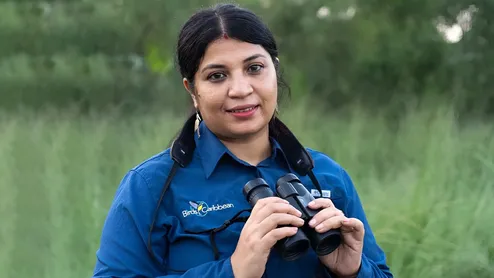
Welcome to Herstory, an homage to all those amazing women who broke glass ceilings and exceeded expectations by changing our world for the better.
The story of how one of the most endangered species on Earth was saved successfully is an incredible tale of inspiration through a community-driven project started by a remarkable woman. Dr Purnima Devi Barman changed how the people of Assam perceive this frightening creature.
Who Is Purnima Devi Barman?
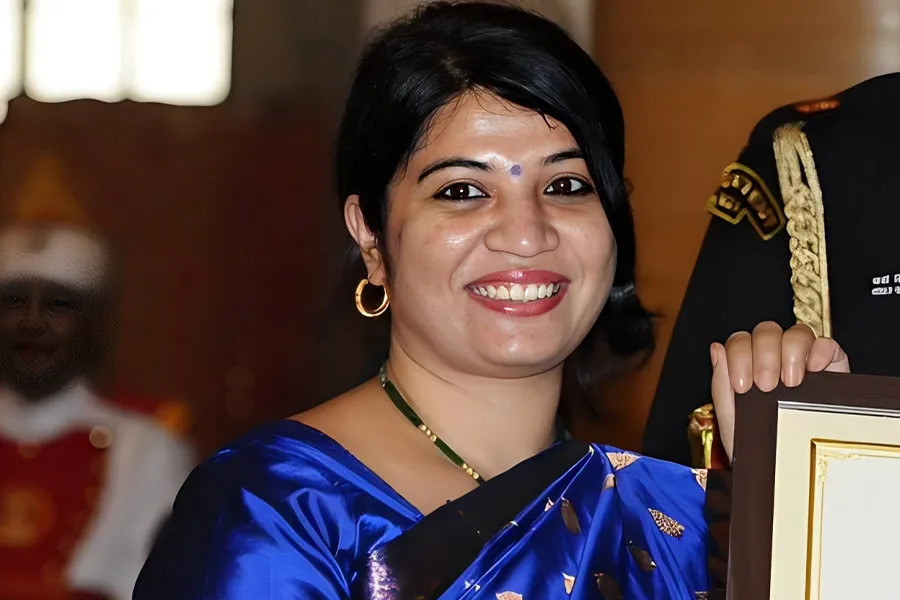
Dr Purnima Devi Barman is an eminent wildlife biologist and conservationist from Assam, India. She has been awarded all around the world, for example, the Whitley Gold Award and Champions of the Earth by UNEP, for her contributions towards bird conservation and empowerment of rural women.
What Is The Greater Adjutant Stork Or Hargila?
The Greater Adjutant Stork, or the Hargila, is a very large scavenging bird. Their numbers have fallen considerably due to habitat destruction and the felling of trees where they nest.
How Did Purnima Devi Barman Start Her Conservation Journey?
Her journey was sparked in 2007 while pursuing her PhD work, where she observed a villager chopping a tree which housed storks with baby chicks. She realised that the people considered storks as pests and considered their presence to be a sign of bad omen, and decided to take a break from academic research.
ALSO READ- Who Is Anjali Kulthe? The 26/11 Hero Nurse Who Saved 20 Mothers And Identified Kasab
What Is The Hargila Army?
In order to conserve the species, Dr Barman formed the Hargila Army, an entirely female organisation that comprises many women members from the rural self-help groups. These ‘Stork Sisters’ ensure that the nest sites are secure and help any injured chicks.
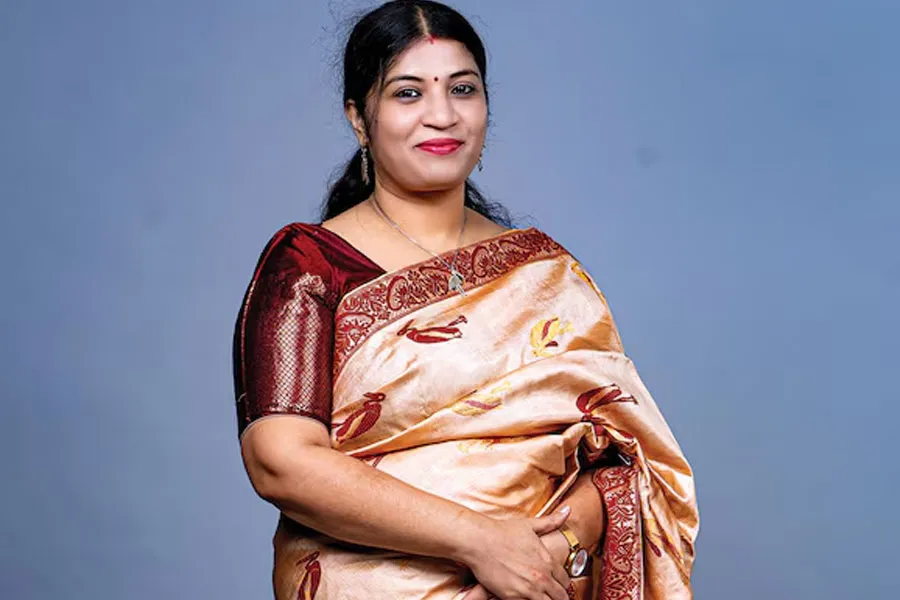
How Purnima Devi Barman Helped Protect Greater Adjutant Storks
She used the stork patterns on the traditional Assamese handloom fabrics and made bird conservation a profitable venture in that locality.
Stork conservation was looked at in the form of rituals, chick baby showers, and educational drives in schools.
Under her guidance, stork nests in important breeding villages have increased from 28 in the year 2007 to 250, four times the number of birds in that region.
Conclusion
Dr Purnima Devi Barman’s vision illustrates the manner in which incorporating ecological knowledge with cultural pride among locals could be used for saving non-charismatic species. Women's empowerment has proven to result in sustainable conservation of animals.
Image credits: Instagram
To read more such stories, stay connected to Her Zindagi.
- Q1: What awards has Dr Purnima Devi Barman won?
- She has received the Whitley Gold Award (2024), UNEP Champions of the Earth (2022), and India's Nari Shakti Puraskar (2017).
- Q2: Why were Greater Adjutant Storks disliked by local villagers?
- They were historically viewed as dirty, noisy, and disease-carrying scavengers due to their feeding habits and smelly nests.
- Q3: How many women are part of the Hargila Army?
- The movement has rallied over 10,000 rural women across Assam, with efforts underway to expand to other regions.
Our aim is to provide accurate, safe and expert verified information through our articles and social media handles. The remedies, advice and tips mentioned here are for general information only. Please consult your expert before trying any kind of health, beauty, life hacks or astrology related tips. For any feedback or complaint, contact us at compliant_gro@jagrannewmedia.com.