
When Is Pohela Boishakh 2026? Bengali New Year Date, Timings, History, Significance

Pohela Boishakh, also known as the Bengali New Year, or Noboborsho, marks the beginning of the Bengali calendar and is celebrated with great enthusiasm across West Bengal, Tripura, and Bangladesh. Observed on April 14 or 15 every year, this vibrant festival symbolises new beginnings, prosperity, and cultural pride. From traditional attire and delicious feasts to processions and music, Pohela Boishakh reflects the rich heritage and unity of Bengali culture. Read below to know the Pohela Boishakh 2026 date, timings, history, significance, and cultural traditions of the auspicious day.
Pohela Boishakh (Bengali New Year) 2026 Date
Pohela Boishakh 2026 will be celebrated on Wednesday, April 15, 2026, in West Bengal, India.
Sankranti Timing: The sun enters Aries (Mesha) on April 14, 2026, at 09:39 am.
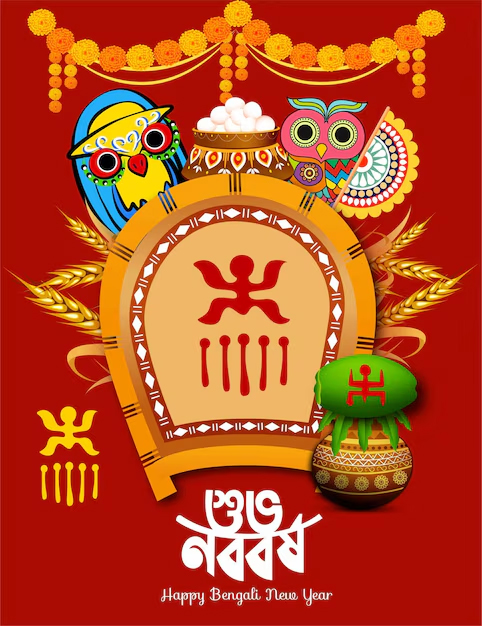
Pohela Boishakh (Bengali New Year) Cultural Traditions/Significance
Pohela Boishakh continues the vibrant legacy of Bengali culture, marked by traditional music, communal feasts, and symbolic resets for businesses. Celebrations start with thoroughly cleaning the house and decorating the floors with Alpona. People buy traditional clothes, with women wearing white saris with red borders, and men wearing dhuti-kurtas. Families also worship Goddess Lakshmi and Lord Ganesha to seek blessings for prosperity and well-being.
Business owners officially close old account books and open new ledgers wrapped in red cloth known as 'Haal Khata'. They invite customers for sweets and renew professional relationships. Families and friends gather and exchange greetings like 'Shubho Noboborsho' and enjoy traditional meals like fermented rice (Panta Bhat), Hilsa fish (Illish), Chingri Malai Curry (Prawn), Kosha Mangsho (Chicken or Mutton), followed by Rosogolla, Sandesh, Misti Doi, Nolen Gur Payesh, and more.

ALSO READ- Baisakhi 2026: Date, History, Significance, Rituals, and More
Pohela Boishakh (Bengali New Year) History
The history of Pohela Boishakh is rooted in an ancient agrarian heritage. The widely accepted historical theory for the calendar's formation is attributed to the Mughal Emperor Akbar in the 16th century. Emperor Akbar eased the financial burden on farmers by replacing the lunar Hijri calendar with a synchronised solar calendar for tax collection, recognising that shorter lunar years forced tax deadlines to fall before harvests. The emperor commissioned astronomer Amir Fathullah Shirazi to merge the Islamic lunar and Hindu solar traditions into the Tarikh-e-Elahi, which was introduced around 1584 CE.
Another historical evidence suggests that King Shashanka of ancient Bengal may have founded the Bengali Era (Bangabda) around 594 CE. While the ear began as a fiscal tool for ceremonial tax collection (Punyaho), it evolved into the modern 'Haal Khata' tradition. By the 1960s, Pohela Boishakha had transformed into a secular symbol of Bengali identity, giving rise to the Chhayanaut dawn program andthe UNESCO-recognised Mangal Shobhajatra procession.

For more such stories, follow HerZindagi!
Image Credit: Freepik
Our aim is to provide accurate, safe and expert verified information through our articles and social media handles. The remedies, advice and tips mentioned here are for general information only. Please consult your expert before trying any kind of health, beauty, life hacks or astrology related tips. For any feedback or complaint, contact us at compliant_gro@jagrannewmedia.com.